

Which kendama to buy: a buying guide by level
Which kendama to buy without getting it wrong: tama finishes (tacky, silk, gloss), balance, wood, brands (Sweets, KROM, Ozora), JKA seal and table by level.
A guide to choosing a kendama: finish-balance-wood hierarchy, tracking, brands, JKA seal, tacky maintenance and a table by level.
The most common kendama mistake is buying by the picture on the box. Two kendamas that look like twins in a photo can feel in your hand like two different games (one teaches you, the other frustrates you for weeks), and the difference is almost never in the price or the pretty design. It is in the finish of the tama, in the balance and in the wood, in that order. This guide decides which kendama to buy without you regretting it, whether you're a first-timer, an intermediate looking to level up or a collector. I'll distinguish at all times what is technical (consensus) from what is personal preference and from what is marketing, because mixing those three things is exactly what makes you buy badly.
The decision hierarchy that sums it all up
If you keep a single idea from this article, make it this chain: tama finish > balance > wood > size > aesthetics. In that exact order. The gorgeous picture on the box is the last thing, always. An ugly kendama that plays well will make you progress; a spectacular, unbalanced one won't. If you're still unclear what each piece is (tama, ken, sarado, ana), review what is a kendama first; here I take the vocabulary as known.
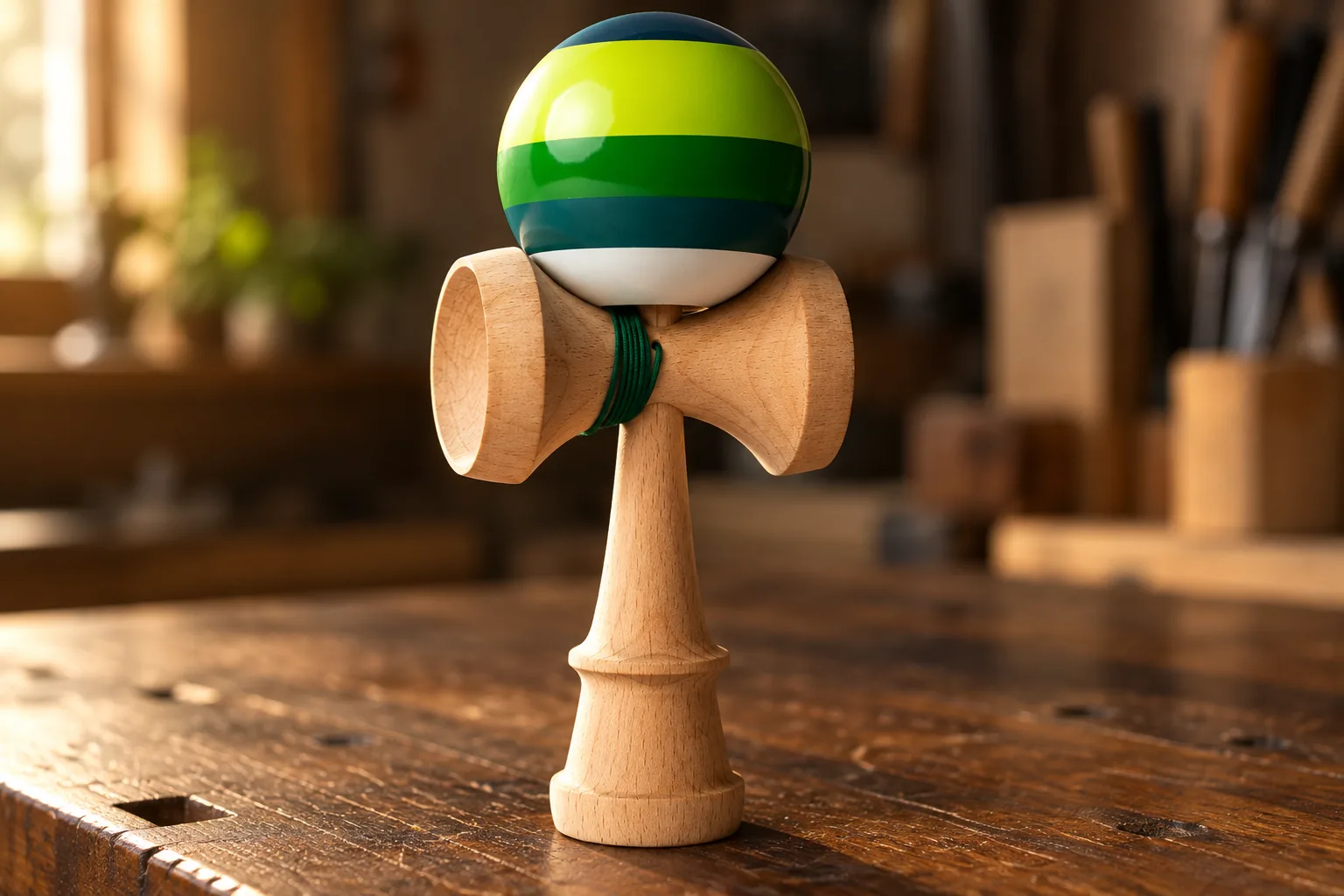
1. The finish of the tama: the first decision
The finish of the ball defines which tricks will come out with more or less suffering. This is technical, not opinion:
- Tacky / sticky: starts semi-glossy and "breaks" to sticky with use. Maximum grip: it lets you fix balances like lighthouse and lunar giving you margin to correct. A favorite of intermediates/advanced. It needs some maintenance.
- Silk / rubber: matte, silky, deceptively grippy. The sweet spot: enough grip to correct without the ken tipping over, but without the extreme stickiness of tacky. The most recommendable option to progress.
- Gloss: glossy, smooth, fast. It rewards pure precision. It was the standard until late 2011, when grippy paints displaced it; today almost nobody makes it as standard and to learn it is the worst starting point.
- Cushion clear: matte, an almost rubbery feel, very high grip. Designed to play like an "already broken-in" dama straight out of the box: it blocks balances and cushions impacts. It usually comes as a service on an existing tama.
- Natural (natty): unpainted wood. A classic, clean sensation, little grip. For purists and traditional play, not to start.
Recommendation to start: silk/rubber or a soft tacky. Those two put the learning curve in your favor without getting you used to excessive grip.
2. Tama tracking: the paint scheme is not aesthetics
The tama's pattern looks like decoration. It isn't entirely: it conditions the tracking, your ability to see the ball spin and anticipate where the hole will be. To start, look for a half-split (half/half) or 70/30 scheme with well-contrasted colors. That sharp boundary spinning tells you at a glance how the ana is coming towards the spike. A monochrome or busy-patterned tama robs you of that information exactly when you need it most. Here aesthetics and technique coincide: choose contrast.
3. Weight and balance: distribution matters most
A standard kendama weighs on the order of 140 g (the tama, about 70 g; ball diameter around 60 mm). But the absolute number matters less than the distribution: if the ball "rises straight" and lets itself be spiked, it is well balanced. JKA-certified kendamas respect official measurements and weight precisely to guarantee that balance; that's why they're mandatory in their exams. The warning sign? Very cheap bazaar novelty models: that is exactly where the balance fails, and an unbalanced dama makes you believe you're the clumsy one.
4. Wood: don't overcomplicate as a beginner
The usual is beech: hard, consistent, predictable when spiking and cheap. It is the safe option and the only one you need for a long time. Ash and other premium woods add nuances of feel, weight and sound that an advanced player appreciates, but paying for exotic wood as a beginner is spending where you won't notice the difference. This is marketing as far as your level goes: a good beech is amply enough.
5. Sizes: standard, unless you have a specific reason
- Standard: the one you should buy. The whole progression, every trick, every tutorial assumes this size.
- Jumbo: oversized. Showy and a bit easier for the first click, but it doesn't transfer fine technique. Fun, not learning.
- Mini: keychain or travel practice. Entertaining; doesn't replace the standard to learn.
6. Reference brands and what each one stands out for
Here is what each brand is known for. All these are serious brands; what changes is the fit according to your case:
- Sweets Kendamas (USA): very strong for beginners. Reliable paint and wood, a huge variety of finishes (silk, cushion) and starter models designed to be affordable. A safe bet for the first dama.
- KROM (Denmark): excellent value for money for beginner and intermediate. Its Starter model (beech, control shape) is very well regarded; note that the community agrees the Starter is better to start than the KROM Pop.
- Kendama USA (USA, since 2006): the first American brand. Hard woods, special finishes, robustness and historical prestige. A solid option when you want durability.
- Sol Kendamas: very recommended lately to start; full beech models, well balanced and economical, with a modern shape.
- Sunrise / scene brands: appreciated for play consistency between damas; more interesting when you already know what sensations you're after.
- Ozora (JKA approved): the standard of the traditional Japanese path. If you go the JKA way, grade exams or regulated competition, an Ozora with a JKA seal is the reference. It meets official measurements and weight.
7. The JKA seal: when it matters and when it's indifferent
The Japan Kendama Association seal certifies that the kendama meets official measurements and weight (nintei certified or suisho recommended seal). Be clear with yourself here: it is mandatory if you're going to sit kyu/dan grade exams or compete under JKA rules. It is indifferent for freestyle play and the whole "street" scene. If you don't compete via the Japanese path, prioritize the feel of the finish over the seal; paying the seal premium "just in case" when you'll never sit an exam is marketing working at your expense.
8. Cup and point shape: what changes between brands
Here we enter territory where marketing and technique mix, so I tread carefully. Brands give their own names to their shapes (cup and point profiles) and present them as innovations. In practice, the shape does matter, but for your specific level, not in the abstract.
- More closed and deep cups: they "catch" better. They forgive the beginner who doesn't yet cushion finely. If in doubt, this helps you start.
- More open and flat cups: they demand a cleaner catch but allow fast transitions between cups in combos. The intermediate who already has a base wants these.
- Sharper point: rewards precision, spikes with less angular margin of error. Advanced.
- Blunter point: more tolerant of the entry angle; better for learning the spike without despairing.
Conclusion: as a beginner, almost any modern shape from a serious brand works for you, since they're all refined for current play. Don't pay extra for a "signature shape" before you know what sensation you're after. That is a decision for your third kendama, not the first.
Kendamas to start and to progress
Different woods, paints and sizes, from beginner kendamas to those of the professional brands.

 Krom POP LOL Verde lima Kendama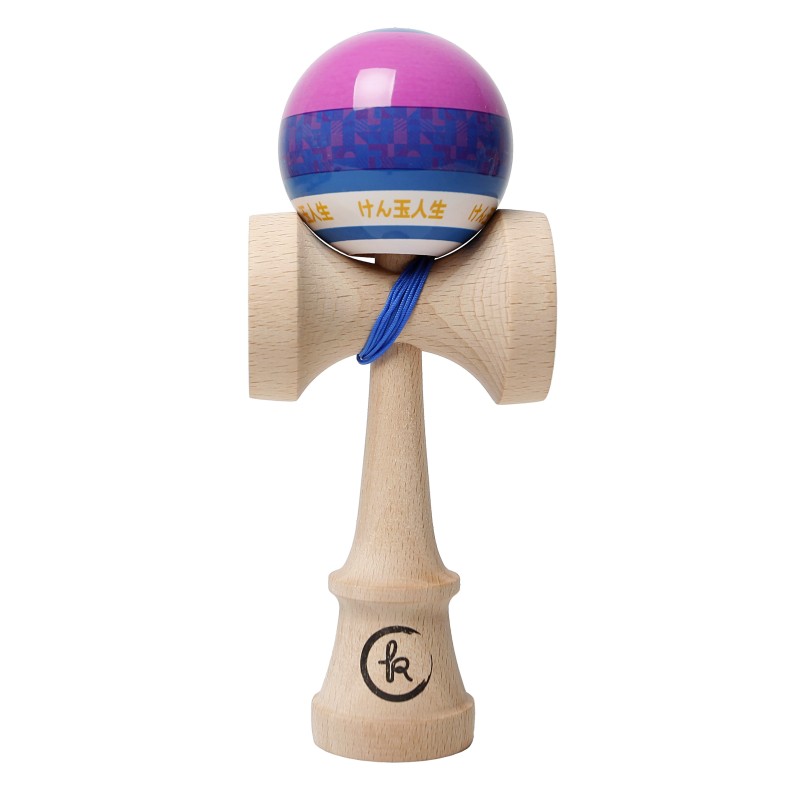
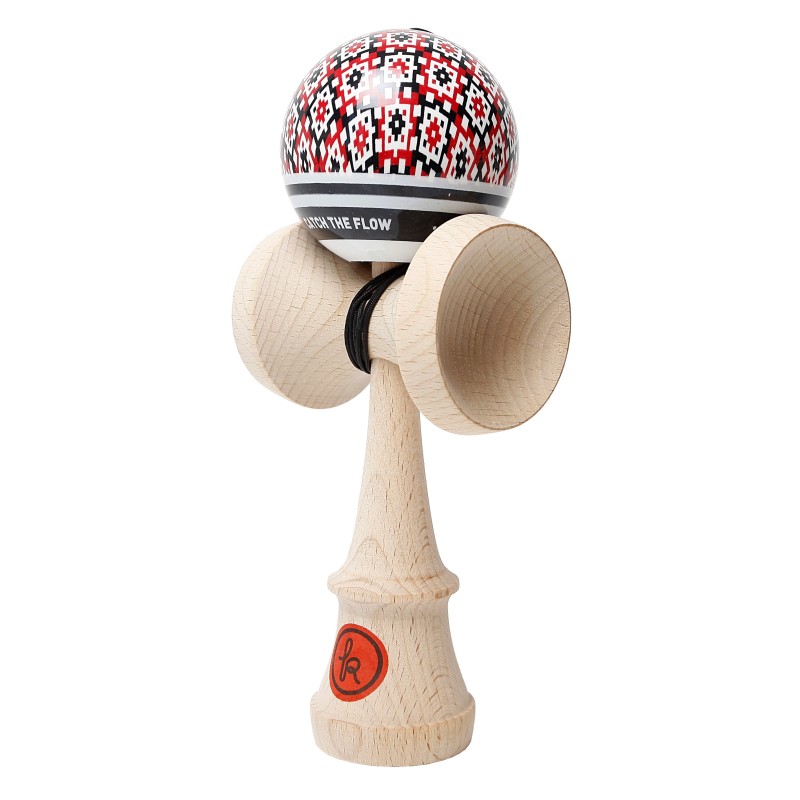
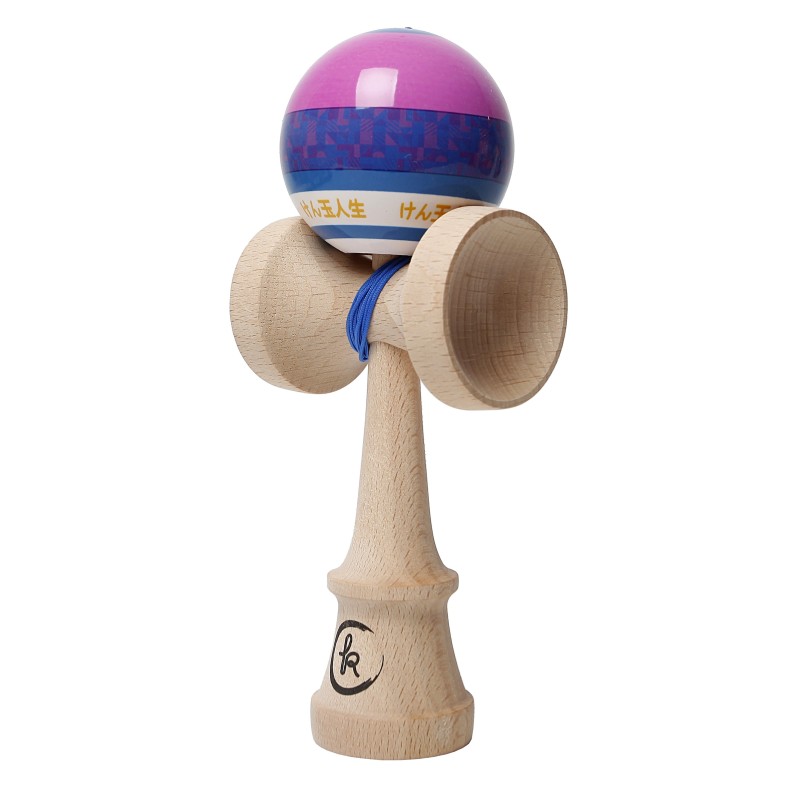 Tensei Sumaze Lidge MC Kendama Europe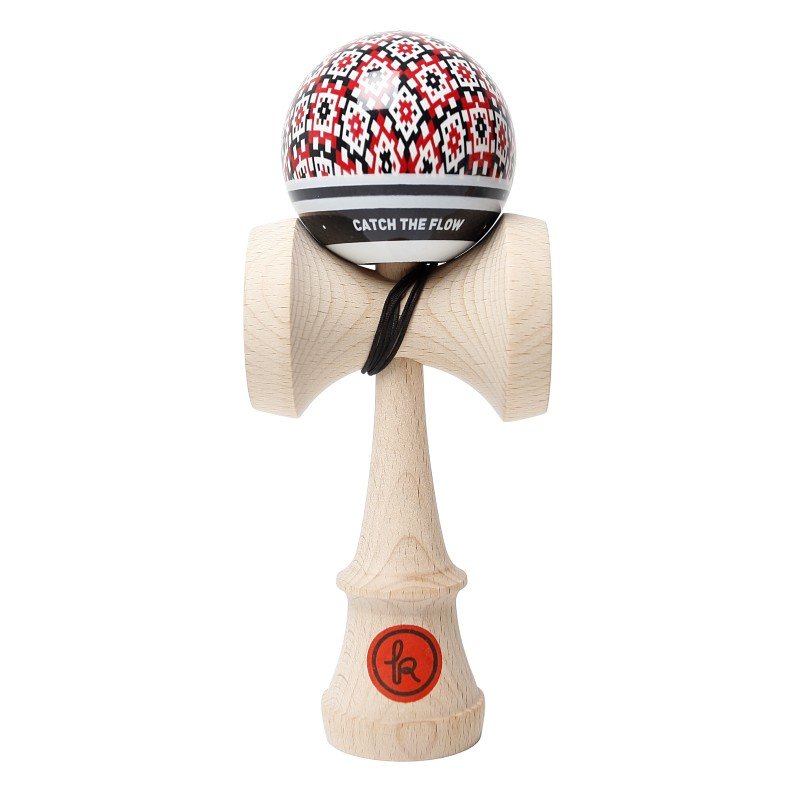
 Record + Rythm MC Kendama Europe (Aqua Series)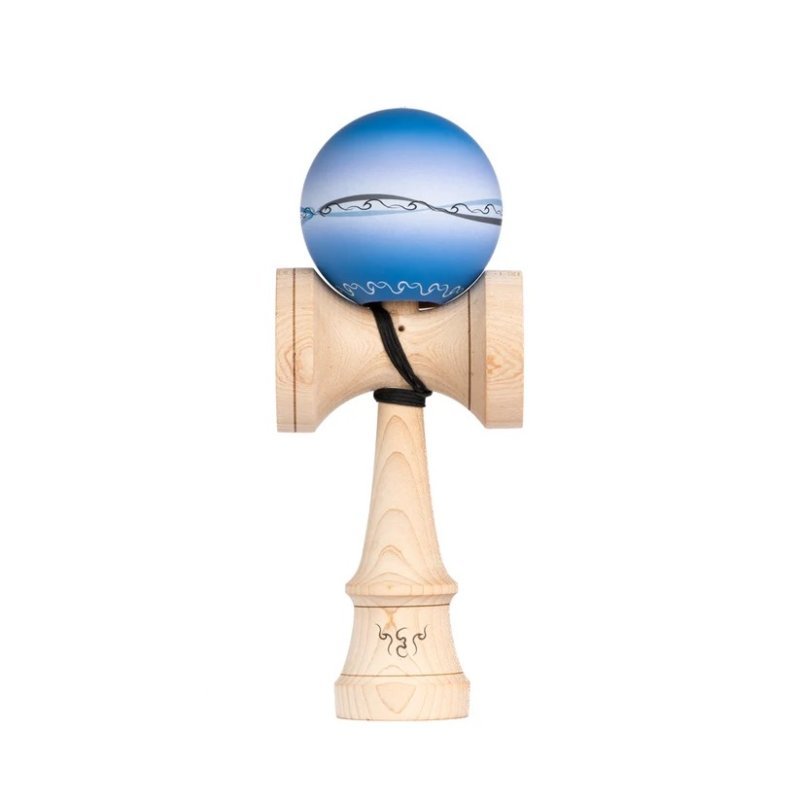
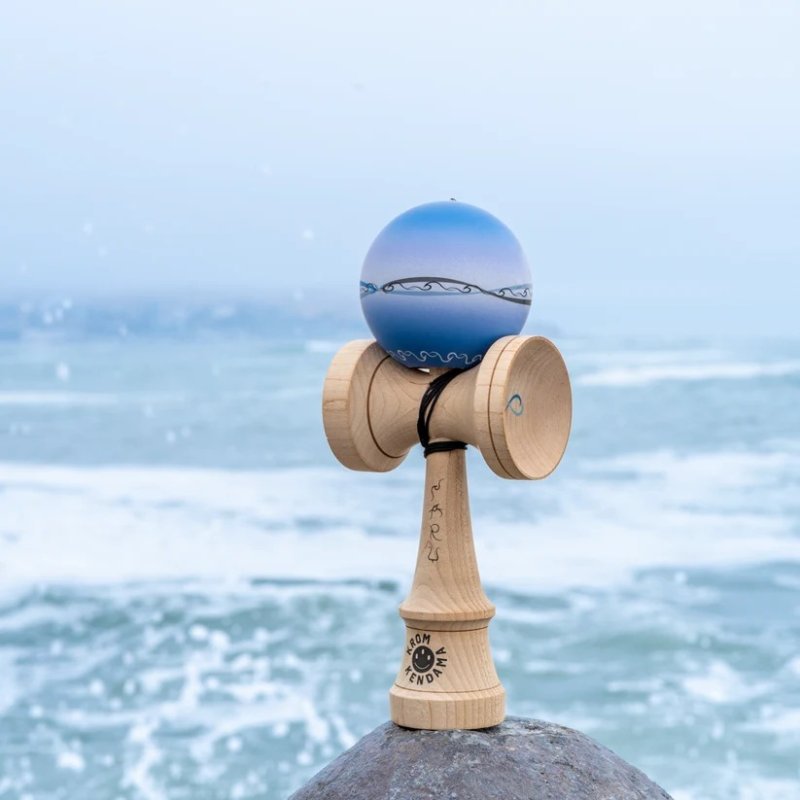 Krom Naru Mod Kendama
Quick comparison of starter brands
| Brand / model | Origin | Strong point | To bear in mind |
|---|---|---|---|
| Sweets (starter models) | USA | Variety of finishes, reliability, huge community | Wide range: check the specific finish |
| KROM Starter | Denmark | Value for money, control shape | The Starter is better than the Pop to begin |
| Sol Kendamas | USA | Full beech, very economical, well balanced | More sober aesthetics; what you want when learning |
| Kendama USA | USA (2006) | Robustness, hard woods, historical prestige | Some models aim at intermediate already |
| Ozora | Japan | JKA standard, official measurements/weight | Needed only if you go the JKA way |
None of these is a bad buy to start; the mistake is not in choosing between them, it's in choosing the wrong finish or a non-standard size within any of them.
Budget: where money pays off and where it doesn't
Now, the money question. The kendama has a surprisingly low quality floor: below a certain price (bazaar novelties) the balance fails and no technique can save it. But past that threshold (that of any starter model from the brands in the table) the price/performance curve flattens sharply. A mid-range dama doesn't spike "more" than a well-balanced entry one; it spikes the same, with better aesthetics, finer wood or a collector edition. That translates into a clear spending rule:
- Your first kendama: an entry range from a serious brand. Here money pays off the most.
- Spare strings: very little money, avoids the day you're left stranded. Very high return.
- Maintenance spray: only if you choose tacky. Medium return, necessary in that case.
- Upgrading range: only when you notice that technique limits you more than the material. Low return if premature: you're paying aesthetics, not progress.
- Collector editions: zero play return, high sentimental/collector value. Legitimate, but be clear that's what it is and not a "better kendama".
Table: which kendama to buy according to your level
| Level | What to prioritize | Recommended tama | Starting brand | Budget |
|---|---|---|---|---|
| Beginner | Balance and grip; contrasted half-split | Silk/rubber or soft tacky | Sweets, KROM Starter, Sol | Entry range |
| Intermediate | Tracking and cup shape | Tacky | Sweets, KROM, Kendama USA | Mid range |
| JKA path / competition | Official measurements and weight + seal | Per rules (JKA/WC) | Ozora (JKA seal) | Mid-high range |
| Collection | Editions and special finishes | Cushion / limited editions | Whatever you like aesthetically | Variable / high |
Look at the updated catalogue in kendamas to see which models fall in each band.
String and spares: the most common breakdown
The string (ito) frays and breaks; it measures on the order of 38-40 cm on the official one and it is the first thing you'll have to replace, guaranteed. Learn to change it (it usually fixes with a bead or knot inside the tama and an anchor in the ken) and always have spares at hand. Advice from someone who has suffered the break mid-jam: change it before it frays completely, not after. You have them in strings and accessories.
Tacky maintenance (because you're going to need it)
Tacky loses grip with dirt and sweat, or conversely, becomes too sticky. Basic maintenance:
- Reshape: with intensive use, a micro-file or very gentle sanding returns uniformity to the grip. Carefully: you can eat into the paint.
- Talc: if it's excessively sticky, a pinch of talc applied gently "calms" it without ruining the finish.
- Maintenance spray / clear: thin coats and complete drying between coats. Rushing here ruins it.
- Cushion service: several brands recondition your tama with cushion clear as a service. Useful to revive a favorite dama without throwing it away.
Online vs physical shop
In a physical shop you can feel the balance and the grip in your hand before paying, which is valuable if you're torn between finishes. Online you have an infinitely wider catalogue of brands and editions, plus reviews and community videos that help you decide. Recommendation: for the first kendama the risk of getting it wrong online is very low if you respect the finish-balance-wood hierarchy and choose a well-regarded starter model from a reference brand. For the second or third, when you already know what sensations you're chasing, the online catalogue opens doors no local physical shop will give you.
How many kendamas you need: one
One. The most expensive mistake of the novice enthusiast is not buying badly: it is buying a lot, believing that material unlocks tricks. It doesn't. Tricks are unlocked by repetition on a known weight, balance and grip (muscle memory), and constantly changing dama sabotages it at the root. A second kendama makes sense as a spare or to try a different finish when you already master the first, not before. Limited budget: everything to one good balanced model and to spare strings. Zero to variety.
Customization: tama swap and mods, but later
The tama swap (combining the ken of one model with the tama of another for your ideal mix of shape and finish) is a common and legitimate practice. There are also home mods (cup sanding, point reconditioning). Simple rule: first master the stock material; customize later, when you know exactly what you want to change and why. A badly done mod on a starter dama ruins it, and you won't learn faster for it.
Durability: why it's a good buy
A good, well-cared-for beech lasts years. The wear parts are the string (a cheap consumable) and, in part, the tama finish (recoverable with maintenance or a cushion service). Versus an electronic toy that becomes obsolete, a quality kendama accompanies your whole progression. Keep it dry, don't beat it against hard surfaces unnecessarily and change the string in time: with that you get years out of it.
Typical mistakes when buying the first kendama
- Buying by the picture and not by the tama finish.
- Choosing jumbo or mini "because it's cool" when you wanted to learn real technique. Standard.
- Obsessing over exotic woods as a beginner. A good beech is enough.
- Paying the JKA seal "just in case" with no real intention to compete via that path.
- Not buying spare strings: you're stuck at the first break.
- Starting with a slippery gloss and getting frustrated. To learn, grip.
- Buying three kendamas at once. Buy one, master it, then we'll talk.
How to test a new kendama in the first five minutes
The dama arrives. Before throwing yourself at the lunar, do this quick check. It tells you whether you have a good unit or a faulty one, and saves you weeks blaming yourself for a factory defect:
- String: check the knot inside the tama and the anchor in the ken. No strange slack or thread already peeled from the start. If it comes long, many people trim it to navel height with the ken on the floor; it's preference, but shorten it if it bothers you.
- Slow spike, no force: ten gentle spikes looking only at the ana. If the ball goes in "on its own" and stays, the balance is good. If it always fights to the same side, suspect the piece, not yourself.
- Seating in cups: catch in the three cups without abruptness. The ball should settle without jumping. A seat that systematically "spits out" the ball indicates a badly profiled cup or an off-center tama.
- Tama spin: spin the tama hanging and watch how it turns. It should spin clean and legible; a strange wobble complicates all the subsequent tracking.
- Point-hole fit: the point should enter the ana with minimal play but without grabbing. Too tight frustrates; too loose doesn't "fix".
If any of this fails clearly and repeatedly on a freshly bought dama from a serious brand, don't resign yourself: it is a defect, not a lack of skill. Knowing how to tell one from the other is, in itself, part of buying well.
Gifting a kendama: the short guide to getting it right
Many people buy their first kendama because they're going to gift it, not play it, and that's where mistakes spike because it's chosen by the photo. Minimum rules so the gift doesn't end up in a drawer:
- An adult or teenager who really wants to learn: standard, beech, silk or soft tacky tama, contrasted half-split. A brand from the starter table. Almost guaranteed success.
- A small child (6-9 years): a light standard or a mini works for immediate fun; the jumbo goes in easily and motivates, even if it doesn't teach fine technique. Prioritize that it hooks, they'll refine it later.
- Someone who already plays: here don't improvise. Either you gift a finish/edition you know they like, or you gift consumables (a good pack of strings never fails) or a gift card so they choose. Gifting a player a random dama is almost always a miss.
- A "pretty" decorative gift: legitimate, but be honest with yourself: then buy by aesthetics without pretending it's also the best to learn with. They are different goals.
The five-step decision process
- Define level and goal: casual fun, serious progression, JKA path, collection? This filters half the shop.
- Choose the finish: silk/rubber or soft tacky to learn; gloss only if you want fast, precise play.
- Confirm standard and beech: unless there's a specific reason, the safe combination.
- Starting brand: Sweets, KROM Starter or Sol to begin; Ozora/JKA if you go the traditional way; Kendama USA if you want robustness.
- Consumables: spare strings without fail; maintenance spray if you choose tacky.
Frequently asked questions
What is the best kendama to start?
A balanced one, standard size, beech and a silk/rubber or soft tacky tama with a contrasted half-split scheme. Sweets, KROM Starter or Sol have very solid and affordable starter models.
Tacky or gloss for a beginner?
Tacky or silk, no doubt. Gloss is slippery and jams the first balances; grip greatly accelerates learning. Gloss was the standard over a decade ago, but today it is not a starting point.
Do I need a JKA seal?
Only if you're going to grade exams or to compete under JKA rules. For freestyle play and the street scene it is indifferent: prioritize finish and balance, don't pay the seal out of inertia.
How often is the string changed?
As soon as you see it frayed, and better before. The break mid-session is the most common breakdown; always have spares.
Is a competition one worth it from the start?
No. Start with a balanced entry-range one. When you notice technique limits you more than the material, level up. Before that, it's money spent on something you don't take advantage of.
Jumbo or mini to gift a child?
For immediate fun the jumbo goes in easily; to learn, standard. The mini is more keychain or travel than a learning tool.
With this you now know which kendama to buy without falling into the expensive mistakes. Review the basics in what is a kendama, choose yours in kendamas, get strings and accessories as spares and, if the bug bites you, explore other skill games. The final, low-commitment advice: don't overthink it, buy a decent starter model from a serious brand and give it a real week. That is the only thing that separates the one who quits from the one who gets hooked.
Browse our kendama collection
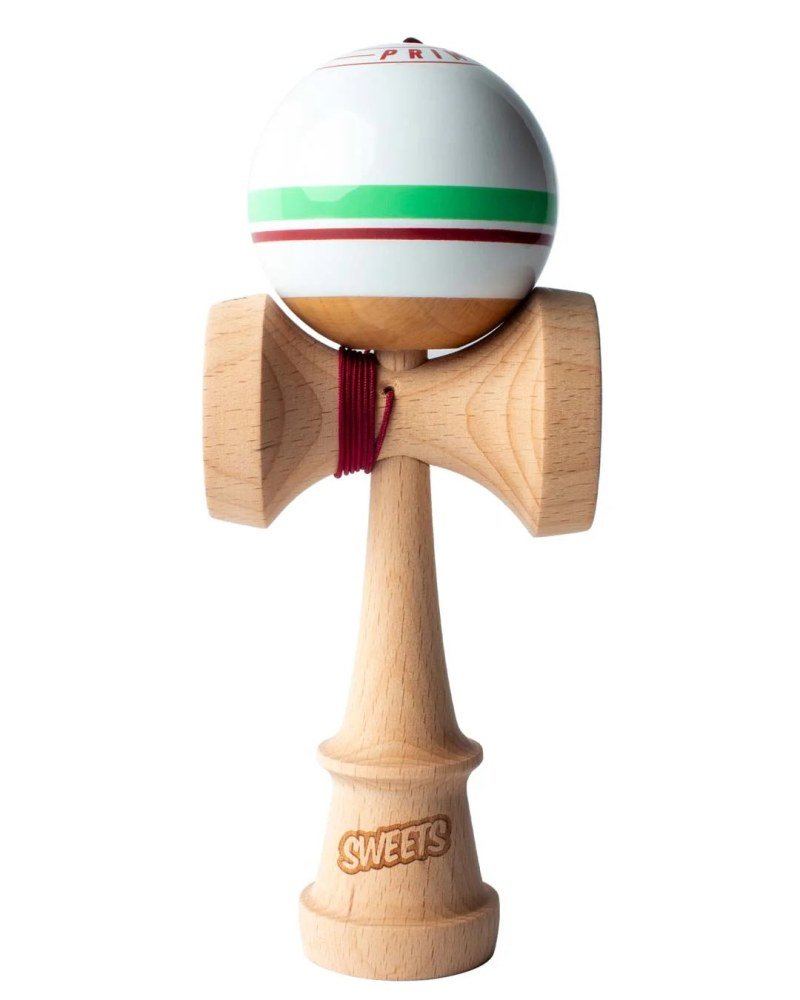
PRIME SPORT STRIPE - AVALANCHE
€23.10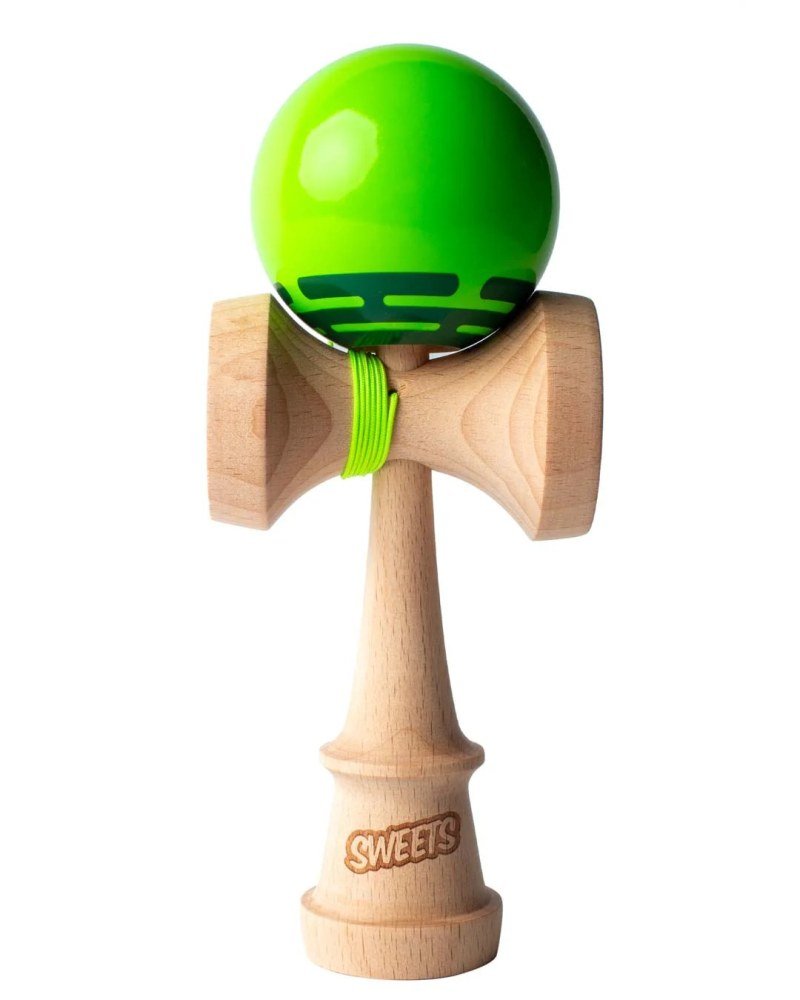
PRIME RADAR - GREEN
€23.10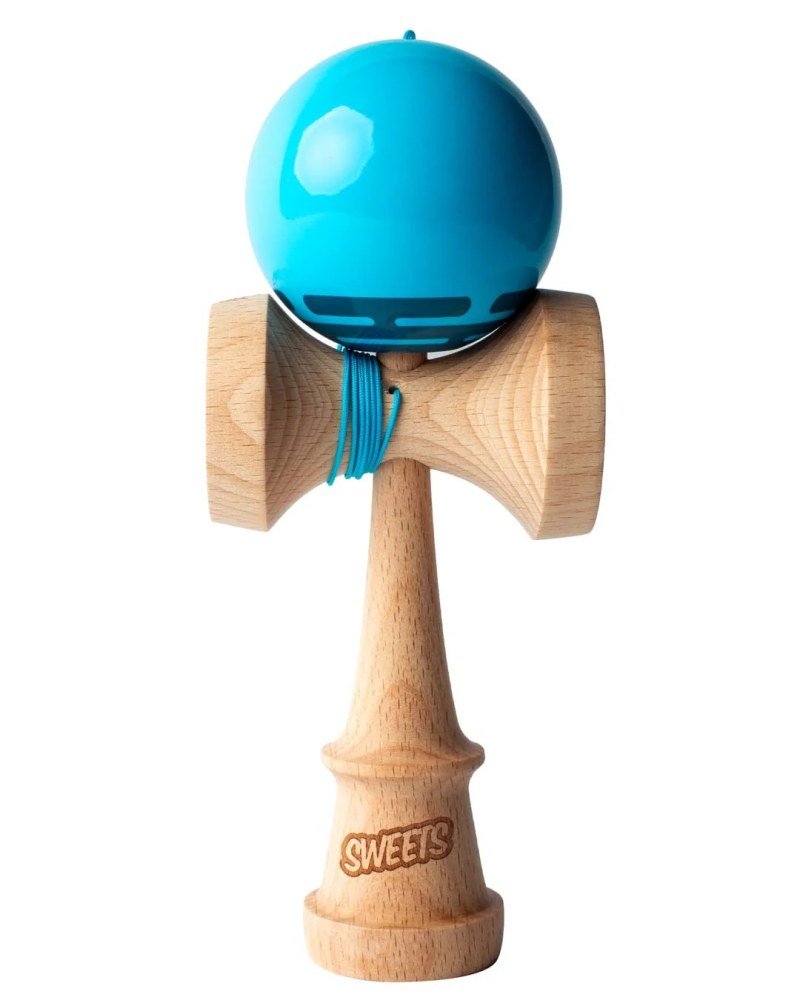
PRIME RADAR - BLUE
€23.10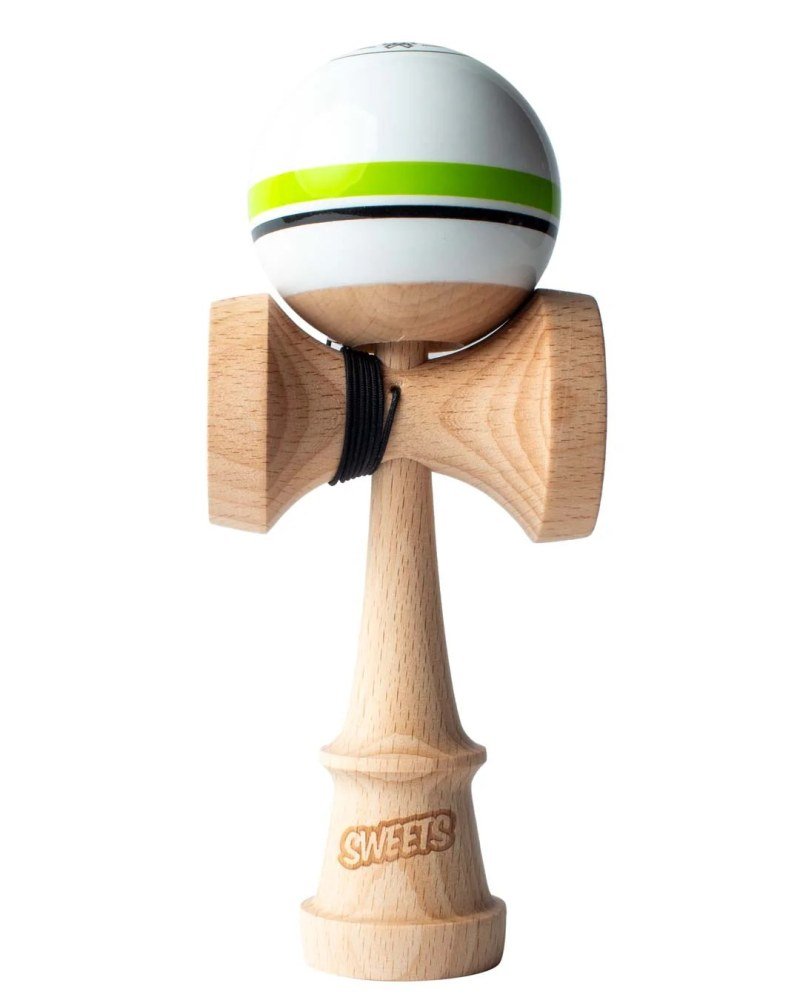
PRIME SPORT STRIPE - HOME TEAM
€23.10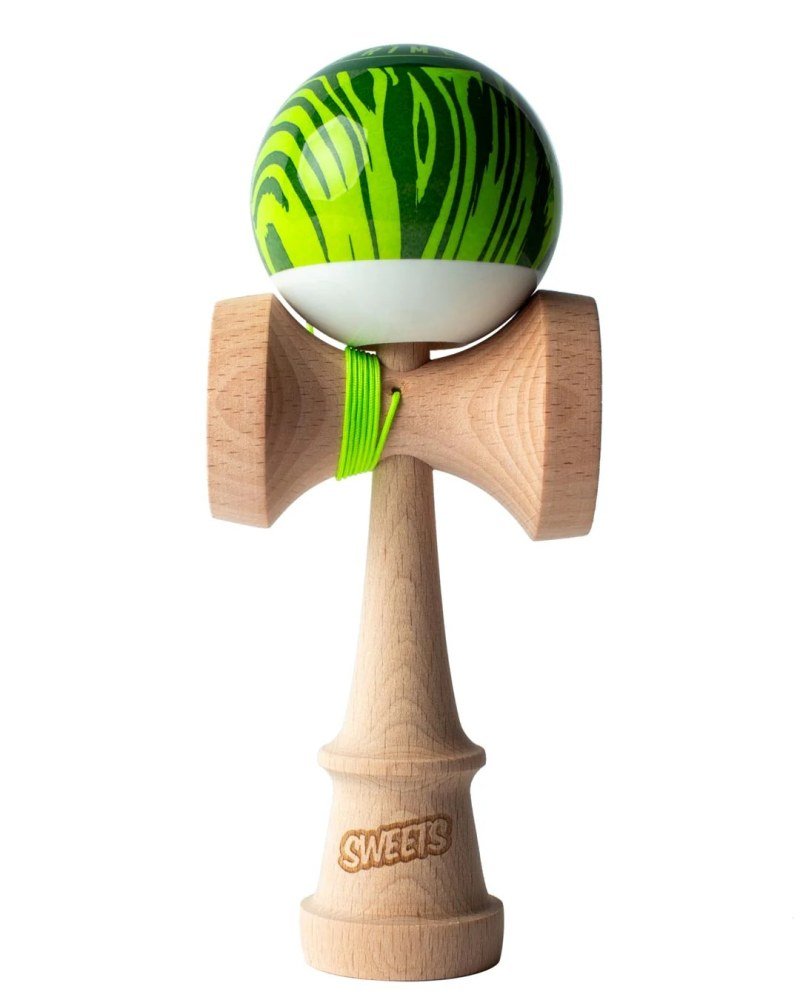
PRIME GRAIN SPLIT 2.0 - VEGGIE
€23.10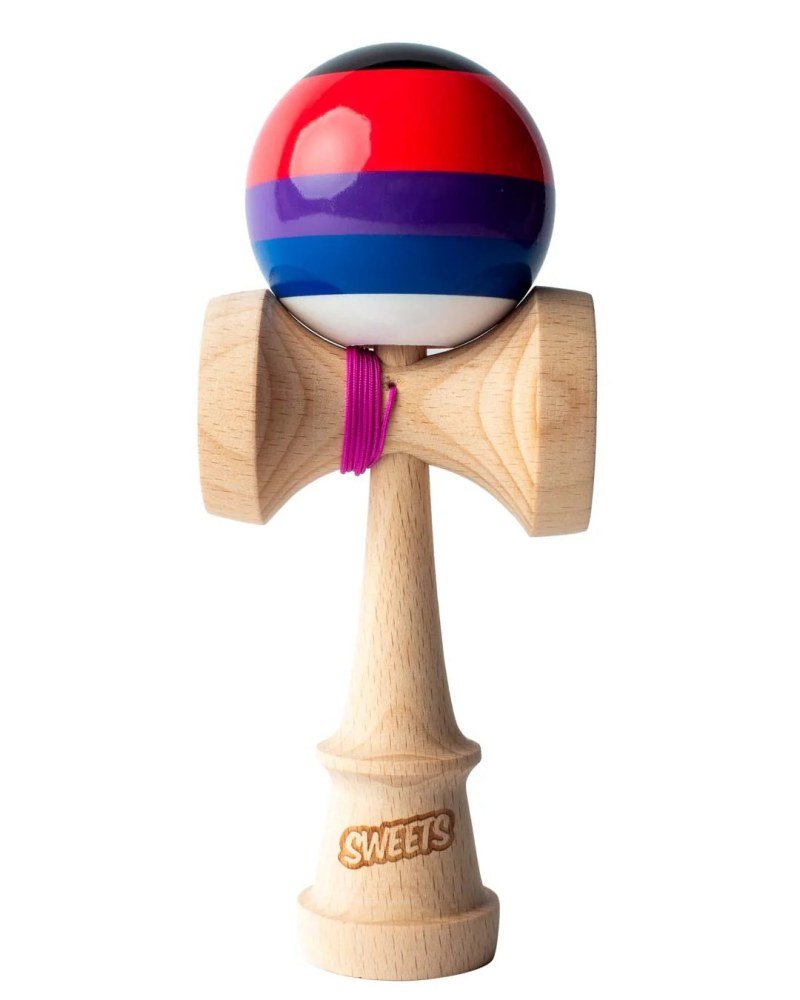
PRIME 5 STRIPE - SLUSHY
€23.10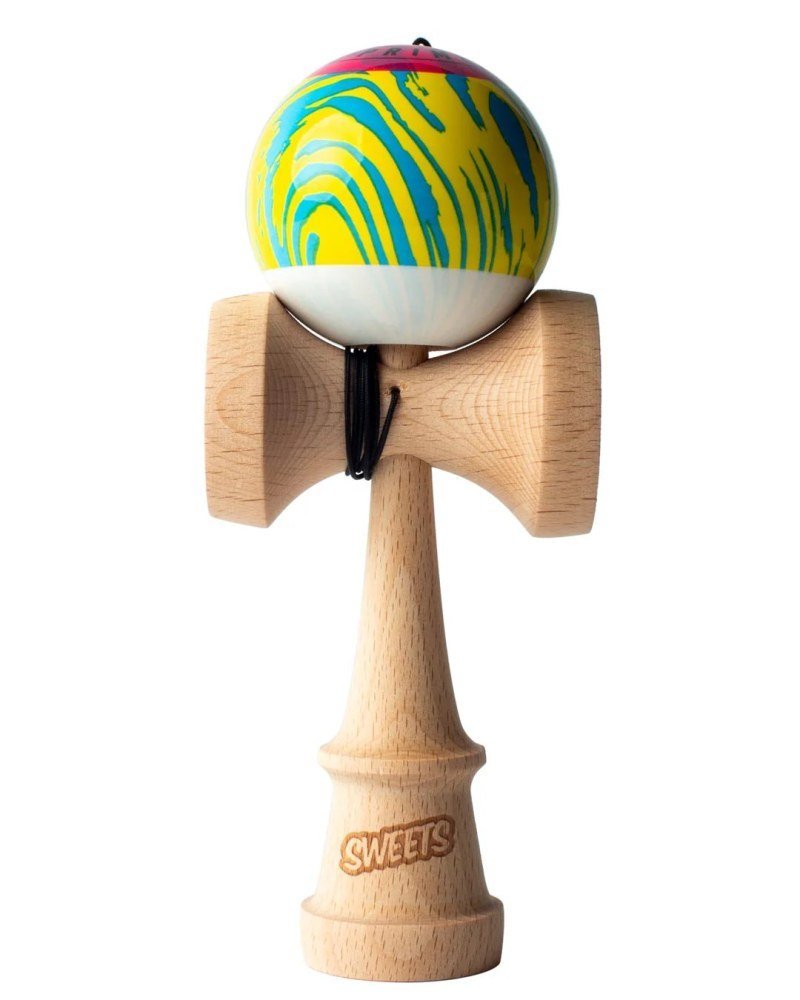
PRIME GRAIN SPLIT 2.0 - CMYK
€23.10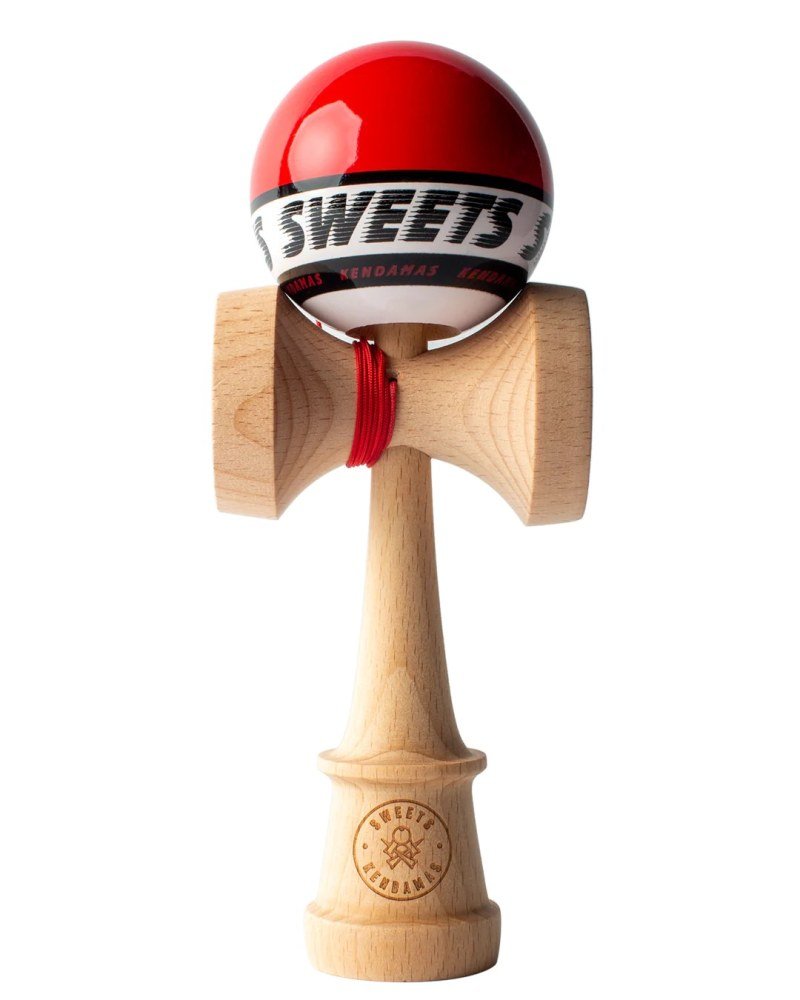
PRIME RADAR - RED
€23.10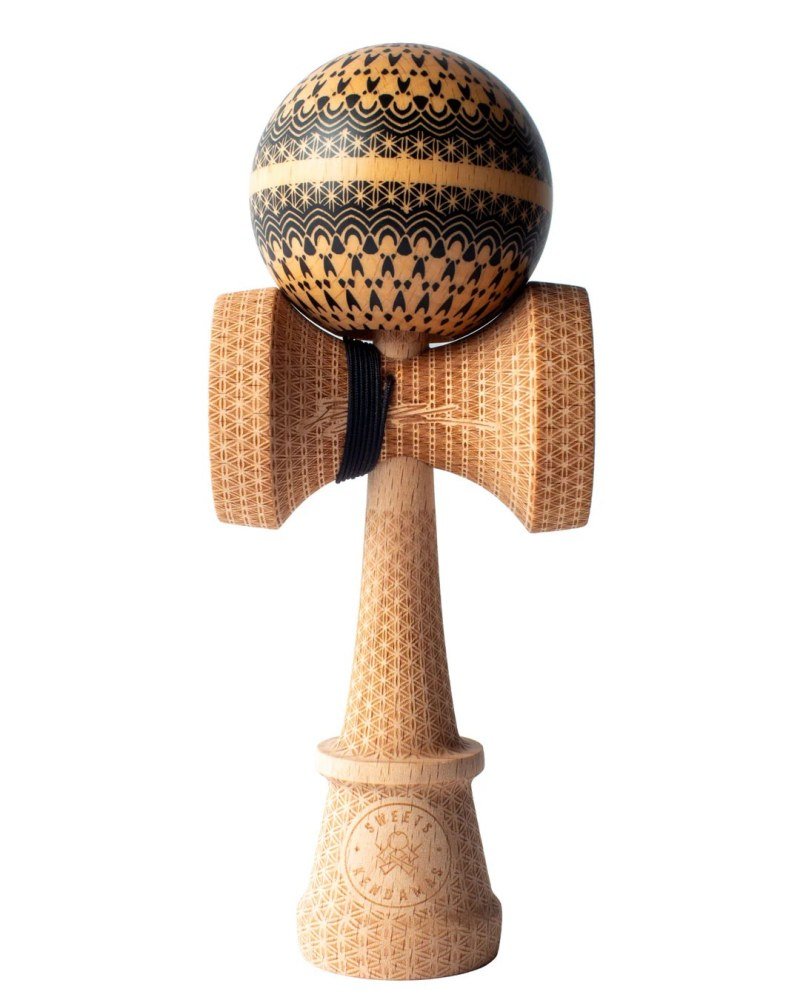
BOO JOHNSON - SACRED - LEGEND SHAPE - ANTISKID 2.0
€40.45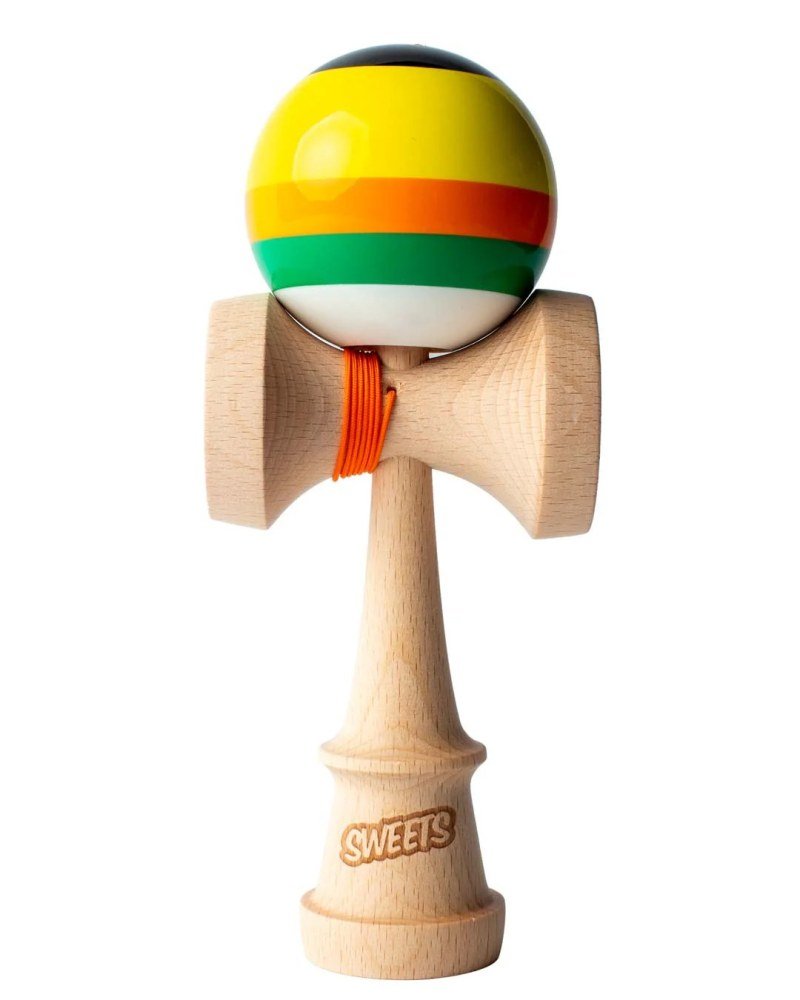
PRIME 5 STRIPE - PONCHO
€23.10Buy Kendama Online

Tensei Kiseki Akari GG — Kendama Europe

Tensei Kiseki Akatsuki GG — Kendama Europe
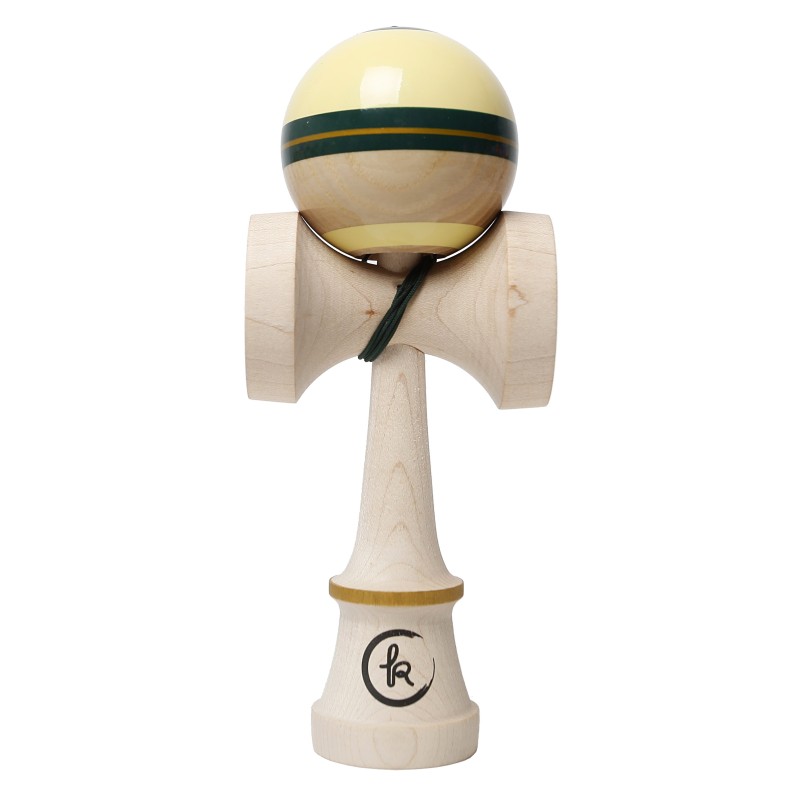
Tensei Kiseki Akatsuki MC — Kendama Europe
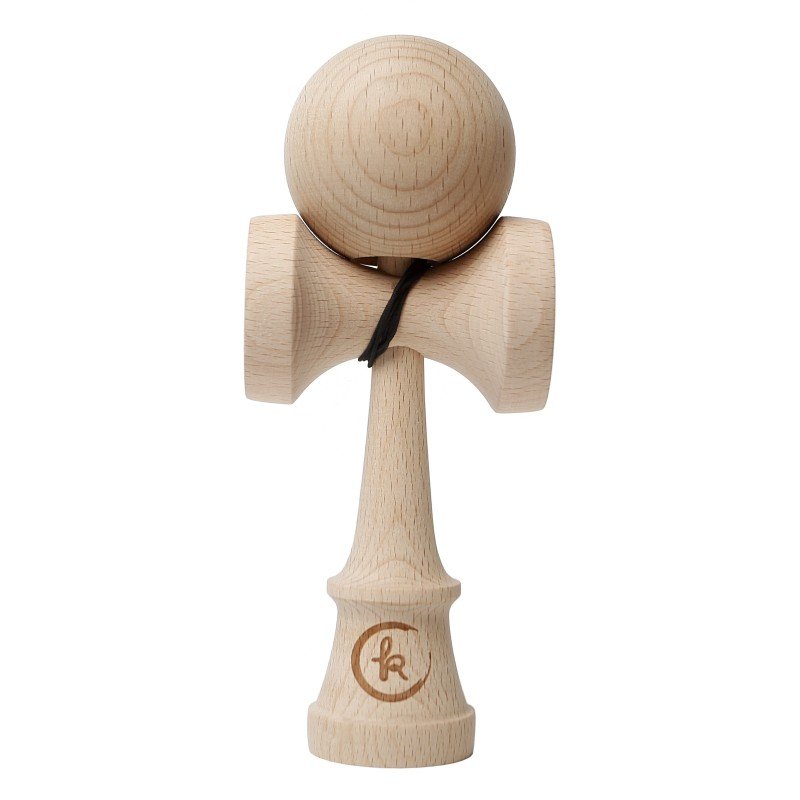
Tensei beech natural — Kendama Europe
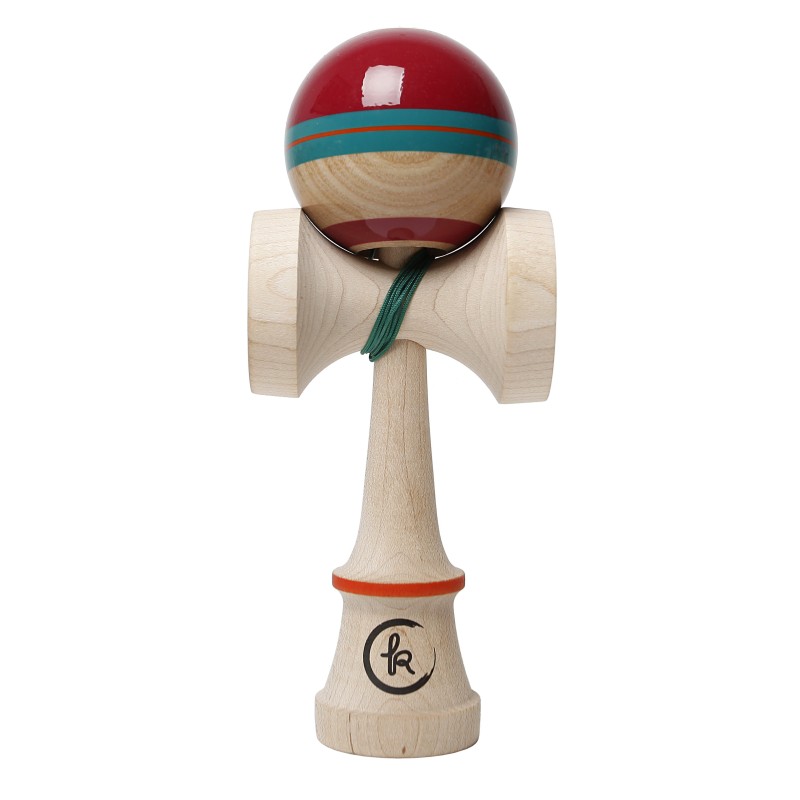
Tensei Kiseki Tsuchi MC — Kendama Europe
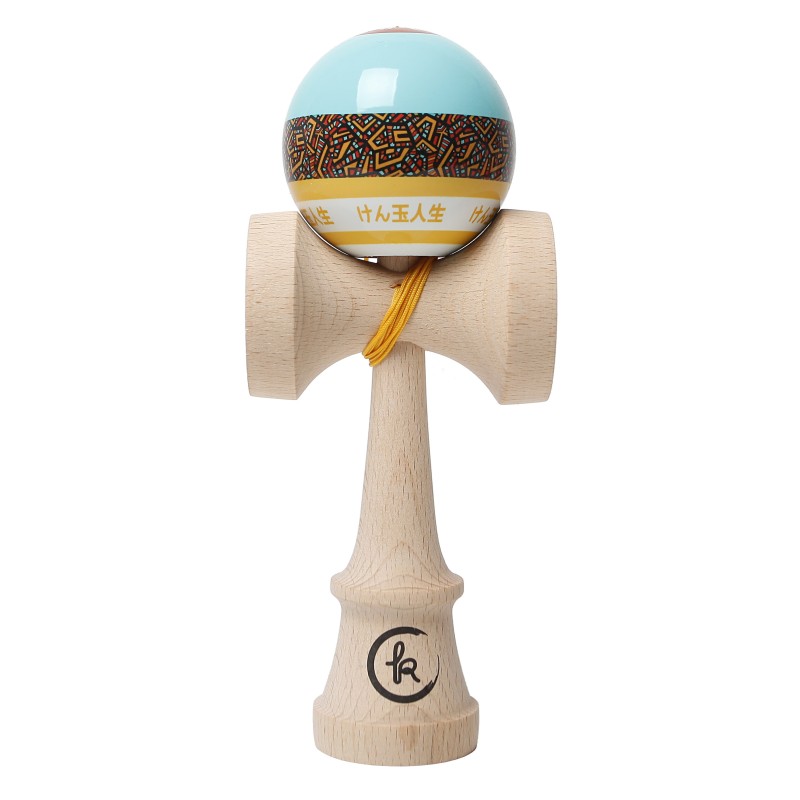
Tensei Sumaze Mazura MC — Kendama Europe
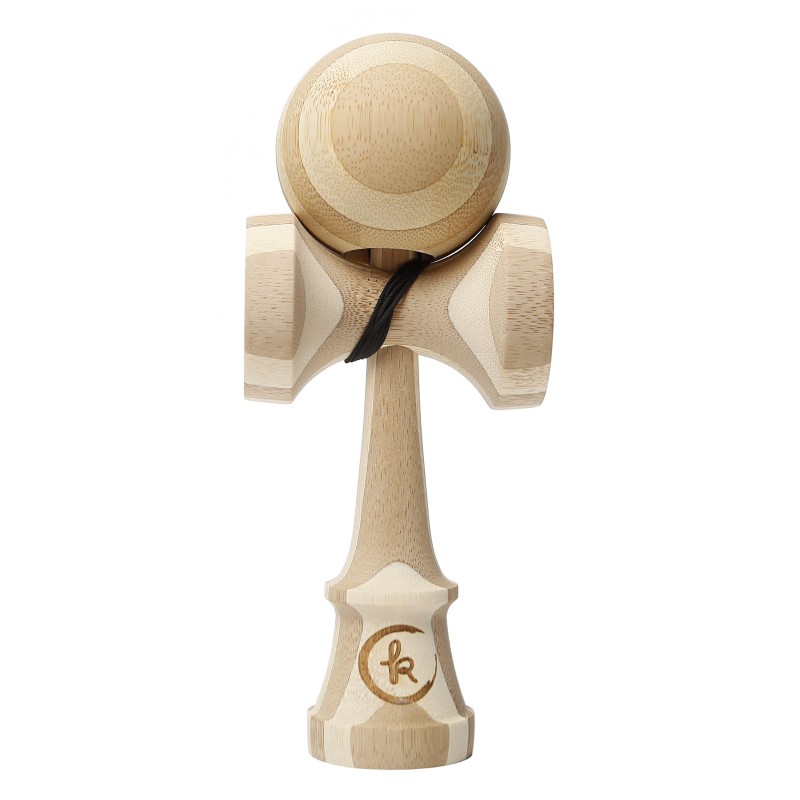
Tensei bamboo GG — Kendama Europe
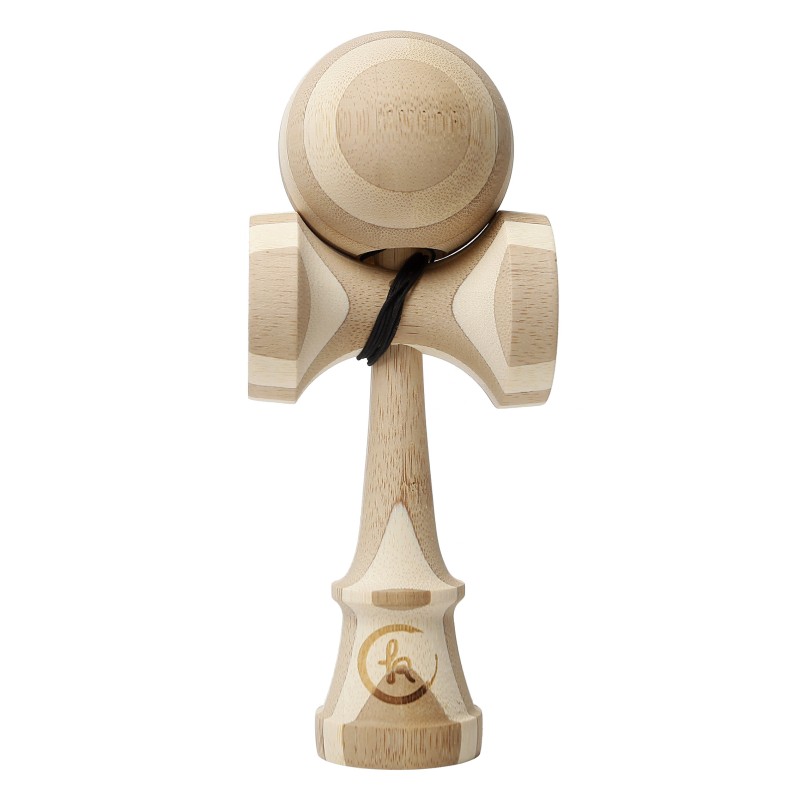
Tensei bamboo natural — Kendama Europe
Contact our team for any clarification about this document. Contact us


