
Bicycle
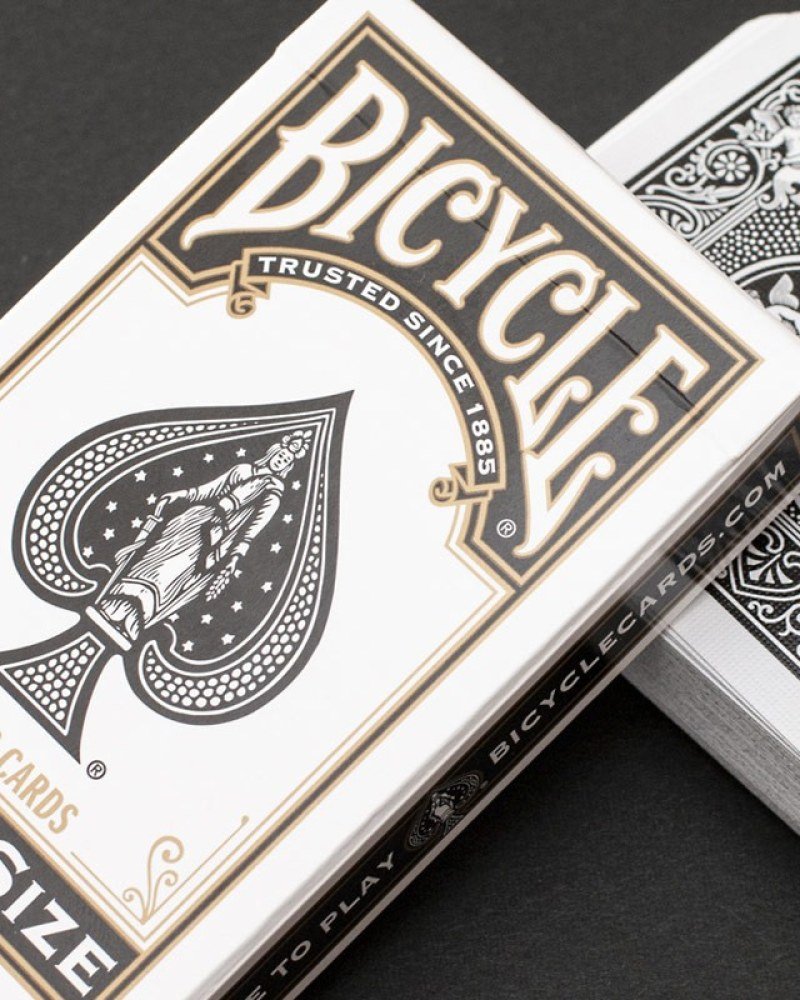
Bicycle Bridge Black – Playing Cards
€14.96




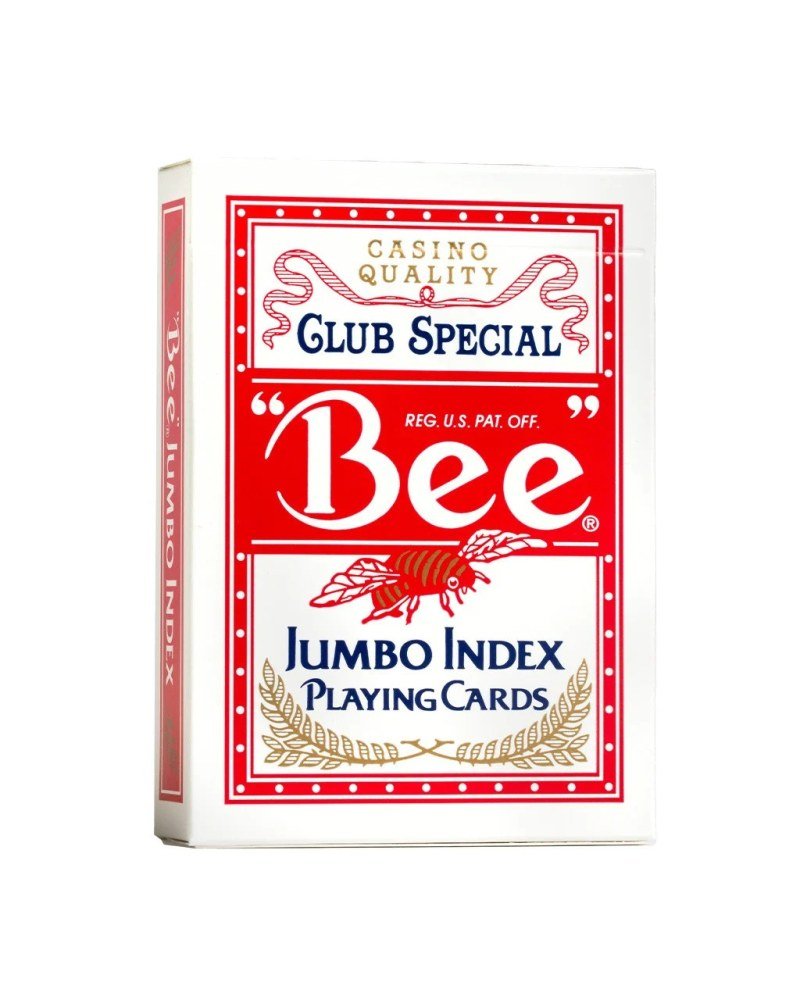


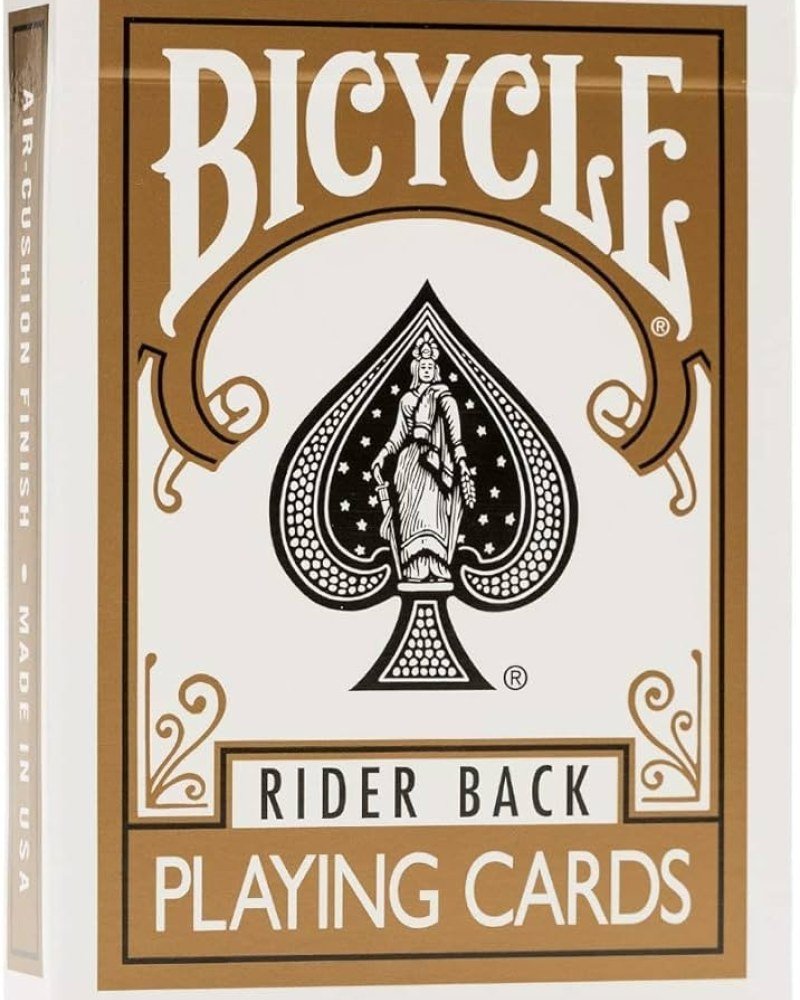


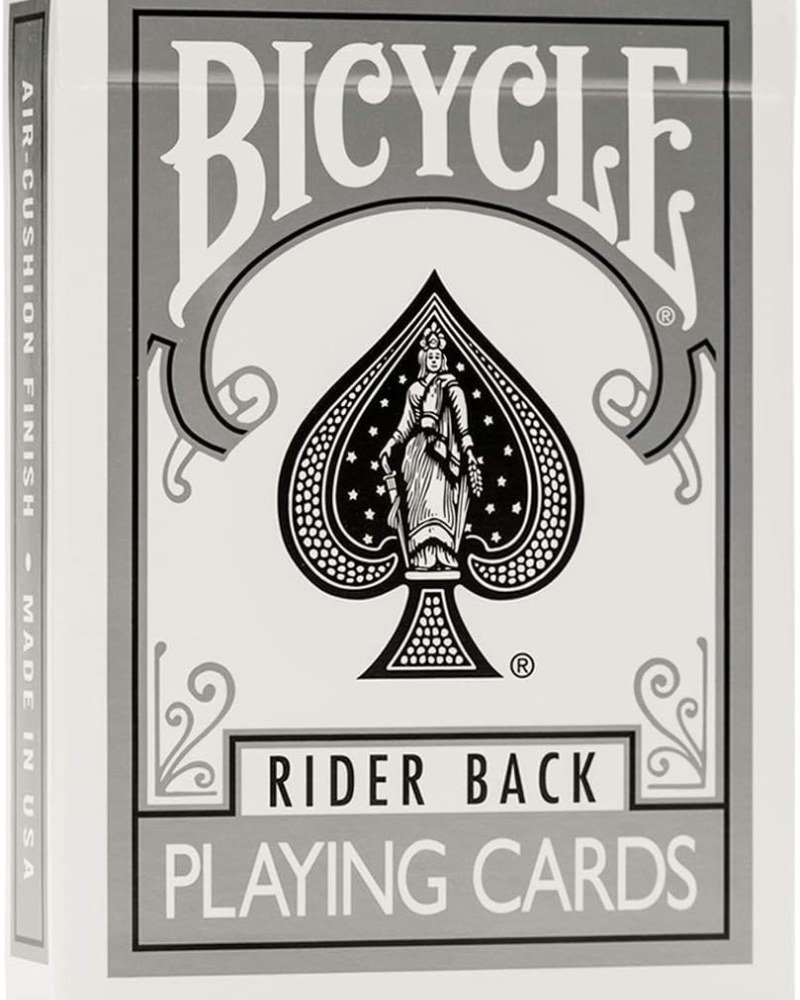


This category brings together the poker decks made for playing: poker cards with classic court cards and indices, easy to read at the table and easy to replace with an identical deck when they wear out. Here you will find the Bicycle Standard and the Rider Back, Bicycle decks with colored backs, Tally-Ho, Bee jumbo index, Aviator and decks for bridge and canasta. If you want to buy poker cards for a home game or for your club, everything shown as available is in our Madrid warehouse.
If you are looking for a professional poker deck, the things to check are the card stock or plastic, the finish and the size of the indices. Further down we explain what each of these means, how many decks you need for each game and which models fit each case.
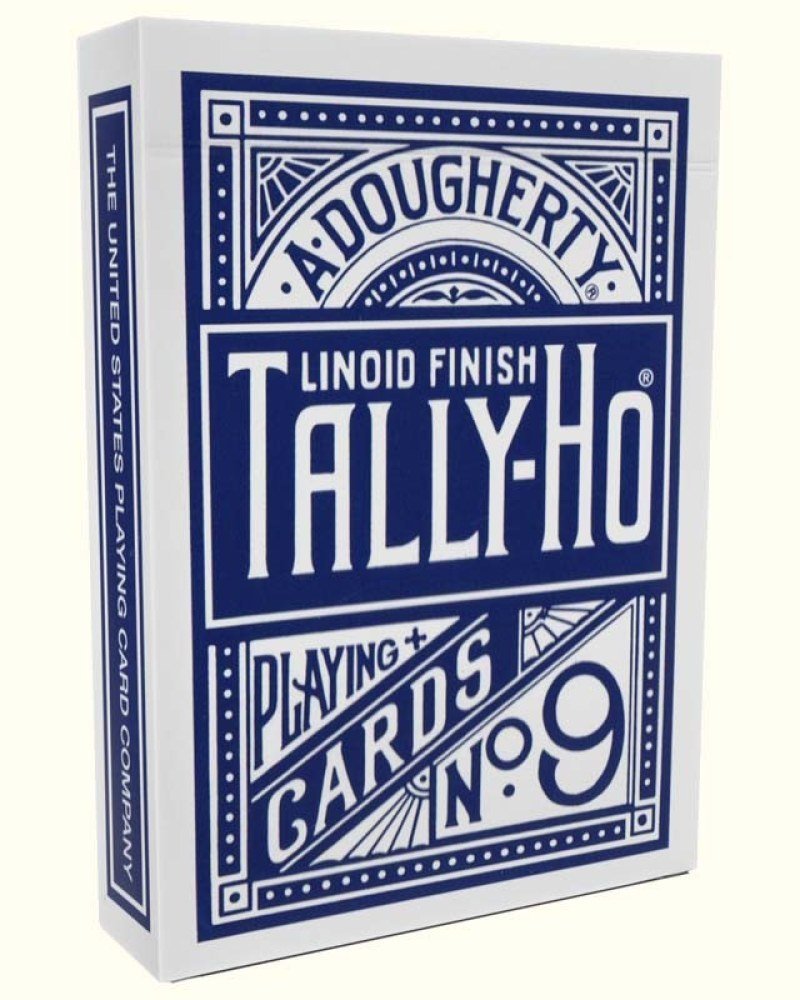
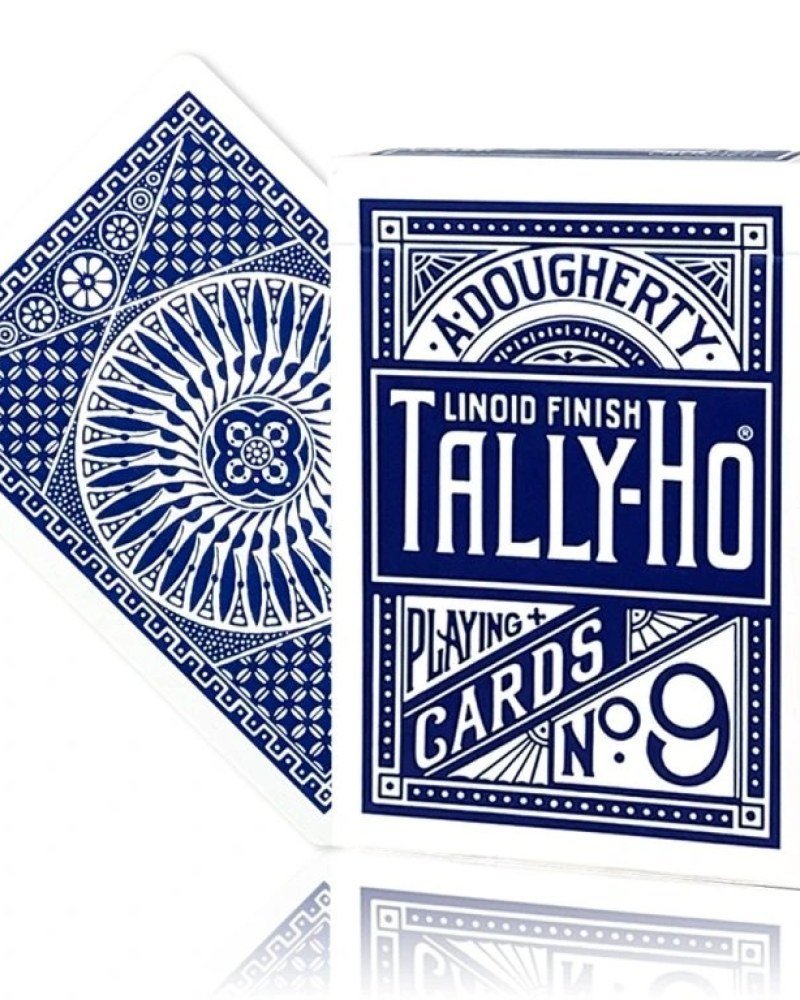
The Bicycle Standard and the red Bicycle Rider Back are the benchmark: Rider Back design, standard indices and Air Cushion finish. The Tally-Ho Circle Back in red or blue and the Fan Back come from the same printer, with a Linoid finish.
If you play often and change decks frequently, the Aviator is the budget option from the United States Playing Card Company, with thinner stock and a smooth finish. It comes in red and blue, so you can alternate two back colors at the same table.
In Texas Hold'em the community cards are read from across the table. The red Bee jumbo index and blue decks have much larger rank and suit in the corners, with Bee's typical borderless diamond back. They help players who struggle to see up close or when the light is low.
For players who shuffle a lot and prefer more flexible cards: the Bicycle Experts Thin Crushed and the Tally-Ho Circle Expert Touch in red or blue. They use thin crushed stock and a traditional cut, with the same faces as always.
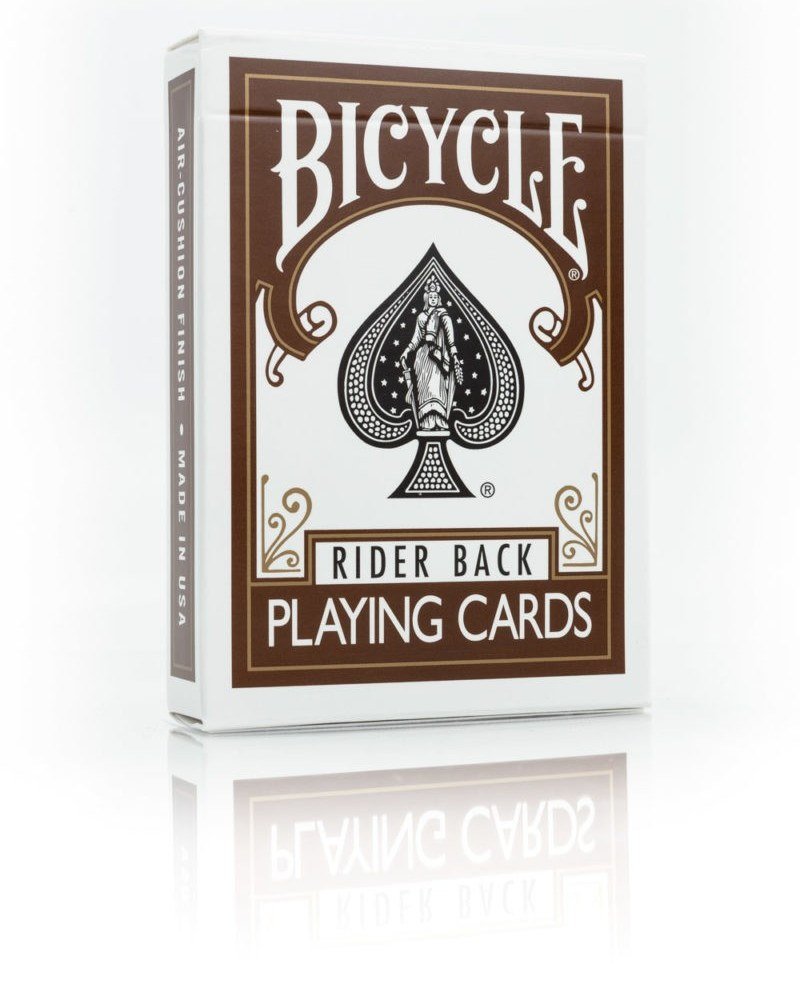
The poker size Bicycle deck with the back in a different color: grey, green, orange, fuchsia pink, brown, gold or silver. The faces are standard, so they play the same, and they make it easy to tell decks apart when there are several tables.
The Bicycle Bridge is bridge size, narrower and comfortable in games where you hold many cards. The Bicycle Canasta has 54 cards with the point value of each card printed under the index. The rules are in canasta rules.
A poker deck measures 2.5 × 3.5 inches (about 63 × 88 mm). A bridge deck is just as tall but narrower, 2.25 inches (about 57 mm), and is more comfortable when you hold a lot of cards. Poker, blackjack and almost every game played with a standard 52-card deck use poker size. The cards and suits are the same in both.
A poker deck has 52 cards in four suits: spades, hearts, diamonds and clubs. Each suit runs from Ace to King, plus the jokers. In Texas Hold'em the cards rank from 2 to Ace, the Ace can also count as the lowest card in the A-2-3-4-5 straight, and suits have no order: which card suit is highest in poker? None, no suit beats another. You will find it with examples in poker card values and in the poker hand rankings.
The index is the rank and suit in the corners. Standard is the usual one; jumbo is much larger and can be read from a distance, at the cost of leaving less room for the central design. For big tables or older players, jumbo is usually worth it.
The finish is what lets the cards glide and stops them sticking when you deal. Bicycle uses Air Cushion, Tally-Ho Linoid and Bee Cambric. On the product pages you will also see crushed or thin crushed: pressed stock, thinner and more flexible, which you notice when you riffle shuffle.
Paper decks are the most common choice for home games. Plastic poker cards, such as those from Copag or KEM, stand up better to drinks and bending and can be wiped with a damp cloth, in exchange for a different feel. When we have plastic decks in stock, they appear in this listing.
For poker one deck per table is enough, without jokers. Even so, many tables use two decks with different backs (for example, one red and one blue) and alternate them: while one hand is played, the other deck is shuffled. In bridge it is also customary to alternate two decks. Canasta is played with two full decks plus four jokers, 108 cards in total.

Printed in the United States since 1885 and owned by the United States Playing Card Company. It is easy to replace: if one deck gets damaged, you can find an identical one.

Created by Andrew Dougherty in 1885 and part of USPCC since 1907. Its classic backs are the Circle Back and the Fan Back, with a Linoid finish.

A brand from 1892, also from USPCC. Its borderless diamond back is associated with American casinos, which order it with their own logo: it is the typical casino deck.

USPCC's budget line in poker size, with thinner stock. Handy when you need several decks.

A playing card maker based in Vitoria, Spain, since 1868. Besides the Spanish deck, it makes poker decks.
Two brands specializing in 100% plastic decks, designed to last through long games.
This category is for decks made for playing. Designer decks, reissued casino style decks (Cherry Casino, Jerry's Nugget, Fultons) and artist decks are in premium playing cards; decks from films, series and other licenses are in licensed playing cards; and short print runs are in limited editions. For magic and flourishes you have magic playing cards and cardistry decks. If it is a gift, take a look at which deck to give as a gift.
If you are hosting a game with friends, the home poker night guide explains what you need, how to set the blinds and how to split the prizes. For beginners, how to play Texas Hold'em; to go further, the card games you can play with a poker deck. And if you are interested in the deck itself, the complete guide to the poker deck.
A Bicycle or a Tally-Ho. They are paper decks with a good finish, easy to read and easy to replace with an identical one. If there are older players at the table or the light is low, a Bee jumbo index.
Above all, a deck with good card stock and a good finish, with clear indices, and sometimes made of plastic so it lasts longer. A Bicycle, a Tally-Ho or a Bee is fine for playing at home or at a club.
52, plus the jokers. The box usually holds an extra card or two, because many brands add advertising or special cards. For Texas Hold'em the jokers are removed.
Only the width: 2.5 inches for poker and 2.25 for bridge. The cards and suits are the same.
No. The Bicycle decks in this category are paper with an Air Cushion finish, a coating that improves glide, but they are not plastic.
A deck in which the rank and suit in the corners are much larger than usual. They can be read from further away, which is useful in poker, where the community cards are in the middle of the table.
For poker, one per table; two with different backs if you want to alternate them. For canasta, two decks plus four jokers.