

Poker deck: complete guide | History, types and brands
Complete guide to the poker deck (52 cards, 63×88 mm): history, suits, leading brands (Bicycle, Bee, Tally-Ho, KEM, Fournier, Theory11), casino-grade and care tips.
The poker deck, also known as the French deck or English deck, is the standard deck used in most modern Western card games. It consists of 52 cards divided into four suits (hearts, spades, diamonds and clubs) of 13 cards each (Ace to King), to which one or two jokers are usually added.
It is the format you see in casinos, in poker tournaments, in most card-magic and in contemporary cardistry. Its colour distribution (two red suits and two black) was set in France in the late 15th century and has barely changed since.
In this guide
Origin and short history
Cards arrived in Europe around the mid-14th century from Egypt, with original suits of cups, swords, coins and clubs, the same ones that survive today in the Spanish deck. In France, around the 15th century, the engravings were simplified and the modern suits were adopted: cœur (heart), pique (spade), carreau (diamond or rhombus) and trèfle (club).
Historically, each suit has been associated with a medieval class (clergy, military, merchants and peasantry), although that reading is interpretive rather than documented. What is confirmed is that the French were the first to print cards in two colours (red and black), which dramatically cut production costs compared to woodblock engraving hand-coloured.
Modern industrial standardisation was set by the United States. The United States Playing Card Company (USPCC), founded in Cincinnati in 1867 and consolidated in 1885, established the two sizes today considered official: poker size (63 × 88 mm) and bridge size (57 × 88 mm). The Bicycle line, launched that same year of 1885, popularised the poker format worldwide.
Components of a poker deck
- 52 numeral cards: 13 per suit, from Ace to King (A, 2, 3, 4, 5, 6, 7, 8, 9, 10, J, Q, K).
- 2 jokers: present in most modern commercial decks; used in some games as multifunction cards.
- Extra cards: many brands add a guarantee card and an ad card with promotional artwork.
The back is a single design, identical on all 54 cards, so the player cannot identify specific cards by looking at the reverse. To understand why each suit has its shape and colour, there's a dedicated piece: poker deck suits: origin and meaning.
Sizes and formats
| Size | Dimensions | Usual use |
|---|---|---|
| Poker | 63 × 88 mm | Poker, blackjack, casino, magic, board games |
| Bridge | 57 × 88 mm | Bridge, canasta (games where you hold 13+ cards in hand) |
Almost all commercial decks for current household use are poker size. The bridge size mainly survives in bridge clubs and for some magic models where a narrower deck facilitates certain techniques.
Materials: coated paper vs plastic
Coated paper deck
The most common format. Made by Bicycle, Bee, Tally-Ho, Theory11 and most premium brands. The substrate is multi-layer cardboard with a thin plasticised finish (the best known is USPCC's Air-Cushion Finish) that reduces friction when shuffling.
- Good flow when shuffling and fanning.
- Classic feel and look.
- Average life: a standard Bicycle deck usually holds up several dozen hours of intense play before starting to mark.
- Affordable price (typical range: €5-15 per deck).
100% plastic deck (PVC)
Representative brands: KEM (USPCC), Copag, Modiano, Fournier 2818 and 818, Da Vinci.
- Resistant to moisture, stains and bends. The cards are washable.
- Greater durability: a Copag or KEM deck can last hundreds of hours of intensive use.
- Stiffer and more slippery feel. Needs adjustment if coming from paper.
- Higher price: usually between €20 and €40 per deck.
Did you know decks like these exist?
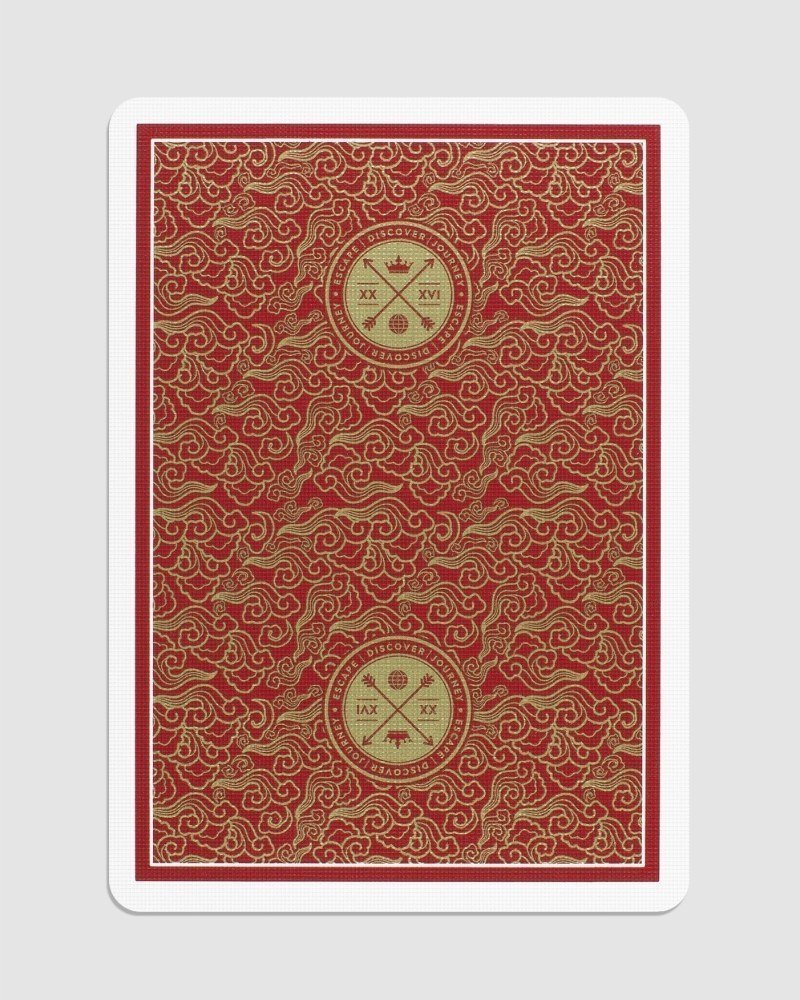
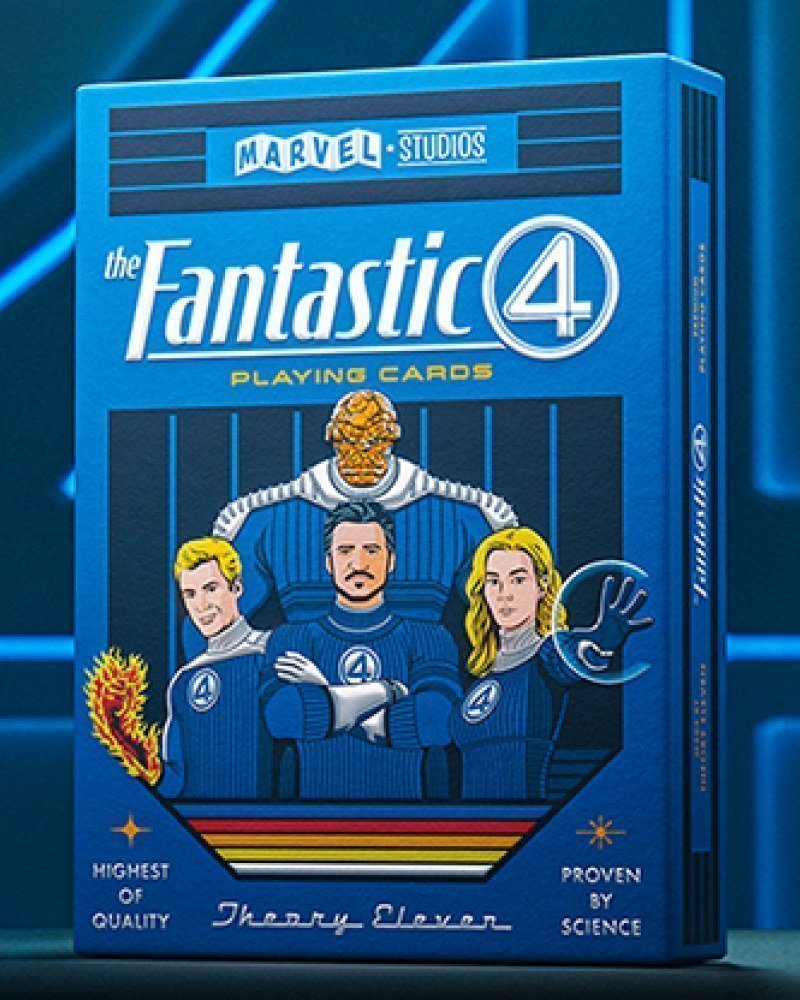
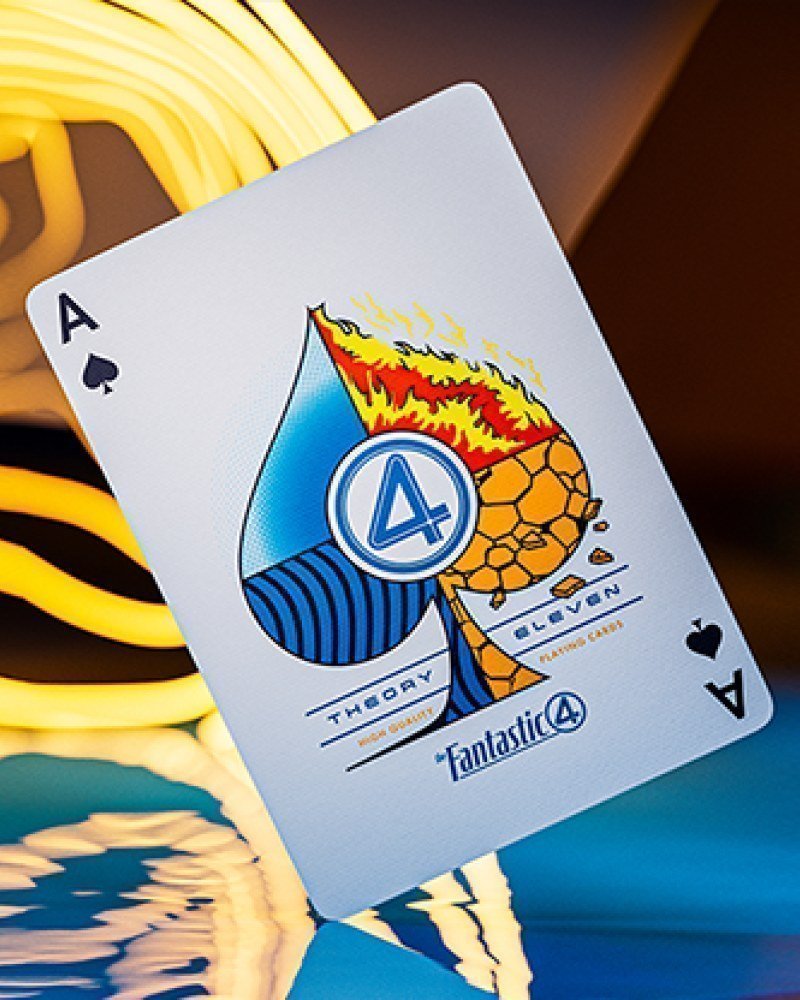
At heart, every deck has the same cards. What changes is everything else: the design, the finish, metallic inks or gilded edges. Take a look at our catalogue and bring your own style to the card table.
Browse our playing cards →




Most recognised brands
Bicycle
USPCC, 1885. The de facto worldwide standard. Its Rider Back model (an angel on a bicycle) is one of the most recognisable backs. Good value and Air-Cushion finish. See Bicycle in our store →
Bee
USPCC, 1892. Designed from the start for casino use. Its nº 92 Club Special model, with red or blue diamond back without white border, has been for decades the usual deck on the tables of many US casinos. See Bee →
Tally-Ho
Originally from Andrew Dougherty (1885), acquired by USPCC in 1907. Recognised for its Fan Back and Circle Back backs. Traditionally popular among card magicians for its finish. See Tally-Ho →
Aviator
USPCC, launched in 1927 to commemorate Charles Lindbergh's transatlantic flight. More economical than Bicycle, with slightly more robust cardstock. Brand mainly present in the North American market.
KEM
Premium plastic. Acquired by USPCC in 2004. KEM decks with Bicycle design are the official cards of the World Series of Poker since 2007.
Theory11
New York brand specialised in premium and collectible editions: Monarchs, Artisan, NOC, among others. Careful print finish and designs oriented to magic and cardistry. See Theory11 →
Fournier
Naipes Heraclio Fournier, founded in Vitoria (Spain) in 1868. Acquired by USPCC in 1986 and today integrated into the Cartamundi group. Historic reference of the Spanish deck and also of French decks in the Iberian market. Its 2818 and 818 plastic models are common in European tournaments. See Fournier →
Copag
Made in Brazil and Belgium, 100% PVC. One of the most used options in professional circuits and at PokerStars Live events.
Modiano
Italian, also plastic. Widely spread in European casinos and in regional card games of southern Europe.

Casino-grade vs standard: what changes
Decks sold as casino-grade or professional share characteristics that differentiate them from the standard Bicycle deck:
- Stiffer stock (cardboard or PVC) to tolerate thousands of hands without warping.
- More durable finish: linoid finish on Bee, embossing on KEM and Copag.
- Jumbo Index: corner numbers and letters are printed larger so the dealer reads them from a distance.
- Cut card: a solid coloured card to cover the bottom card when shuffling, preventing it from being seen.
- "No border" design: on the professional Bee, the back reaches the edge, which facilitates detecting marking or bending.
For occasional household use, most players do not need casino-grade. For regular play with many hands per week, or for magic that puts cards under mechanical stress (faro, continuous riffle), the plastic or casino-grade format usually justifies the extra cost.
How to choose by use
- To play poker at home with friends: Bicycle Rider Back or Aviator. Enough and economical. See also the guide which deck to buy?.
- For magic and cardistry: Bicycle, Tally-Ho or Theory11. Their Air-Cushion finish facilitates the movements.
- For serious play or intensive use: Copag, KEM or Fournier 2818 (plastic).
- For collecting: limited editions from Theory11, Art of Play or Kings Wild Project.
Basic care
- Clean and dry hands before handling. Hand grease is what most quickly degrades the finish.
- Store the deck in its tuck box when not in use. Avoid moisture and direct light exposure.
- Do not mix decks of different wear in the same game: the deal becomes identifiable and randomness breaks.
- If a deck gets slightly wet, dry it spread out on an absorbent cloth. If it gets completely wet, the usual thing is to discard it: paper decks do not recover.
· History of the poker deck: the French deck
· Poker deck suits: origin and meaning
· Which deck of cards to buy?
How much does a deck of cards cost?
From €5 to over €100. The 52 cards and the rules stay the same; this is what changes.
 To play€5.95 To play€5.95 |  Designer€12.95 Designer€12.95 |  Premium€17.99 Premium€17.99 |  Collectible€34.94 Collectible€34.94 | |
|---|---|---|---|---|
| Typical price | €5-9 | €9-15 | €15-30 | €30 or more |
| What sets it apart | Classic casino design | Artist illustration on back and faces | Special inks, embossing and foil on the box | Limited print runs and gilded edges |
| Who it is for | Games at home | Playing with something beautiful | Gifts or cardistry | Collecting and display |
| Example | Tally-Ho Fan Azul | theory11 Medallion | The Sandwich Series (Luncheon Meat) | Kings Wild LOTR Two Towers Gilded |
| See decks | See decks | See decks | See decks |
Poker
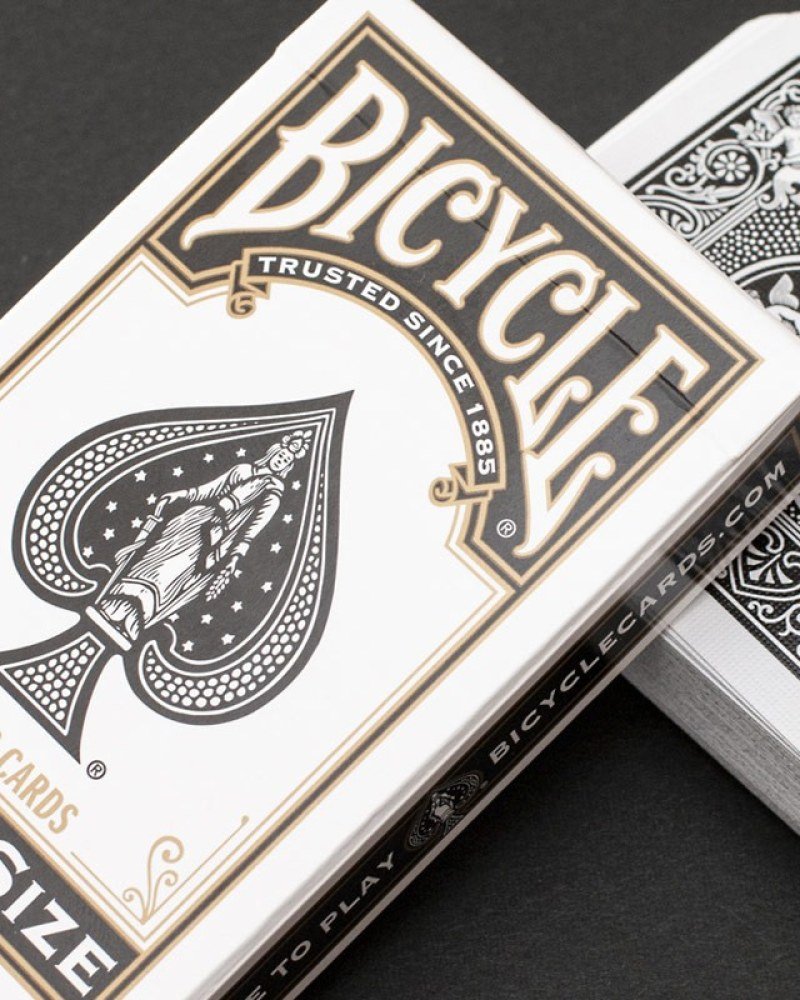
Bicycle Bridge Black – Playing Cards

Tally-Ho Circle Expert Touch Blue – Playing Cards

Tally-Ho Circle Expert Touch Red – Playing Cards
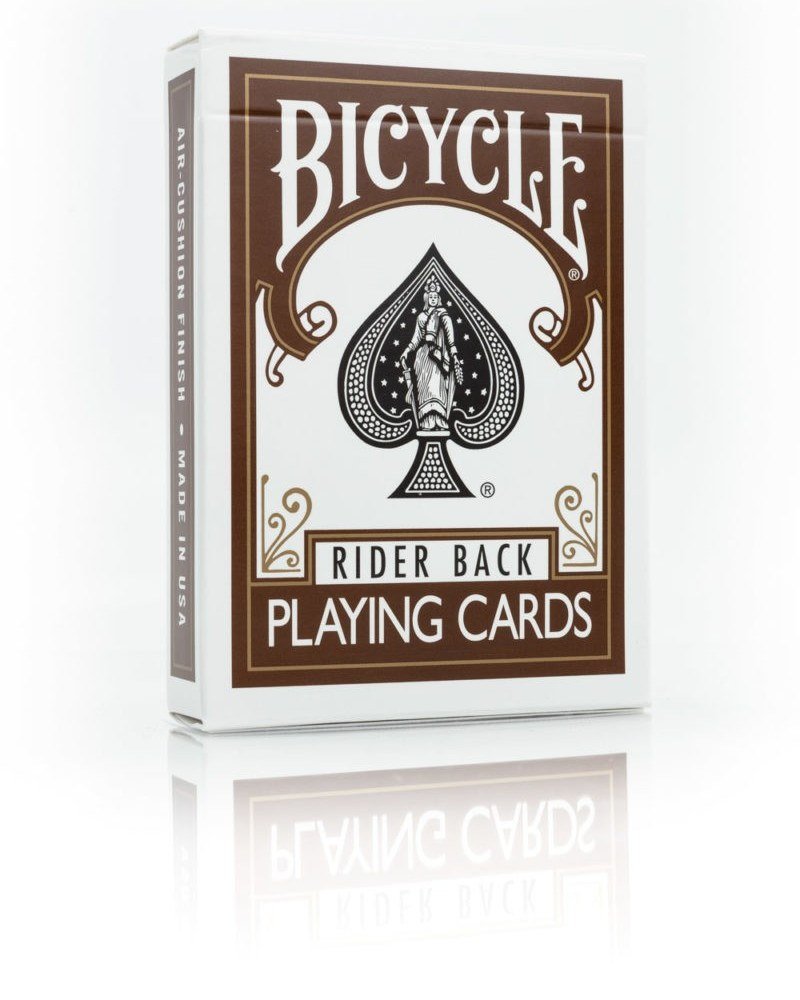
Bicycle Brown Back – Playing Cards
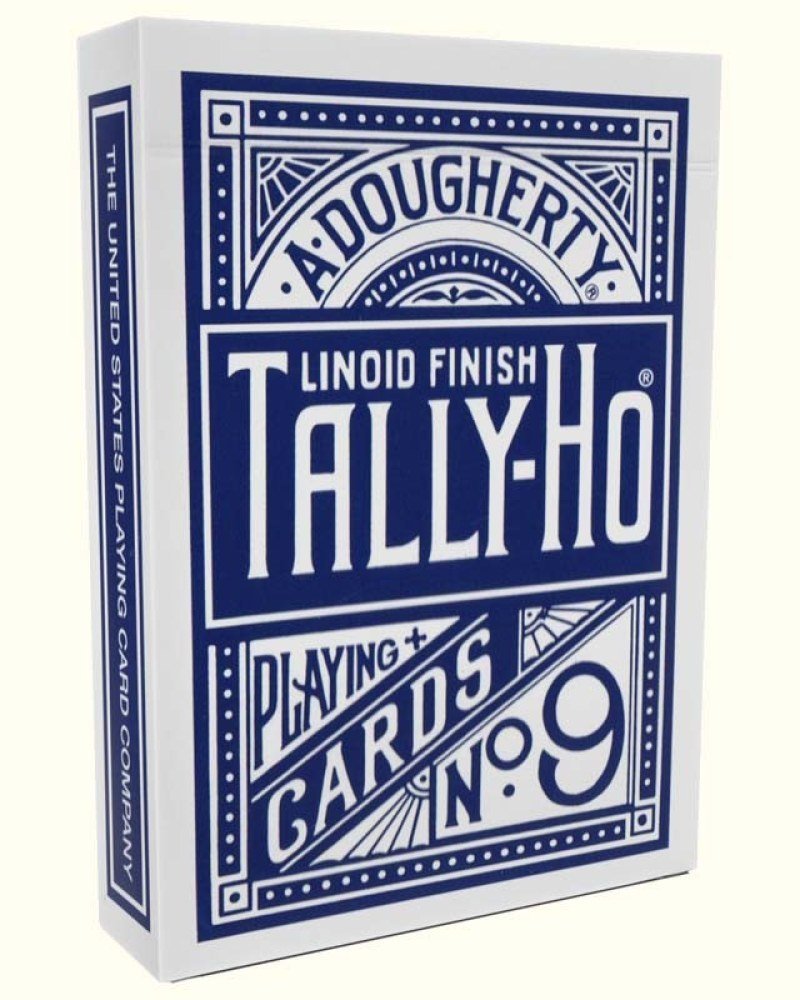
Tally-Ho Fan Blue – Playing Cards
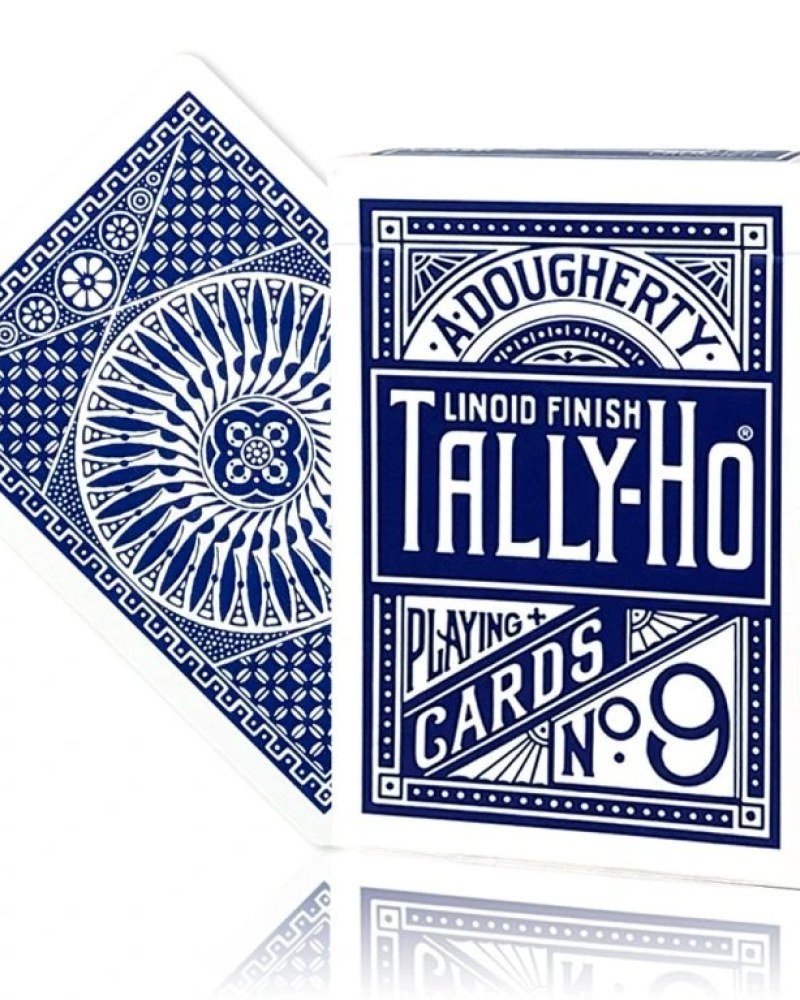
Tally-Ho Circle Blue – Playing Cards

Tally-Ho Circle Red – Playing Cards

Bee Jumbo Index Blue – Playing Cards
Contact our team for any clarification about this document. Contact us


