
Types of Rubik's Cubes: 3×3, 4×4, megaminx, pyraminx and more
Types of Rubik's Cubes: classic cubic (2×2 to 7×7), non-cubic (Pyraminx, Megaminx, Skewb), modified (Mirror, Ghost) and smart cubes.
The classic Rubik's Cube is a 3×3×3, but the family of Rubik-type puzzles includes dozens of variants. This piece reviews the main categories and who each is designed for.

NxNxN cubes (classic cubic shape)
2×2 (Pocket Cube)
Only has corners. No edges nor movable centres. Simpler than the 3×3 (3.6 million permutations vs 43 quintillion) and considered a good starting point or a fast speedcubing cube (current records under one second).
3×3 (Rubik's Cube)
The original format and the most played. 26 visible pieces. It's the most-solved cube in the world and the main competition category.
4×4 (Rubik's Revenge)
Four rows per face. Unlike the 3×3, the centres are movable, which adds a previous phase: you have to rebuild the centres before you can apply a 3×3 solving method. More demanding and longer to solve.
5×5 (Professor)
Fixed centres like the 3×3, but with multiple edges per side. It's a "friendly" cube among the big ones because its centres behave like the 3×3's.
6×6 and 7×7
Big cubes, aimed at an advanced audience. Solving them takes 5-15 minutes even for fast cubers. The V-Cube 7 (Verdes Innovations, 2008) marked the beginning of commercial large-size cubes.
Non-cubic cubes
Pyraminx
Tetrahedral pyramid. Faster and more accessible than the 3×3 because its pieces have fewer possibilities. Someone who learns the basic method can solve it in 30 seconds. Current official record under 1 second.
Megaminx
12-faced dodecahedron. The solving logic is similar to that of the 3×3 (layer by layer), but due to the number of pieces, the complete solution takes several minutes. Popular in competition.
Skewb
Cube that turns from the vertices instead of from the faces. Different mechanics from the classic 3×3. Normally solved in 30 seconds or less.
Square-1
Cube that changes shape during the resolution. Very different from the rest: midway through the process the puzzle stops being square. Considered one of the rarest to learn.
Cubes for every level
From a first magnetic 3x3 to competition cubes and less common shapes such as the Megaminx or the Pyraminx. Take a look at our catalogue.
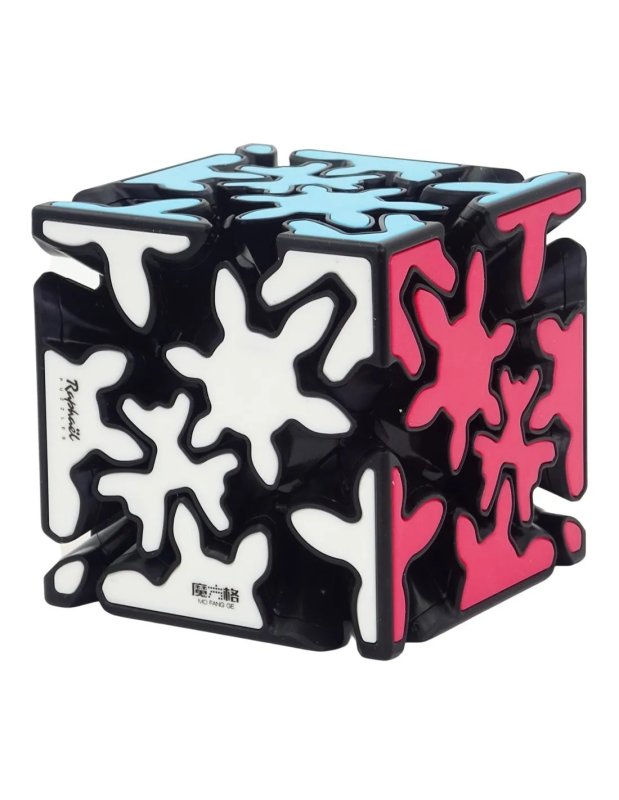
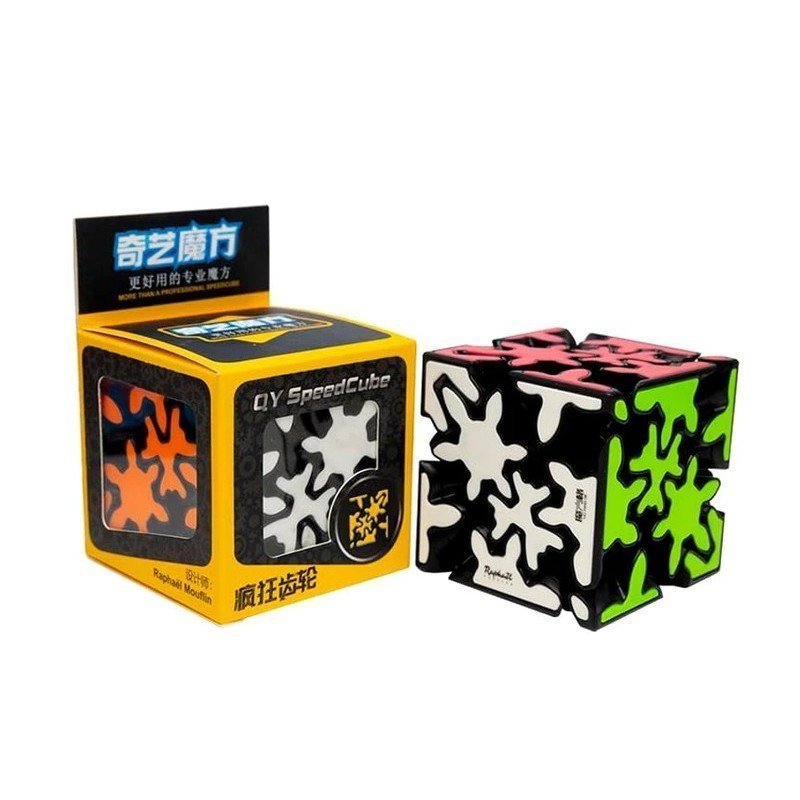 QiYi Crazy Gear Cube 3x3 - Puzzle con Engranajes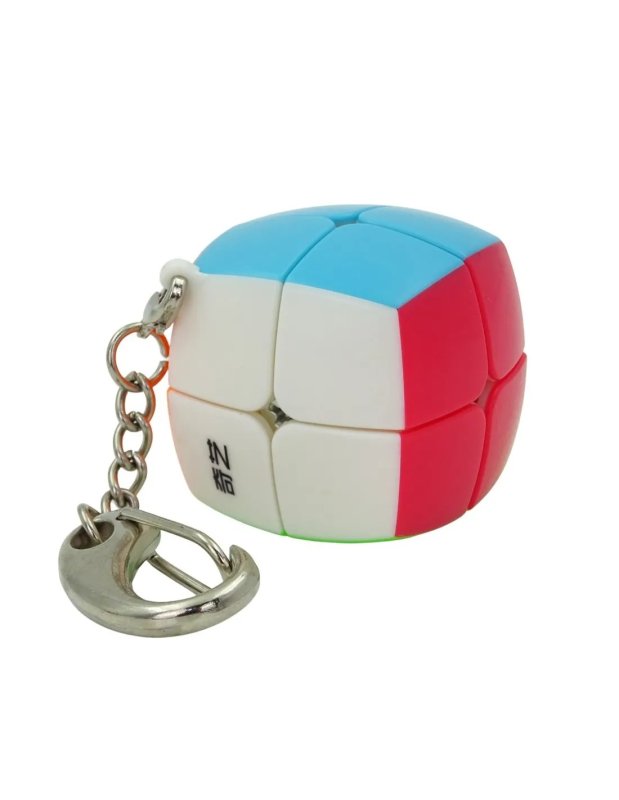
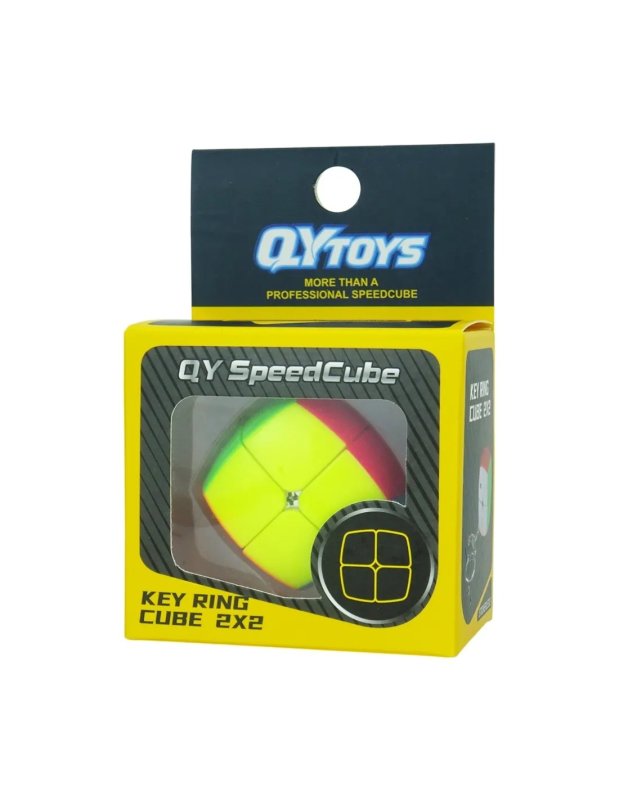 QiYi 2x2 Mini Pillowed Llavero Stickerless Removible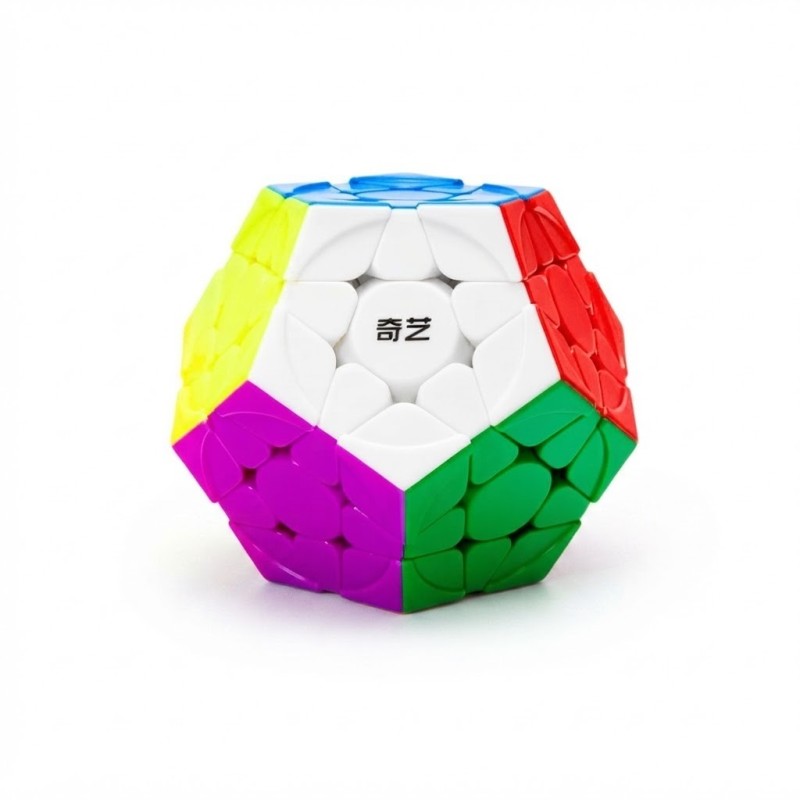
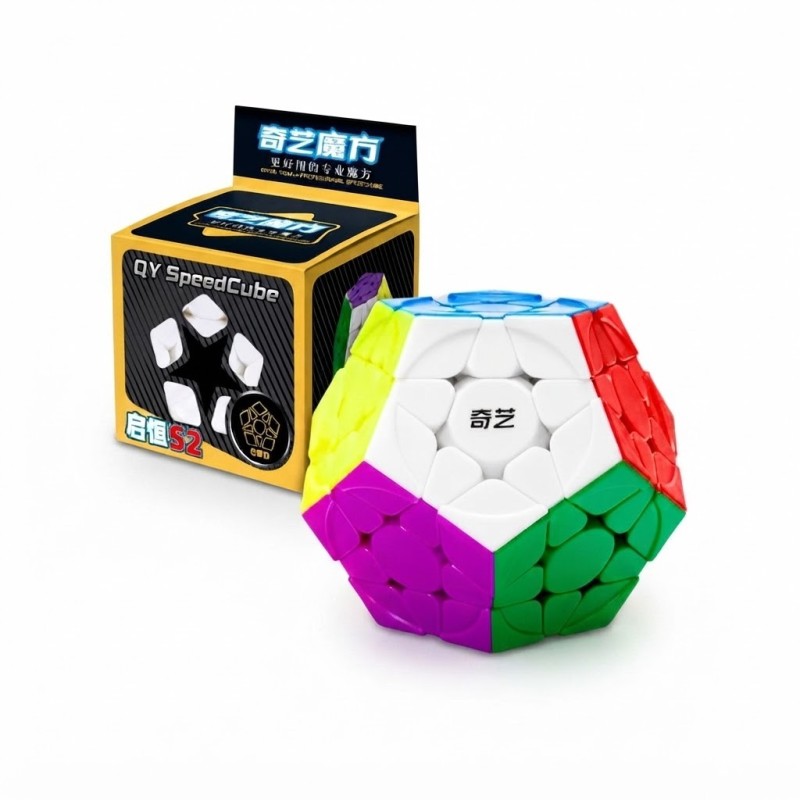 QiYi QiHeng S2 Megaminx Stickerless Dodecaedro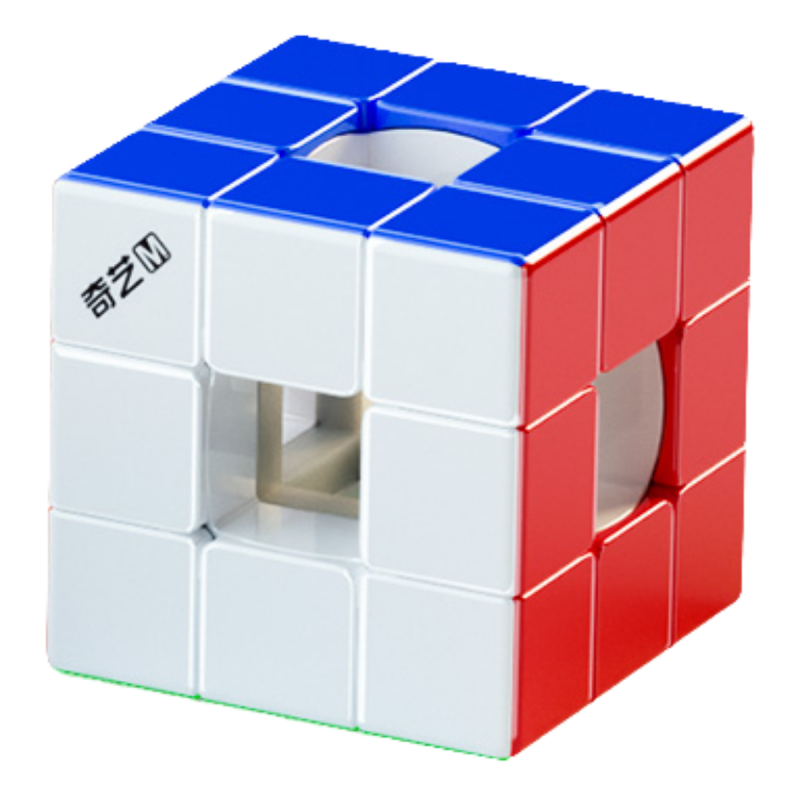
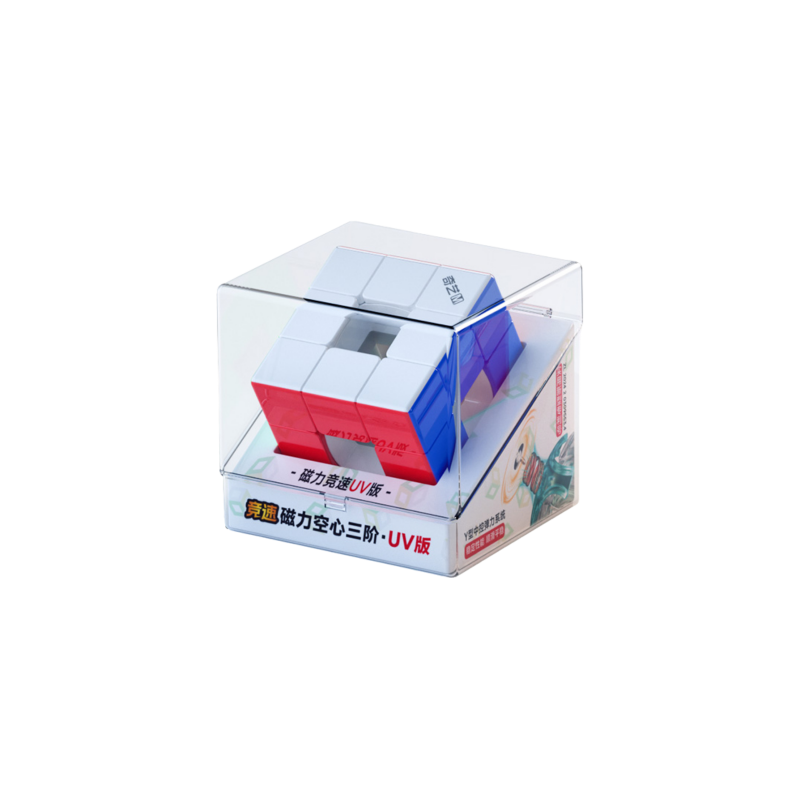 QiYi Void 3x3 Magnético UV Coated Stickerless
Modified cubes (shape mods)
Mirror Cube
All pieces have different shapes and sizes. A single colour (typically silver or gold). It is solved by shape, not by colour. The solving logic is the same as for a standard 3×3.
Ghost Cube
Variant of the Mirror with irregular and rotated cuts. Considered one of the most difficult puzzles in the catalogue. Requires fluency in 3×3 before approaching.
Axis Cube and Fisher Cube
Variants with axes displaced from the classic 3×3. Solving identical to the 3×3, but the visual change during the resolution disorients at first.
Smart cubes
Carry internal sensors detecting the turns and connecting via Bluetooth with a mobile app. The app shows step-by-step tutorials, records times and allows online matches against other users.
- GAN 356 i Carry: best seller. App with tutorials.
- GoCube: online multiplayer focus.
- Rubik's Connected: the official licensed version.
Cubes for visually impaired
There are versions with relief instead of colours, where each face is distinguished by a different texture. The Rubik's Tactile Cube is the most extended.
Where to start if you don't know what to pick?
- If you've never solved a Rubik's: start with a simple 3×3. It's the most documented and the one with the most tutorials.
- If you already solve the 3×3 and want variety: Pyraminx and Mirror Cube are accessible and different options.
- If you want a challenge: 4×4, then Megaminx, then 5×5.
- To learn with interactive guidance: a smart cube.
To go deeper into solving methods, brands and care, read the complete Rubik's Cube guide.
Keep exploring
Rubik's Cubes and Speedcubing
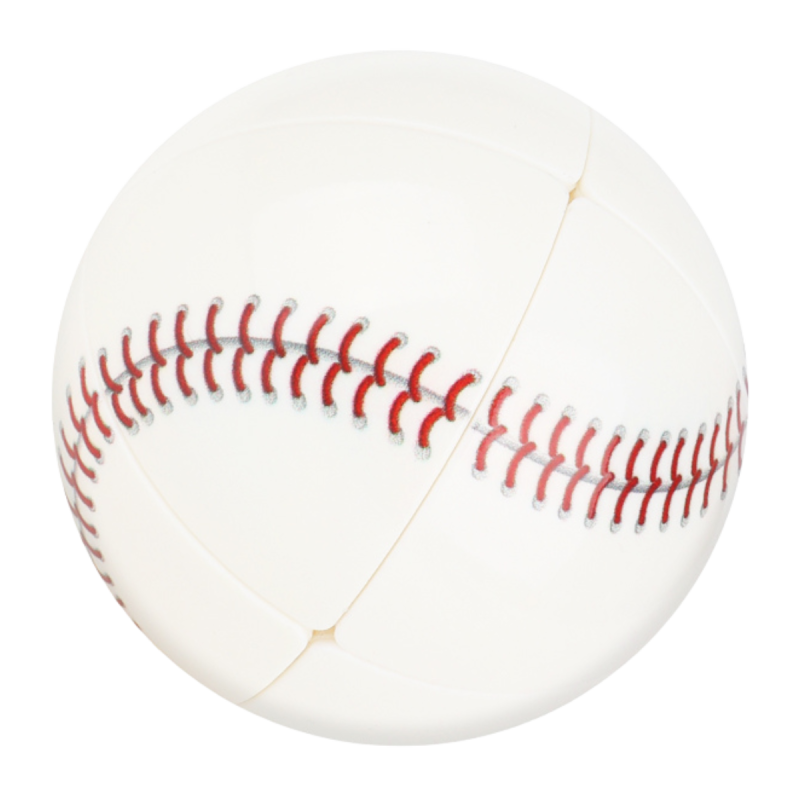
YuXin 2x2 Baseball Shape Mod

YuXin 2x2 Basketball Shape Mod
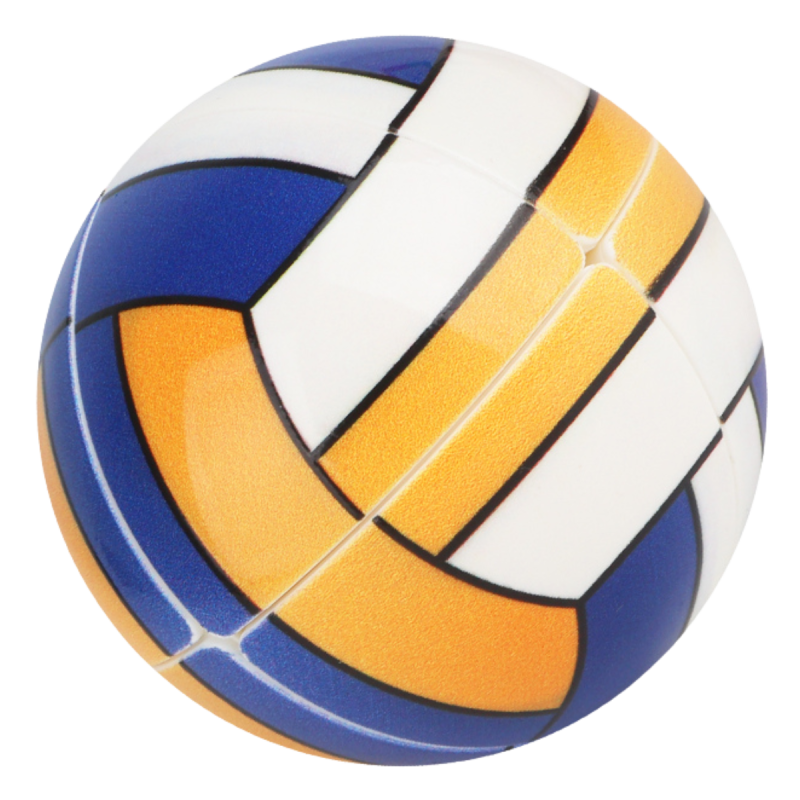
YuXin 2x2 Ball Shape Mod Purple

Skewb Mirror DianSheng (Pink)
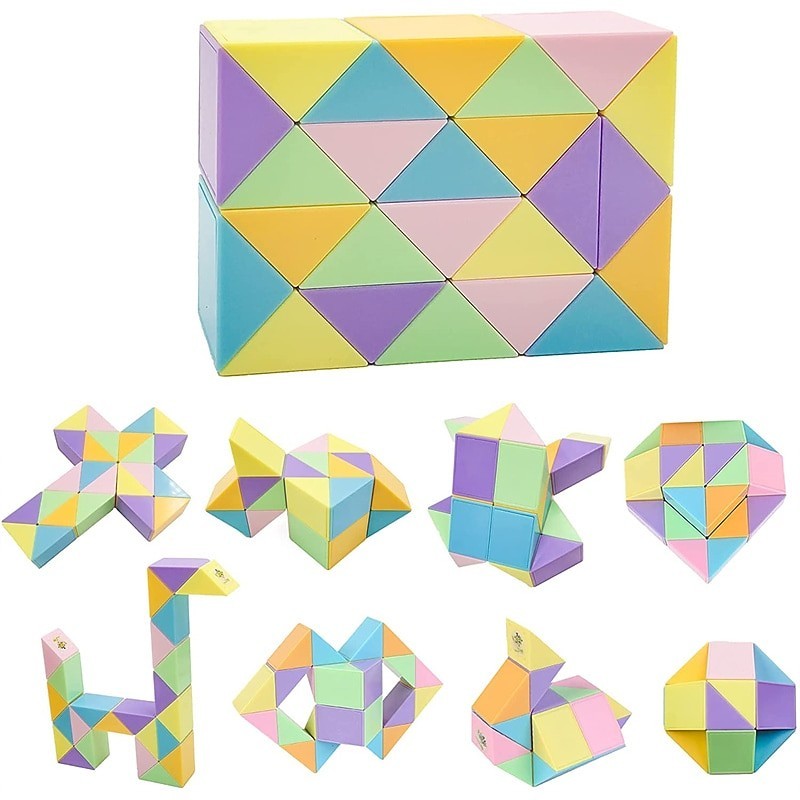
QiYi Magic Snake 60 Blocks Multicolour
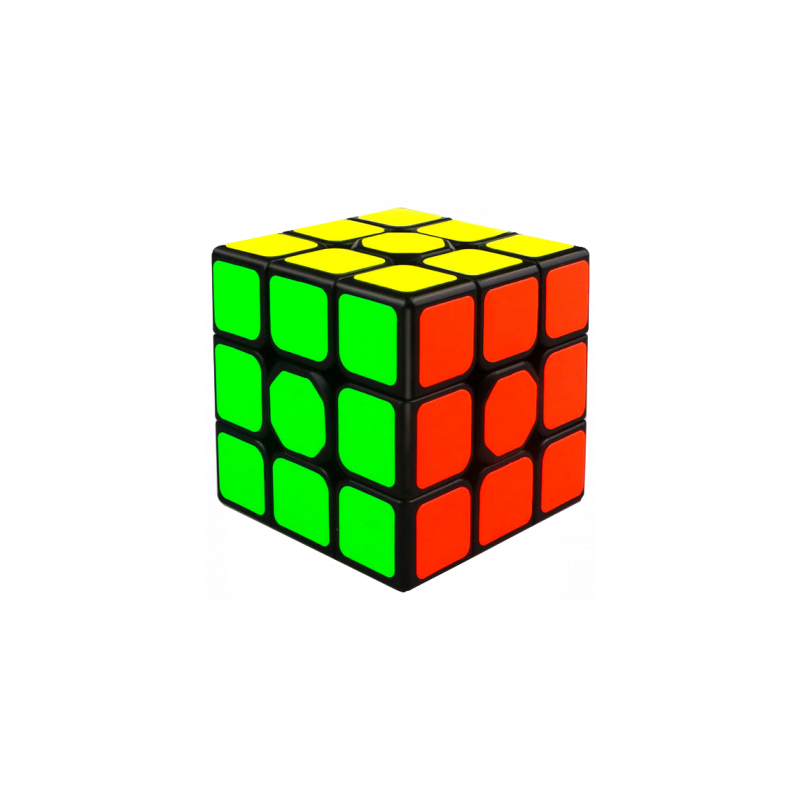
QiYi Sail W 3x3 reinforced mechanism 56 mm

QiYi Sail 6x6 black classic beginner 60.5 mm
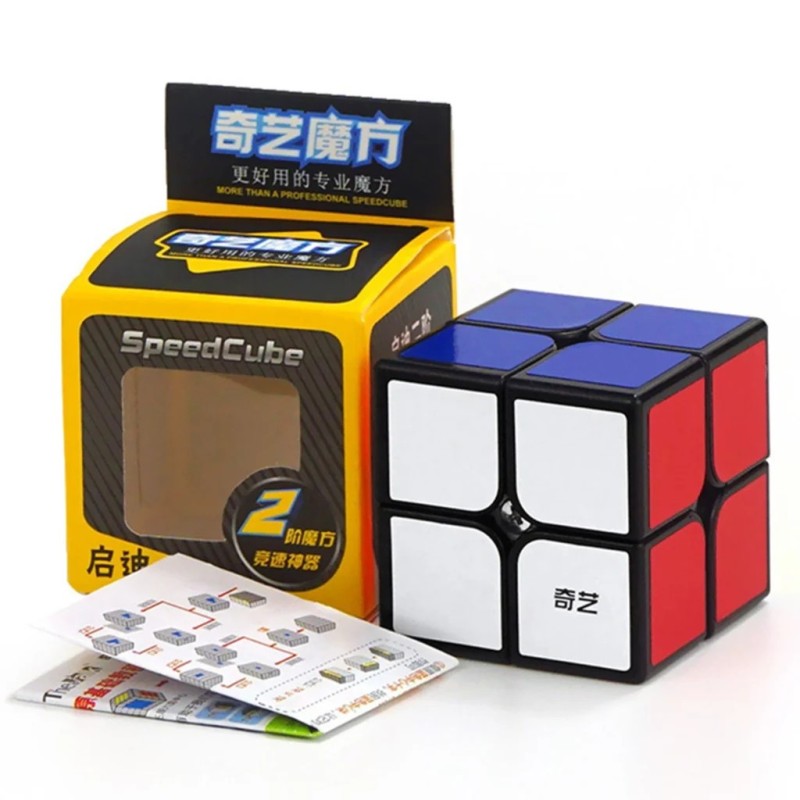
QiYi Sail 2x2 black compact for beginners
Contact our team for any clarification about this document. Contact us


