
Puzzles: complete guide | Types, brands, piece count and assembly
Complete puzzle guide: types (classic, 3D, panoramic, wooden), brands (Ravensburger, Heye, Educa, Clementoni), how to pick piece count and assembly technique.
A puzzle is more than just "fitting pieces": there are types, qualities, brands and techniques. What types exist, which brands are the reference, how to choose and how to assemble with method.
Puzzles are jigsaws of die-cut pieces that, when assembled, reconstruct an image. They emerged as a teaching tool in the 18th century (sectioned maps by John Spilsbury, ~1760) and today they are an industry with several ranges: classic, panoramic, 3D, wooden, children's and collectible. This guide sums up the types, the reference brands and real assembly technique.
In this guide
What a puzzle is and where it comes from
A puzzle is an image printed on a substrate (laminated cardboard or wood) cut into irregular die-cut pieces that fit together. The goal is to reconstruct the image by assembling them. The invention is attributed to London cartographer John Spilsbury around 1760: he glued maps onto wood and cut them along country borders, as a tool to teach geography. The transition to adult entertainment came in the late 19th century and, above all, during the Great Depression of the 1930s, when cheap puzzles became a massive home distraction in the US.
Types of puzzle
| Type | Features | Audience |
|---|---|---|
| Classic | 2D image, rectangular, 500-5000 pieces | Family and adult |
| Panoramic | Elongated format (2:1 or 3:1) | City skylines, urban landscapes |
| 3D | Curved or structural pieces forming a 3D object | Buildings, globes, spheres |
| Wooden | Die-cut wooden pieces, sometimes with whimsies (figurative shapes) | Collectible, gift, premium |
| Children's | Few pieces (4-100), large, thick cardboard | Children 2-10 years |
| Mystery | The final image is not on the box: you discover it | Adults, gift |
| Double-sided | Two different images on each face | Extra challenge |
| Collectible / art | Reproductions of artworks, limited editions | Adult / decoration |
Piece count: what to pick
- 100-300 pieces — Family; assembled in one sitting.
- 500 pieces — The balance for beginner adults; several hours, no overwhelm.
- 1000 pieces — The adult standard. Most Ravensburger, Heye or Educa catalogues revolve around this size. Usually 8-15 hours of assembly depending on experience and image.
- 1500-2000 pieces — Intermediate challenge, a week or two of casual pace.
- 3000-5000 pieces — Long project; needs a dedicated surface or specific board.
- 10,000+ pieces — Brands like Ravensburger (Disney 40,320 pieces, Travel Around Art 54,000) or Educa with similar runs; multi-month projects requiring lots of space (over 5 m wide).
Reference brands
| Brand | Origin | Feature |
|---|---|---|
| Ravensburger | Germany, 1883 | The global standard; precise die-cut, firm fit, consistent quality |
| Heye | Germany, 1958 | Iconic triangular boxes; author illustrators (Mordillo, Gobi, Loup) |
| Educa | Spain, 1894 | "Fix Puzzle" glue included in many references; good value |
| Clementoni | Italy, 1963 | Wide thematic variety; High Quality Collection range at good price |
| Schmidt | Germany, 1907 | Good illustrators and art designs; high-end fit and die-cut |
| Cobble Hill | Canada, 2005 | "Random cut" (irregular non-grid pieces); matte anti-glare substrate |
| Wooden City / Wood Trick | Ukraine | Self-assembling mechanical 3D wooden puzzles |
| Ravensburger Wooden / Wentworth | UK | Laser-cut wood with whimsies; premium |
Assembly technique
There is method beyond "just trying":
- Workspace: stable table or dedicated puzzle board (rolling mat) if you'll take several days. Good overhead lighting halves eye strain.
- Initial separation: pour all pieces out and flip them face-up. Separate borders (pieces with one straight side) and corners (two straight sides).
- Assemble the frame first — the four corners and borders define the real dimensions.
- Group by color and zone: separate remaining pieces by dominant color or identifiable image elements (sky, water, specific buildings).
- Work in zones: assemble recognisable zones (a face, an object, a sign) as "islands" and then connect them with the uniform fills (sky, water) at the end.
- Uniform fills at the end — sky, water or flat-color zones are always slowest; leave them when you have the frame and islands assembled, for reference.
- When stuck: change zone. Visual fatigue makes you stop seeing differences between similar pieces; a 15-minute break "resets" the eye.
Preserving and framing
If you want to preserve a finished puzzle:
- Glue: Ravensburger Conserver, Educa Fix Puzzle, Clementoni; applied with spatula or sponge on the finished puzzle. Let dry 24h on the board.
- Rigid backing: glue the puzzle onto foamboard or rigid foam after gluing; prevents warping.
- Frame: standard frames for common sizes (50×70, 70×100); brands like Ravensburger sell frames compatible with their puzzles.
- Display: direct sun fades colours; protect with anti-reflective glass if hung in a bright area.
How to pick yours
- To gift to a non-puzzler: 500 pieces, known brand (Ravensburger, Educa), image with differentiated elements (not all sky).
- For a family session: 1000 pieces, landscape or illustration with many elements to share zones.
- For an adult challenge: 2000-3000 pieces, premium brand (Ravensburger, Schmidt), favourite theme.
- For decoration: think about the frame first and choose a compatible size (50×70 cm = 1000 pieces standard usually fits).
- For collecting: wooden puzzles (Wentworth, Wooden City), limited editions or signed illustrators.
Brain Teaser Puzzles
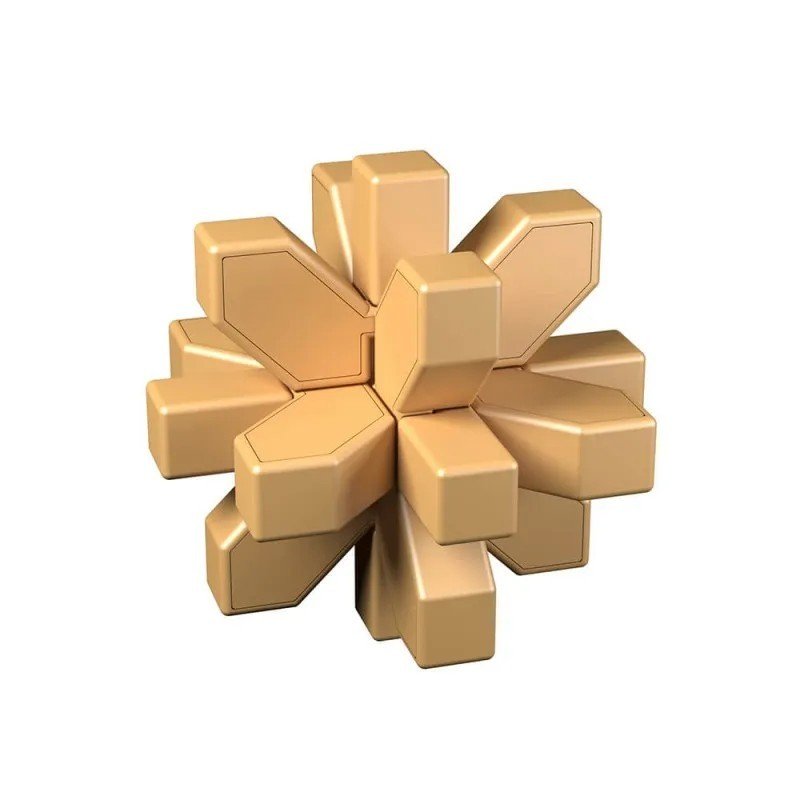
QiYi Blossom Lock Kong Ming Plastic Puzzle

QiYi Kong Ming Lock Ball

Ball in the Cage - Caged ball Kong Ming puzzle
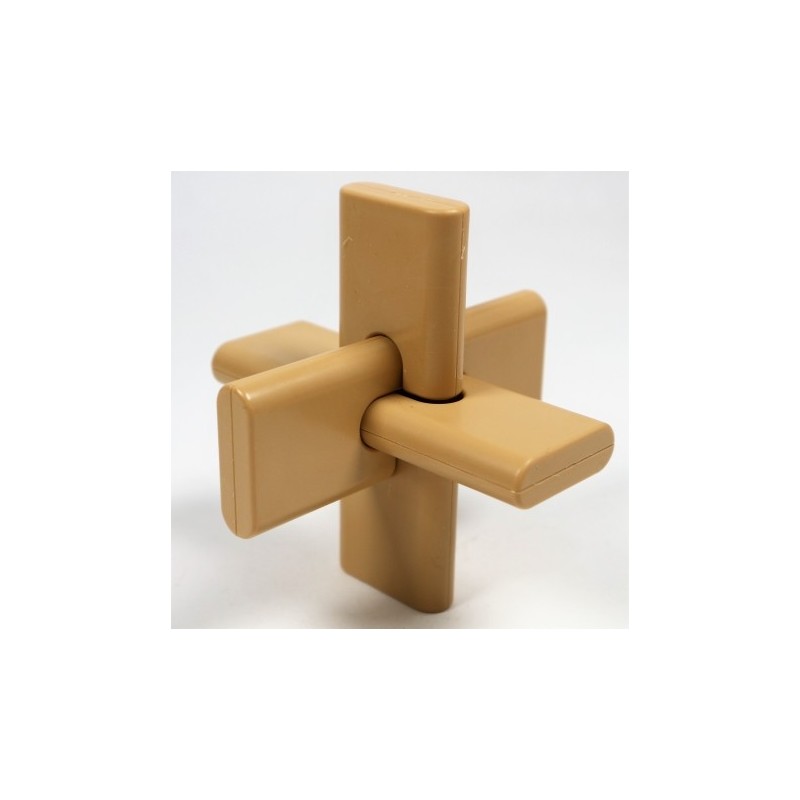
QiYi Kong Ming Lock Three Connection Big Triple

QiYi Luban Sphere Kong Ming Lock 65mm ABS

QiYi Kong Ming Lock Twenty-four Locks
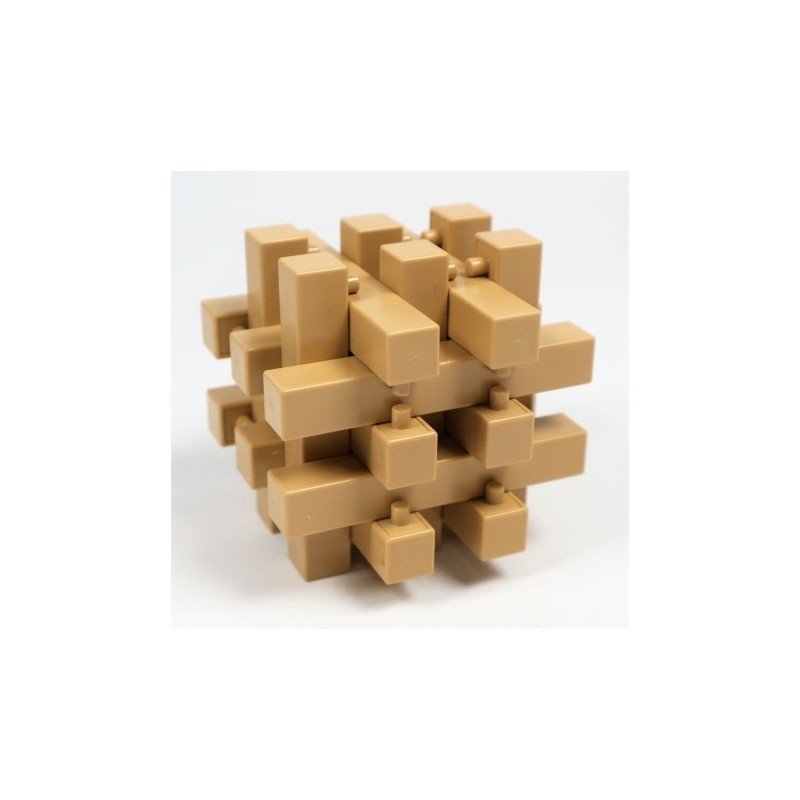
QiYi Kong Ming The 18 Arhats 8003 71mm ABS
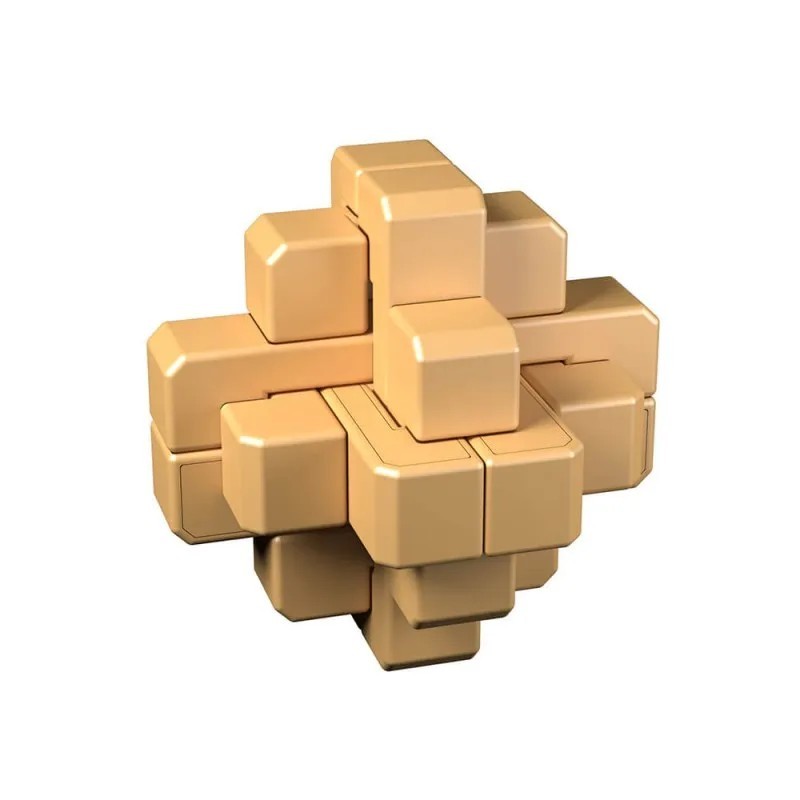
QiYi Kong Ming Lock Blockade
Contact our team for any clarification about this document. Contact us


