
How to choose a puzzle: guide by age, experience and use
How to choose the right puzzle: by age, by previous experience, by piece count and by final use. Concrete recommendations and common mistakes to avoid.
Choosing the wrong puzzle is the most usual reason it ends up in a drawer. Practical guide by age, experience, size and final use, with concrete recommendations.
An unsuitable puzzle is guaranteed disappointment: too easy bores, too difficult frustrates, too big takes up the table for half a year. This guide helps you choose the right puzzle according to who will assemble it, their experience, where and what for. Without clichés: just what differentiates a well-chosen puzzle from a poorly-chosen one.
Decisions to make
By age
General recommendations, may vary according to child\'s maturity:
| Age | Pieces | Type |
|---|---|---|
| 2-3 years | 2-6 large pieces | Wooden pieces or thick cardboard, simple images (animals, shapes) |
| 3-4 years | 12-24 pieces | Thick cardboard, recognisable scenes (vehicles, known animals) |
| 4-5 years | 24-60 pieces | Standard cardboard, scenes with details (the farm, the zoo) |
| 5-7 years | 60-100 pieces | Disney characters, children\'s maps, solar systems |
| 7-10 years | 100-300 pieces | Films, landscapes, photographs |
| 10-14 years | 300-500 pieces | More complex: cities, detailed maps, art |
| 14+ and adult | 500-2000+ | Any theme |
Important: the recommended age on the box is a guide. A 5-year-old with much practice assembles 100-piece puzzles; another at 7 may struggle with 60 if they have never done one. Adapt to the specific child.
By previous experience
For adult/teen, the most important factor is how many puzzles they have assembled in their life:
- Never or very few: 500 pieces with varied image (not much sky). Assembly time 4-8h, sense of achievement without overwhelm.
- Some puzzle a year: 1000 pieces. The adult standard. Assembly time 8-20h.
- Puzzles habitually: 1500-2000 pieces. Challenge without jumping to a long project.
- Regular hobbyist: 3000+ pieces or random cut (Cobble Hill) to vary the experience.
- "Collector" or passion: 5000+ pieces or premium wooden puzzles (Wentworth).
By piece count and time
A realistic time estimate according to average experience and difficulty:
| Pieces | Total time | Typical sessions |
|---|---|---|
| 500 | 4-8 h | 1-2 afternoon sessions |
| 1000 | 8-20 h | 1-2 weeks at 1h/day |
| 1500 | 15-30 h | 2-3 weeks at 1h/day |
| 2000 | 25-50 h | 1-2 months casual |
| 3000 | 50-100 h | 2-4 months casual |
| 5000 | 100-200 h | 4-8 months casual |
| 10,000 | 250-400 h | One-year project |
Time varies a lot with the image type: lots of sky or water doubles it; images with differentiated elements go faster.
By image type
The theme affects difficulty as much as the pieces:
- Easy — photographs with differentiated elements, cities with many details, scenes with identifiable characters and objects.
- Medium — landscapes with moderate sky and vegetation, art with varied colours.
- Hard — landscapes with large uniform sky or water zones, very uniform photographs (single-colour fields, pure sunsets).
- Very hard — "impossible" puzzles (all one colour, all white, circles without orientation). Only for very experienced.
An "easy" image in 1000 pieces can be faster than a "hard" one in 500. If you want a quick challenge, look for a hard image with fewer pieces; if you want long relaxed sessions, easy image with more pieces.
By final use
To assemble once and put away
Any brand, without glue. You disassemble it and store it in its box to gift again or resell.
To assemble and frame
Educa (includes glue) or Ravensburger + separate glue. Standard sizes 50×70 cm (1000 pieces) or 70×100 cm (1500-2000) to find compatible frame easily.
For family sessions
500-1000 pieces with varied image (city, scene with many characters, maps). Each member has "their" zone to assemble simultaneously.
To gift a franchise fan
Clementoni HQC with Disney/Marvel/Star Wars licence, or special Ravensburger editions. 1000 pieces is usually the most versatile format.
To decorate / unique piece
Wentworth or Ravensburger Wooden if budget allows. If not, a special Heye edition with author illustrator.
For collecting / investment
Numbered limited editions, Wentworth or small-brand puzzles with short runs. Collecting value is very niche; research before buying "for investment".
By recommended brand
- If you don\'t want to think much: Ravensburger. You\'ll get it right.
- If you want to save without losing quality: Educa or Clementoni HQC.
- If you like illustration with personality: Heye.
- If you like art: Schmidt or Ravensburger Art Collection.
- If you want something different: Cobble Hill (random cut).
- If it\'s a special gift: Wentworth or a wooden puzzle.
Detailed analysis of each brand in best puzzle brands.
If it\'s a gift
Three classic mistakes when gifting a puzzle:
- Gifting too many pieces to someone inexperienced. A 2000-piece to someone who has never assembled one ends up unopened or unfinished.
- Gifting a theme that\'s not the recipient\'s. A Tuscany landscape to someone who loves cats: they probably prefer cats.
- Gifting without thinking about space. A 3000-piece needs a dedicated table for weeks. Not everyone has it.
Simple rule: 500-1000 pieces in an image the recipient will love rarely fails. If they\'re very keen, go up to 1500 or consult first.
Common mistakes when choosing
- Buying cheap to try. A €6 unknown-brand puzzle frustrates more than motivates: soft cardboard, pieces that don\'t fit. Better €12 from a decent brand.
- Choosing a puzzle of pure sky or pure water to start. Frustration will come quickly.
- Looking only at the pieces, not the image. 1000 pieces of sky is much harder than 1500 of a detailed city.
- Not thinking about space. A 2000-piece Ravensburger measures approximately 98×75 cm. Do you have table for that for 1-2 months?
- Buying an expensive wooden for daily use. They\'re to keep, not to assemble and dismantle a lot.
Frequently asked questions
What\'s the best first adult puzzle purchase?
500 pieces from Ravensburger or Educa with varied image (not much sky). You finish in one or two sessions, you know if it grabs you, and you\'ve invested little if not.
How many pieces for a child of X years?
Approximate: age × 8-10 pieces (5-year-old → ~50 pieces). But adapt to the specific child: with previous experience, can go up; without it, start with less.
Better 1000 small pieces or 500 large?
Depends on use. Large pieces for beginners and children (better handling); small pieces if you want more detail and have experience.
Is a 5000-piece puzzle worth it?
Only if you\'re serious: you need dedicated table for months and lots of patience. Your first adult puzzle shouldn\'t be 5000 pieces.
What do I do if I lose a piece?
Educa has free lost piece service. Ravensburger too, in some countries. For other brands, contact aftersales or, last resort, artisans reproduce pieces.
Brain Teaser Puzzles
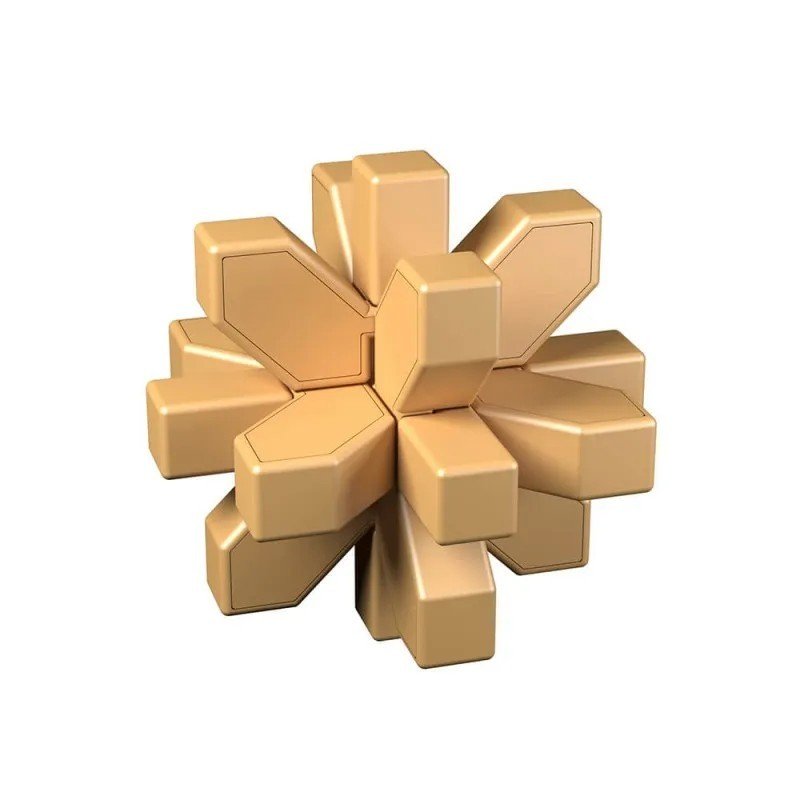
QiYi Blossom Lock Kong Ming Plastic Puzzle

QiYi Kong Ming Lock Ball

Ball in the Cage - Caged ball Kong Ming puzzle
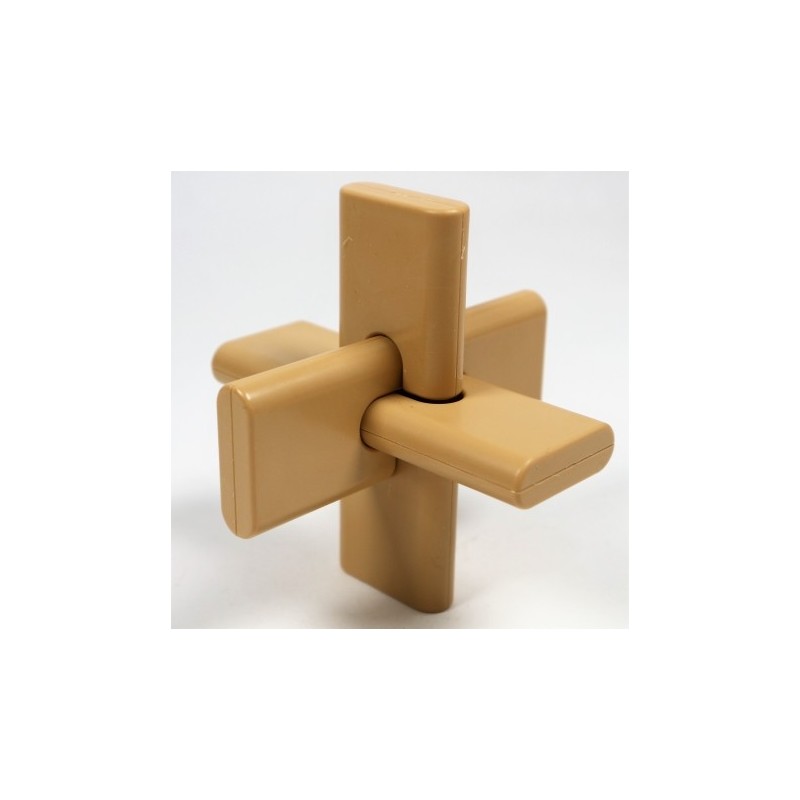
QiYi Kong Ming Lock Three Connection Big Triple

QiYi Luban Sphere Kong Ming Lock 65mm ABS

QiYi Kong Ming Lock Twenty-four Locks
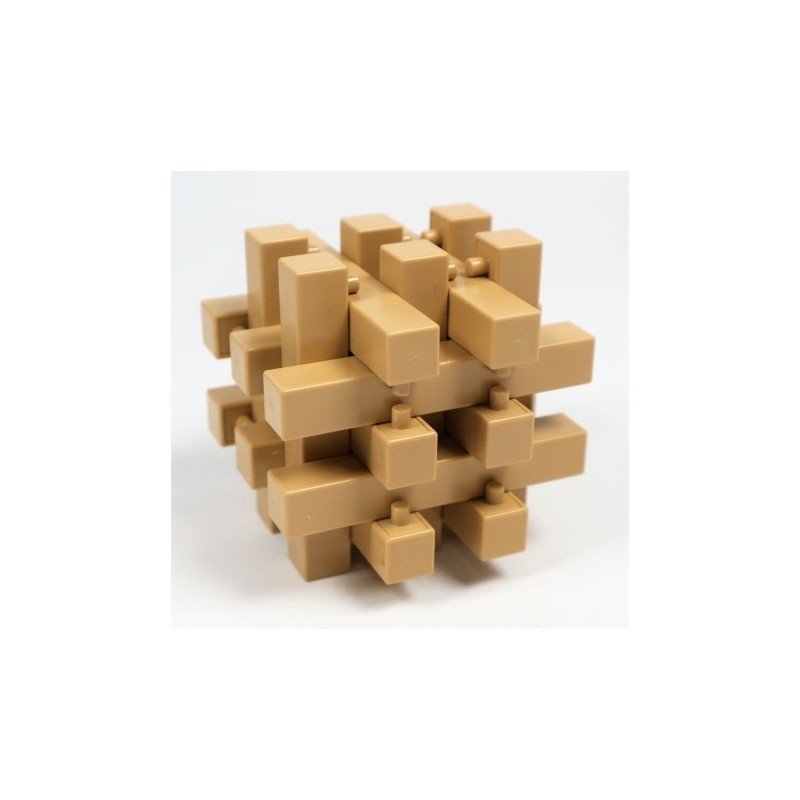
QiYi Kong Ming The 18 Arhats 8003 71mm ABS
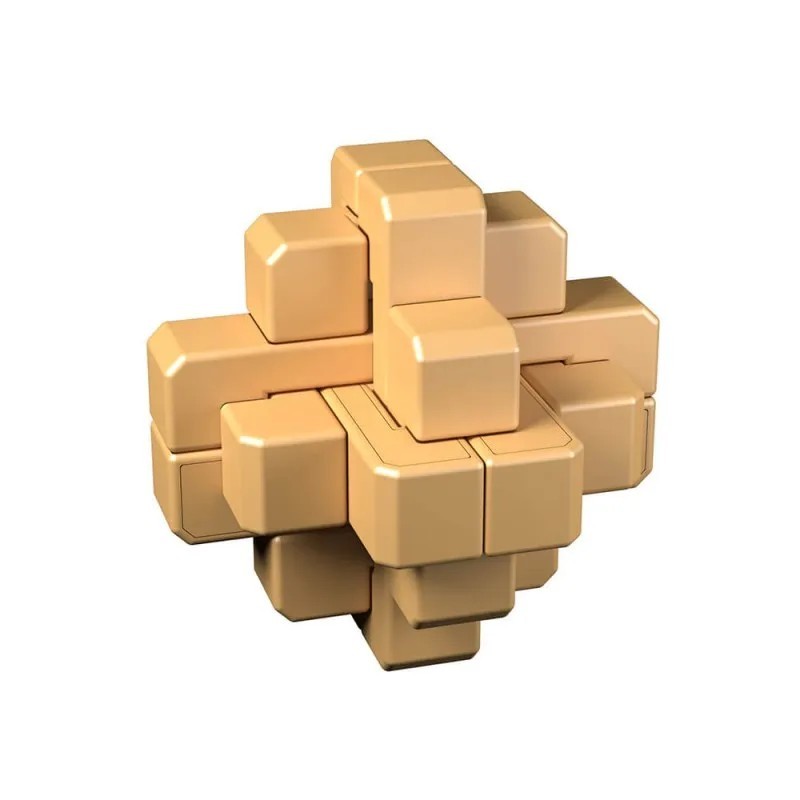
QiYi Kong Ming Lock Blockade
Contact our team for any clarification about this document. Contact us


