

Original Communion Gifts 2026: Ideas by Budget
Looking for original communion gifts in 2026? Honest ideas by budget (€15–€60+) and by personality: cards, kendamas, puzzles and fingerboards.
First communions come around every spring, and the gift question keeps repeating itself: watches, jewellery, money in an envelope. If you want something the child will actually use the week after the ceremony, here are ideas organised by budget and personality, with notes on what works and what doesn't.
Communion gifts in 2026 don't have to follow the classic script. Kids between 8 and 10 are at an age where hobbies start to click: dexterity games, logic puzzles, collecting. This guide groups concrete ideas by what you want to spend and by the kind of child you're shopping for, with the trade-offs explained so you don't end up with something that gathers dust.
Why move away from the classic communion gift
There's nothing wrong with a watch or a chain, but they tend to repeat across the guest list. A hobby-based gift has a different effect: it gives the child something to do, often something to share with friends or siblings, and it doesn't depend on the child already having a specific interest. The categories we'll cover (playing cards, kendamas, puzzles and fingerboards) share three things: they're tangible, they have a learning curve, and they don't need batteries or a screen.
That said, not every option fits every child. A kendama for a kid with zero patience can end up in a drawer. A 1000-piece puzzle for an 8-year-old who's never done one is frustrating. We'll flag these cases as we go.
Ideas around €15: small but useful
This is the typical budget for a cousin, a classmate or a complementary gift on top of something bigger. The aim here isn't to impress, it's to give something well chosen.
- A beginner deck of playing cards. A standard poker-size deck with good cardstock (Bicycle-type or similar) works for card games, simple magic tricks and cardistry basics. It's the kind of object a kid can carry in a backpack and pull out anywhere.
- An entry-level fingerboard. A wooden fingerboard with real trucks and bearings (not the plastic toy-shop kind) costs around this much. It's enough to learn ollies and basic flips on any flat surface.
- A small logic puzzle. Cast puzzles or wire-and-string disentanglement puzzles in the easy-to-medium range. Good for a child who likes a challenge but doesn't need it to last weeks.
Note: at €15 you're not getting a competition-grade kendama. Sub-€20 kendamas tend to have paint that chips fast and a sticky finish that helps beginners but wears off. If the child is into kendama specifically, it's better to wait and spend a bit more.

Ideas around €25: the sweet spot for first hobbies
This is where options open up. You can get something properly made without going into specialist territory.
- A beginner kendama. Around €20–€30 you find models with a balanced weight, a decent string and a finish that grips well for learning the first tricks (spike, candle, around the world). Brands aimed at beginners design the tama and ken proportions specifically so the basics come faster.
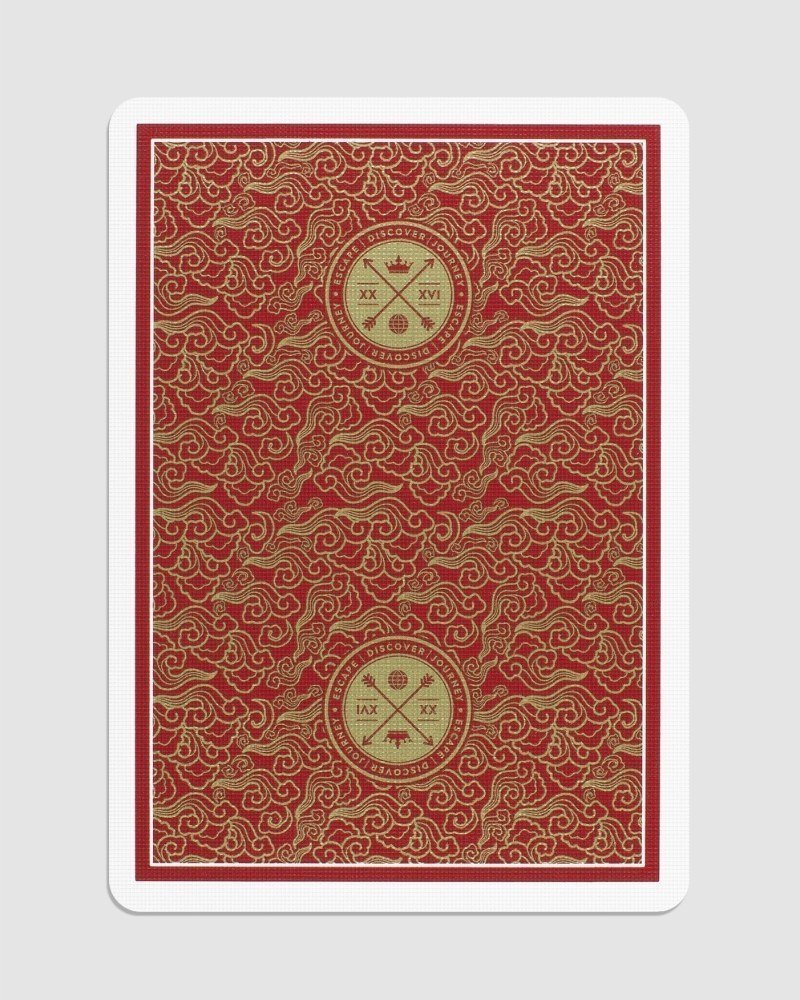
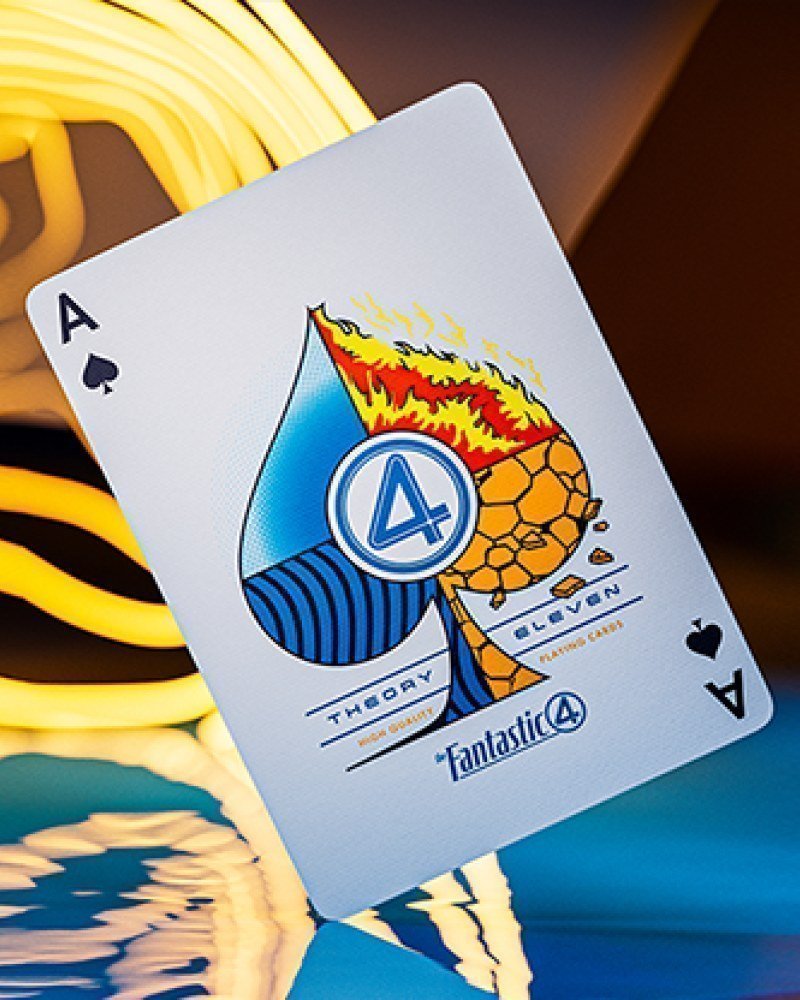
- A premium card deck or a small collection. Two or three themed decks (custom designs, limited editions in the affordable range) make a nicer package than a single deck and let the child pick favourites.
- A mid-level wooden puzzle. Sequential discovery puzzles, puzzle boxes with 3–5 steps, or 3D wooden puzzles. They take an afternoon to a weekend to solve, which is about right for this age.
- A fingerboard with ramps. A deck plus a small obstacle (rail, ledge or mini ramp) gives the child something to actually practise with, not just the board on its own.
Did you know decks like these exist?
At heart, every deck has the same cards. What changes is everything else: the design, the finish, metallic inks or gilded edges. Take a look at our catalogue and bring your own style to the card table.
Browse our playing cards →





Ideas around €40: gifts with more depth
At this level you're giving something that lasts longer and grows with the child. It's a reasonable budget for an uncle, aunt or godparent.
- A solid kendama with a spare tama. A model from a recognised brand, plus a replacement ball in a different colour. Tamas get scuffed with use, so having a spare extends the life of the gift considerably.
- A puzzle set across difficulty levels. Three or four logic puzzles that escalate: one easy to build confidence, one medium, one harder. This way the child doesn't hit a wall on day one.
- A starter cardistry or magic kit. A couple of quality decks plus a beginner book or guide. Cardistry (the visual flourish side) and basic magic are two different paths; pick based on what the child seems drawn to.
- A fingerboard setup. Pro-level wooden deck, real trucks, bearing wheels and a small park or ramp set. Closer to a small skateboard than a toy.
Ideas from €60 upwards: for godparents or grandparents
When the budget allows, you can put together something more complete or pick a single higher-end item.
- A complete kendama pack. A pro or pro-replica kendama, a carrying bag, replacement strings and a couple of spare tamas. Enough to last a couple of years of regular use.
- A serious puzzle box or a complex sequential puzzle. Japanese-style puzzle boxes, high-end metal puzzles or limited-edition designs. These can take days or weeks to solve and often become a display piece afterwards.
- A curated card collection. Five or six decks across styles (classic, cardistry-focused, art editions) presented together. Good for a child who's already shown interest in cards.
- A full fingerboard park. Pro deck plus a modular park with several obstacles. This is closer to a long-term hobby setup than a one-off gift.
Matching the gift to the child's personality
Budget is one axis, personality is the other. A quick guide:
The patient, focused child
Logic puzzles and puzzle boxes work well. They reward sitting down and thinking. Sequential discovery puzzles are particularly good because each step gives a small reward.
The restless, physical child
Kendama or fingerboard. Both involve movement, repetition and visible progress. Kendama is more whole-body; fingerboard is finer motor skill and can be done sitting down, which some parents appreciate.
The social, performer-type child
Playing cards. Card games are inherently social, and even basic magic tricks give the child something to show family and friends. Cardistry videos are easy to find online for visual learners.
The collector
Card decks (especially themed or limited editions) and puzzles both feed a collecting instinct. A starter set with room to grow tends to work better than a single high-end item.
Practical tips before buying
- Ask the parents discreetly if the child already has something similar. Three kendamas on the same day is a common scenario.
- Check the age recommendation, especially with puzzles. Difficulty ratings vary between brands.
- Avoid very cheap versions of specialist items. A €5 kendama or a €3 fingerboard usually frustrates more than it helps. Better to pick a different category than to go too low-end.
- Include a small note explaining what it is if you're giving something the family might not recognise. A puzzle box without context can look like a decorative object.
How much does a deck of cards cost?
From €5 to over €100. The 52 cards and the rules stay the same; this is what changes.
 To play€5.95 To play€5.95 |  Designer€12.95 Designer€12.95 |  Premium€17.99 Premium€17.99 |  Collectible€34.94 Collectible€34.94 | |
|---|---|---|---|---|
| Typical price | €5-9 | €9-15 | €15-30 | €30 or more |
| What sets it apart | Classic casino design | Artist illustration on back and faces | Special inks, embossing and foil on the box | Limited print runs and gilded edges |
| Who it is for | Games at home | Playing with something beautiful | Gifts or cardistry | Collecting and display |
| Example | Tally-Ho Fan Azul | theory11 Medallion | The Sandwich Series (Luncheon Meat) | Kings Wild LOTR Two Towers Gilded |
| See decks | See decks | See decks | See decks |
Frequently asked questions
What's a reasonable budget for a communion gift in 2026?
It depends on the relationship. Classmates and distant relatives usually stay in the €15–€25 range; uncles, aunts and close family tend to go €40–€60; godparents and grandparents often go higher. There's no fixed rule, and a well-chosen €20 gift can land better than a generic €100 one.
Is a kendama suitable for an 8-year-old beginner?
Yes, as long as it's a beginner-friendly model. Look for kendamas with a tacky or matte finish (easier to land the ball) and a balanced weight. Avoid pro models designed for advanced tricks, as the slick finish makes the basics harder.
Are logic puzzles too difficult for this age?
Not if you pick the right level. Most brands rate their puzzles from 1 to 5 or 1 to 10. For a first puzzle, stay in the lower-middle range. The goal is for the child to solve it eventually, not to be defeated by it.
What's the difference between a toy fingerboard and a real one?
A real fingerboard has a wooden deck (usually 5-ply maple), metal trucks with real bushings, and bearing wheels. Toy versions have plastic decks and fixed wheels. The price difference is noticeable, but so is the experience: only the real ones allow actual tricks.
Can these gifts work for girls and boys equally?
Yes. None of these categories are gendered by design. Card decks come in every aesthetic, kendamas in every colour, puzzles span all themes. Pick based on the child's interests, not on assumptions.
What if the child already has one of these?
Expansions usually work: extra decks for someone who already has cards, a spare tama or a new kendama colour, an additional puzzle at a higher difficulty, or ramps and obstacles for an existing fingerboard. It's often safer than starting a new hobby from scratch.
Contact our team for any clarification about this document. Contact us


