
Fingerboard: complete guide | What it is, parts, brands and basic tricks
Complete fingerboard guide: what it is, parts (deck, trucks, wheels, tape), brands (Berlinwood, Blackriver, Tech Deck), basic tricks and obstacles.
Fingerboard is skateboarding in miniature played with the fingers: a ~32 mm skateboard with real trucks, wheels and grip tape. What it is, parts, pro brands and basic tricks.
The fingerboard is a miniature skateboard (typically 32 to 34 mm wide) operated with the index and middle fingers instead of the feet. It reproduces with surprising fidelity the mechanics of real skateboarding: deck with concave, trucks with kingpin, wheels with bearings and grip tape that gives the fingers traction. What started as a 90s keychain toy has become a discipline with premium brands, scaled obstacles and a global community. This guide sums up what it is, how it's built and how to start.
In this guide
What a fingerboard is
A fingerboard is a functional replica at scale (~1:8) of a real skateboard. You operate it with two fingers: one on the back end for "ollies" (pop) and another at the front to guide. It lets you execute most real skateboard tricks (ollie, kickflip, heelflip, grinds, slides) on scaled obstacles (ramps, boxes, rails, bowls). It's not just "skateboard toy": at its pro range it's a fine-motor skill discipline with championships and an active community.
Short history
- 70s-80s: First keychains shaped like tiny skateboards appear, designed as decoration.
- 1985: Lance Mountain (pro skater) builds functional fingerboards to pass time in hotels; briefly appears in industry magazines.
- 1998: Steven Asbell and Peter Asher found Tech Deck in the US: fingerboard as mass-consumer product, with licences from real skate brands (Element, Plan B, Zero…).
- 1999: Martin Winkler founds Berlinwood in Berlin: the first "pro" maker of pressed-wood and custom decks.
- 2003: Blackriver Ramps appears: scaled ramps and obstacles, fundamental for fingerboard's development as a discipline.
- 2008+: Global pro brands grow: FlatFace, BRR Trucks, Oak Wheels. International conventions (Rendezvous, Fast Fingers BFFS) consolidate the community.
Parts of the fingerboard
| Piece | Function | Detail |
|---|---|---|
| Deck | Main body | Pressed wood (maple) in pro range; plastic in Tech Deck. Typical widths 29-34 mm. |
| Trucks | Axles that hold the wheels | Metal in pro range, with adjustable kingpin. Reference brands: BRR (Blackriver), Y-Trucks. |
| Wheels | Allow rolling | Urethane in pro range (Oak, Substance) with real bearings. Diameters 7-8 mm. |
| Bushings | Rubbers inside the trucks | Regulate the hardness of the turn; interchangeable. |
| Tape | Grip surface | Thin adhesive foam in pro (FlatFace, BRR); fine-grit sandpaper in toy range. |
| Screws | Fasten trucks to deck | 4 per truck. |
Fingerboards, ramps and accessories
Complete boards, trucks, wheels and ramps to build your own park.

 Fingerboard Completo Blackriver: Anchor Black Set X-Wide 33.3mm
 Fingerboard Completo Tech Deck: Girl RD
 Herramienta Fingerboard Bollie: Tool BK
 Blackriver Ramps: Ironrail Round Gold
Brands: from toy to pro
| Brand | Origin | Range |
|---|---|---|
| Tech Deck | US, 1998 | Mass market (plastic deck); licences from real skate brands |
| Berlinwood | Germany, 1999 | Pro; hand-pressed wooden decks; various widths and shapes |
| Blackriver (BRR) | Germany | Pro trucks, reference obstacles and parks |
| FlatFace | US | Pro decks and wheels; strong presence in competition |
| Oak Wheels | US | Pro urethane wheels; quality standard |
| Bollie | Germany | Pro decks; European alternative to Berlinwood |
| Substance | International | Pro wheels and accessories |
| Y-Trucks | Germany | Pro trucks alternative to BRR |
Key difference: a Tech Deck costs €5-10 and works to get started; a complete pro setup (Berlinwood + BRR + Oak + FlatFace tape) is in the €60-100 range. The difference shows up immediately: the pro deck has real concave, proper weight and consistent response that plastic can't match.
Basic tricks in order
- Ollie: the fundamental trick; jump by "popping" with the rear finger and dragging the front. Without an ollie, nothing else.
- Shove-it: the deck spins 180° horizontally without you flipping.
- Kickflip: the deck rotates longitudinally (around its long axis) during an ollie.
- Heelflip: kickflip but rotating to the other side.
- Pop shove-it: combines ollie + shove-it: jump + horizontal rotation.
- Grinds: the trucks slide along an edge (50-50, nosegrind, 5-0, smith).
- Slides: the deck slides along an edge (boardslide, noseslide, tailslide).
- Manuals: balancing on the rear or front wheels.
The order matters: without a consistent ollie, kickflip leads to frustration and to bad technical habits. Most serious tutorials recommend 1-2 weeks devoted just to the ollie before moving on.

Obstacles and parks
Scaled obstacles are what turn fingerboard into a discipline, not a toy:
- Boxes: square or rectangular for grinds and slides; Blackriver, FlatFace.
- Ramps / quarterpipes: for airs and stalls.
- Funboxes: combinations of ramp + box.
- Bowls and miniramps: for miniature bowl skating.
- Stairs and rails: staircases with rail for descending grinds.
- Complete parks: scaled replicas of real skateparks (Blackriver has several famous ones: Tehas, MUC, Hollywood High).
A minimum starter setup includes a small box and a small ramp; with that you already practise most tricks. Brands like Blackriver, FlatFace or BRR make real-wood obstacles (not plastic) that last years.
How to pick your first one
- If you just want to try: a €6-10 Tech Deck is enough for the first ollies and to see if it grabs you. Purists won't recommend it, but as an initial filter it works.
- If you're going for it: full pro setup (Berlinwood or FlatFace deck, BRR or Y-Trucks, Oak wheels, FlatFace tape). Initial outlay €60-100, but the response difference is noticeable from the first ollie.
- Deck width: 32 mm is the most popular standard; 29 mm for small fingers, 34 mm for those coming from real skate.
- Tape (grip): foam tape is the most used pro for grip and comfort; real sandpaper if you want a more realistic feel but less comfort.
- Obstacles: start with a small box and a quarterpipe before a full park.
Fingerboard | Pro Shop Online
Blackriver Ramps: Ironrail Round Gold

Blackriver Ramps: Ironrail Square Silver

Blackriver Ramps: Ironrail Square Gold

Blackriver Ramps: Brick Block

Blackriver Ramps: Double Manual Pallet
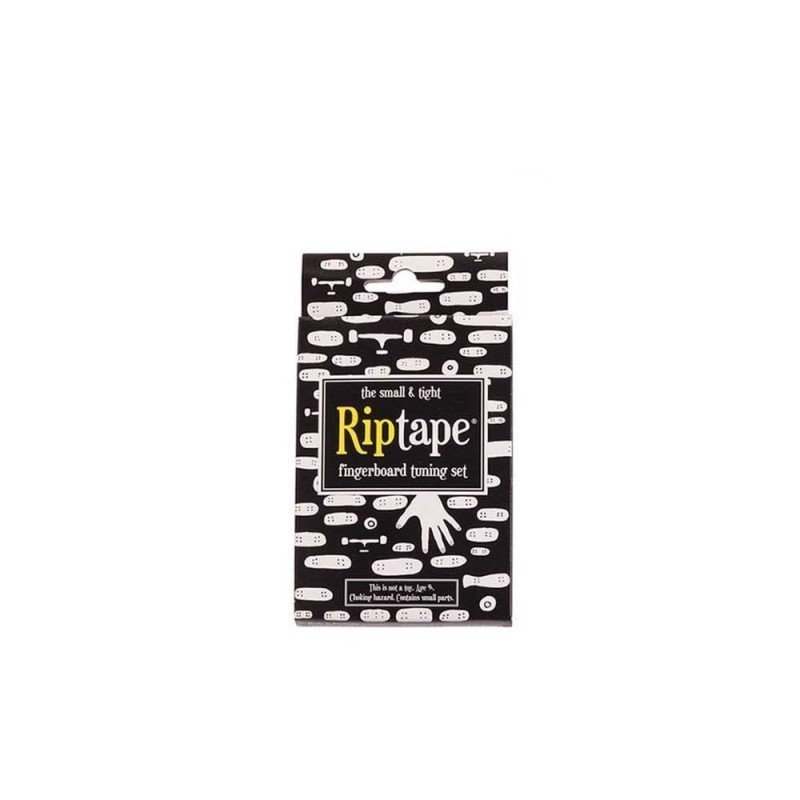
Riptape Fingerboard Classic - Precortada

Fingerboard Tool Bollie

Blackriver Fingerboards: First Aid Screws black
Contact our team for any clarification about this document. Contact us


