Cardistry Tricks: 30 step-by-step video tutorials
Learn cardistry from scratch: 30 tricks sorted by level with video tutorial. Charlier, Sybil, Pandora, Anaconda, LePaul Spread and more. For beginners and pros.
Thirty verified tricks sorted by level, with video tutorial and description. From the most basic cuts to the iconic flourishes by Dan and Dave Buck.
Beginner
The foundations of any cardist. One-handed cuts, springs, basic fans. Before thinking about flashier stuff, you have to spend many hours with these. The good news: with 15 minutes a day and a decent deck, you'll have them in weeks.
Basic Grips
Before any trick, there are two ways to hold the deck: mechanic (held between thumb and fingers on the sides) and biddle (with thumb on one corner and fingers on the opposite). Knowing both well is the foundation of everything else.
Riffle Shuffle
The classic American shuffle: split the deck in two halves, face them, and let the cards fall alternating with your thumbs. Appears in every poker movie and is the foundation of any more complex shuffle.
Charlier Cut
The first cut everyone learns: with one hand, you let the top half fall by gravity while the bottom passes in front with the index finger. Sounds simple until you actually drop cards more than you would like.
Swing Cut
A two-handed cut where the top half "travels" in a short arc to the other hand. The simple and elegant version of the lifelong cut, designed as an entry to more complex things.
Swivel Cut
A variant of the Swing Cut where the top half rotates on itself as it travels. Still accessible for beginners and adds an interesting visual touch.
Revolution Cut
Another one-handed cut. The top half pivots on the index finger and the bottom passes behind. Natural next step after Charlier, and opens the door to all revolution variants.
Spring
The most recognizable trick in cardistry: with the deck in one hand, you cascade the cards toward the other. The "tring tring" everyone associates with a professional magician.
Dribble
You let the cards fall one by one in a controlled drip, hand to hand. Foundation for many elegant closings and looks very clean with a deck in good shape.
Thumb Fan
Opening a fan of cards with the thumb. Sounds easy until you try: the fan needs to be symmetric and clean. Mandatory base in magic and cardistry.
Smear Fan
A fan variant where you open with a wider movement, like "spreading" the table or the other hand. Looks more visual and lets you collect it various ways.
Ribbon Spread
Spreading the cards in a line on a table, forming a uniform ribbon. Base for any table display and looks great on video.
Scissor Cut
A two-handed cut where halves "cross" in a scissor-like motion. The name says it all and the result is one of the most elegant cuts at lower intermediate level.
Hot Shot Cut
The first aerial cut: you throw the top card up in the air while cutting the deck, and catch it just when squaring up. Has that touch of "wow" without being too hard to learn.
Five Faces of Sybil
A two-handed display that opens the deck into five packets and then reassembles them. The first "real" trick beginners see and the one most associated with modern cardistry.
Intermediate
Here you start seeing what you recognize from videos. Sybil, Boomerang, Tornado, LePaul Spread. They require having the beginner ones automated because they combine several elements. The level where most people give up, so patience.
WERM
Acronym for "Walking on the Edge of the Ridiculous Move". Created by Dan and Dave Buck, it is a display that opens the deck into four packets with a characteristic spin.
Faro Shuffle
The perfect shuffle: both halves interleave card by card. Heavily used in magic (8 consecutive faros return the deck to original order) and as visual display in cardistry.
LePaul Spread
An arc spread done with a "spring" of the cards instead of extending with the hand. Very elegant and one of the few spreads done in the air rather than on a table.
Boomerang
A classic Dan and Dave Buck cut where a packet describes a wide arc before returning to position. The name says it all and is one of the intermediate cuts most seen on videos.
Easy Endless 2-Handed Cut
A continuous cut that can be repeated indefinitely without losing rhythm. Serves as transition between bigger tricks and is learned relatively fast.
Ballad
A soft and melodic two-handed cut, hence the name. Four packets that reorganize with an almost paused flow, ideal for calm cardistry videos.
Ambush
A two-handed cut where one packet "attacks" the other with a fast spin. Easy to learn, looks great and a favorite for beginners who want something flashier than a Swing.
Alt-Z
A Z-shaped two-handed cut where packets swap positions. Adds clean geometry and often appears in combos as transition.
One-Handed Spin Cut
A one-handed cut where the packet spins on the thumb like a propeller. Foundation for many more complex one-handed tricks.
Spindash
Created by Jaspas Deck, this cut spins a packet at high speed on the palm before reassembling. One of the favorites for cardists looking for energetic moves.
Tornado Cut
A Virts cut where the entire deck describes a tornado-like rotation before reassembling. Visually powerful and a classic of the intermediate-advanced repertoire.
Sybil Cut
The mythic cut by Chris Kenner published in "Totally Out of Control" (1992). Five packets that reorganize in a hypnotic sequence. The iconic trick par excellence and the litmus test of intermediate cardistry.
Advanced
Iconic tricks created by figures of world cardistry (Dan and Dave Buck, Bone Ho, Chris Kenner). Not learned without having spent months on the previous ones. Here we already talk serious cardistry.
Anaconda
Created by Bone Ho in 2007, this dribble extends the cards in a very long serpentine motion. Requires cards in perfect shape and hours of practice for the flow to be continuous.
Spin Sybil
Advanced Sybil variant where packets spin on themselves during transition. Next level of the classic Sybil, requires the original fully automated.
LePaul S Spread (Dan Buck)
Refined version of the LePaul Spread by Dan Buck in S shape. Combines the spring of the original with a curved motion that draws the letter in the air. One of the most recognizable spreads in contemporary cardistry.
Pandora
Emblematic flourish by Dan and Dave Buck published in "The Trilogy". Combines several packets with displacements and spins in a long and visually complex sequence. The final exam of intermediate-advanced cardistry.
Frequently asked questions
Do I need a special deck to start cardistry?
Not at first. A standard Bicycle works for the first months. Once you have the basics automated, switching to a cardistry-specific deck (Virtuoso, Fontaine, NOC) does make a difference because they are designed to open better.
How long does it take to learn the Sybil Cut?
Depends on how much you practice. With 20 minutes a day, the full Sybil (five packets in a row) usually comes out in 2-4 weeks. Doing it well and fluid takes several more months.
Does any deck work or do they have to be poker size?
Poker size (63x88mm) is the standard for cardistry because it allows better grip. Bridge cards are narrower and make some cuts harder. If you have the option, always poker.
Is cardistry the same as magic?
No. Card magic seeks to fool the spectator (impossible effects, card control). Cardistry is purely visual: no trick, just beautiful flourishes. Although they share cards, they are different disciplines with separate scenes.
Do cards break with so much practice?
Yes, they wear out. A deck of intensive practice lasts between 1 and 3 months depending on use. That is why cardists usually have several: a "new" one for videos and springs, another "broken in" for practicing movements where the new finish is not critical.
Learning cardistry from scratch
Cardistry is the art of doing visual flourishes with a deck of cards. Unlike magic, it does not seek to deceive: it seeks to look good. Each trick is a choreographic piece combining cuts, fans, dribbles and aerial movements.
The learning curve works in layers. The first tricks (Charlier, Swing, Spring, Dribble) are foundations that will appear within more complex movements. Without them automated, the next levels get stuck. That is why this page is sorted by levels: if you skip steps, you will get frustrated.
Which deck we recommend to start
A standard Bicycle works. After a couple of months, it is worth trying cardistry-specific decks (Virtuoso, Fontaine, Mechanic, NOC) designed to open better. You can see them in our cardistry decks section.
How much to practice per day
Twenty minutes a day beats two hours one day a week. Muscle memory is built with distributed repetition, not with marathons. If you only have time a few times a week, better short sessions than long ones.
Ready to grab a cardistry deck?
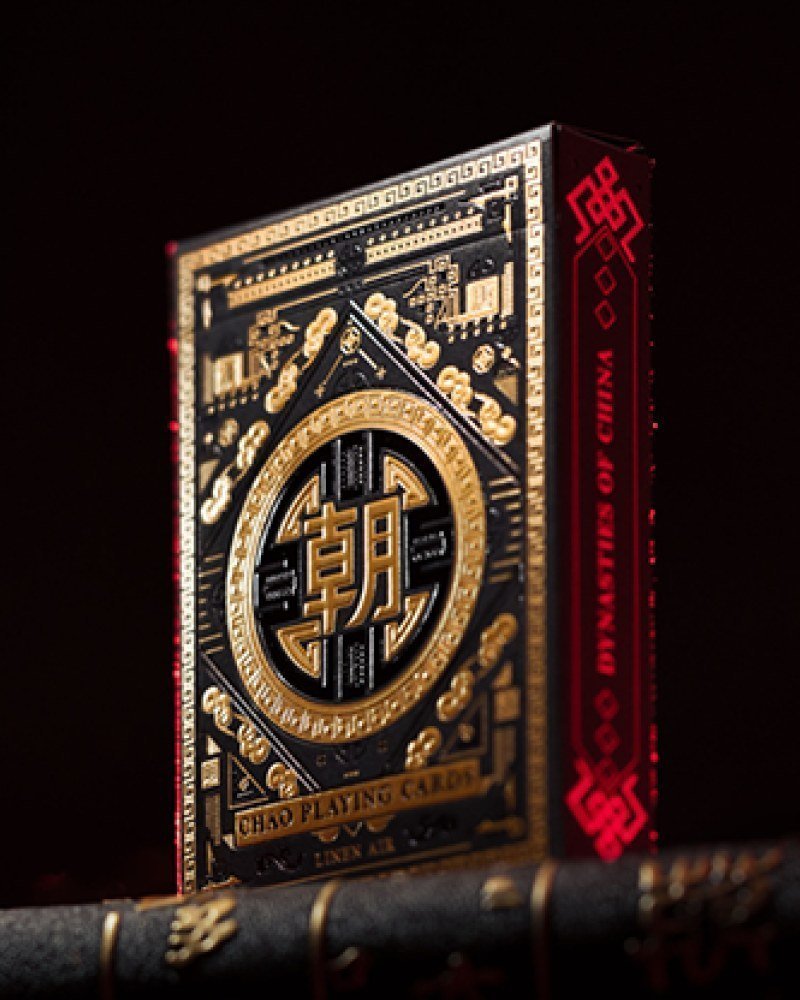
Yin Yang Chao
€18.97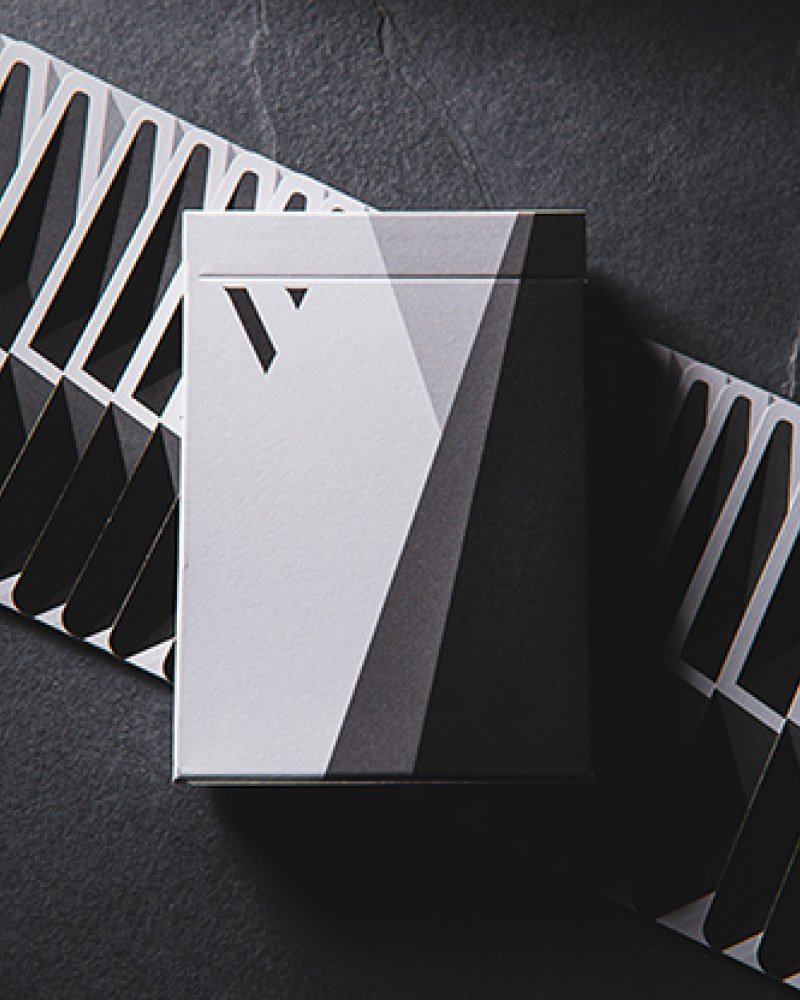
Virtuoso P1 Limited Edition
€18.97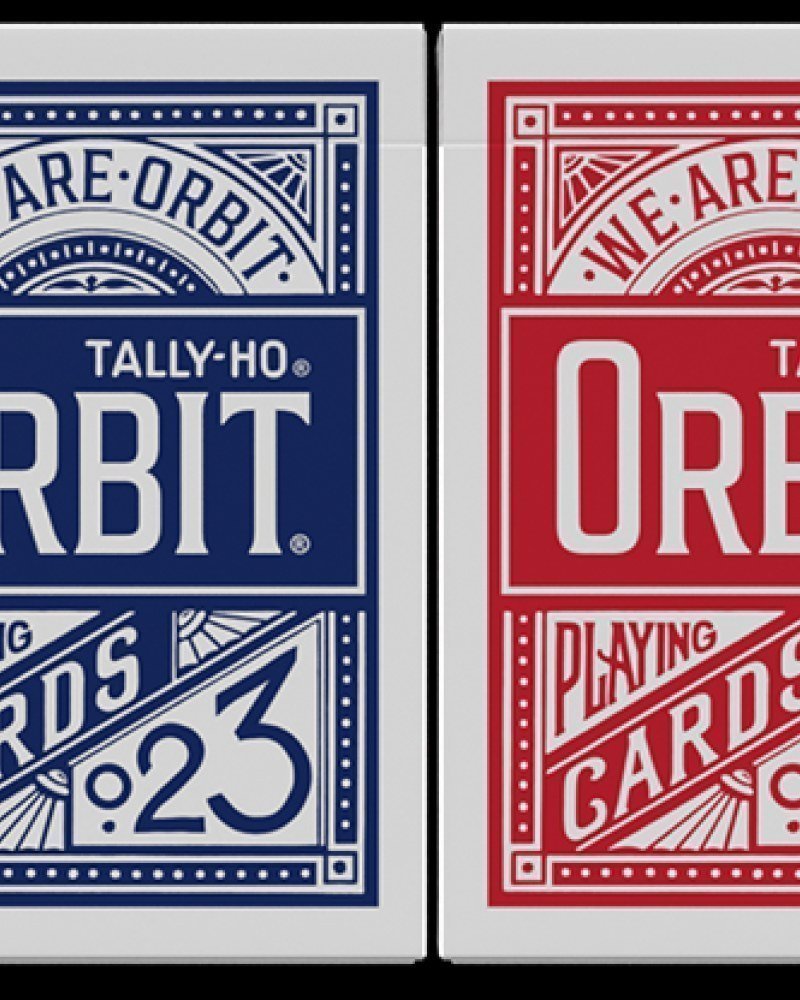
Orbit Tally-Ho Circle Back Blue
€14.01
Orbit Chroma Key
€14.01
Orbit Squintz
€11.53
Orbit Tally-Ho Circle Back Red
€14.01
Orbit Black Hole
€14.01
Orbit Christmas
€14.01
Orbit Christmas V2
€12.36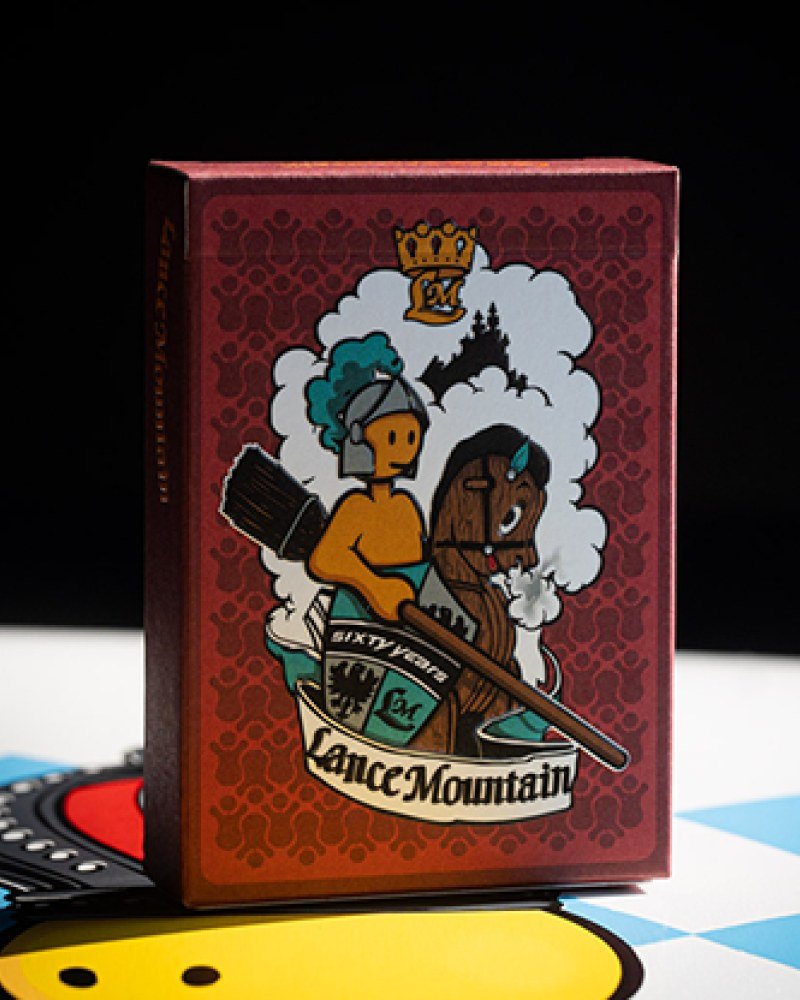
Fultons Lance Mountain Doughboy
€13.18Cardistry Decks

Lounge Edition Terminal Turquoise – Playing Cards

Lounge Edition Taxiway Yellow – Playing Cards

Cardistry Fanning Yellow Edition – Playing Cards

Bicycle MetalLuxe Orange – Playing Cards

Bicycle Neon Cardistry Orange Bump – Playing Cards

Bicycle Brown Back – Playing Cards
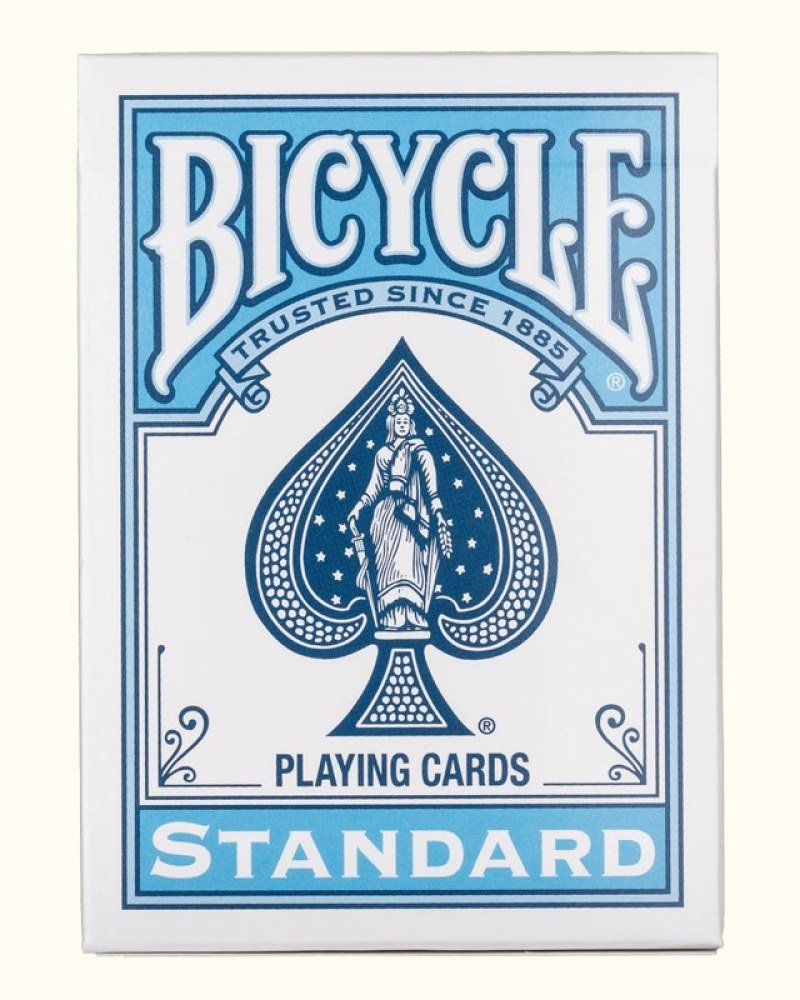
Bicycle Breeze – Playing Cards

Bicycle Purple Back – Playing Cards
Contact our team for any clarification about this document. Contact us


