
Cardistry: complete guide | What it is, history, moves and decks
Complete cardistry guide: what cardistry is, documented history (Dan and Dave Buck), cardistry vs magic, first-month plan, which deck to use, care tips, community and glossary.
Cardistry, in one sentence, is the art of doing visual flourishes with a deck of cards. This guide explains what it is, how it differs from magic, what deck you need, how to care for it and where to start learning.
Where cardistry comes from
Cardistry as a modern movement starts in the early 2000s. The key date is 2007, when American brothers Dan and Dave Buck publish "The Trilogy", the book that gives a common vocabulary and name to a discipline that was scattered until then. Traditional flourishes existed before (the Charlier Cut dates from the 19th century, the LePaul Spread is from the 50s), but cardistry as an independent discipline — with its own aesthetic, community and language — belongs to this century.
Today it is a global phenomenon. Active communities in Europe, the United States and especially Asia (Singapore with The Virts, Philippines with Bone Ho). Dedicated brands (Virtuoso, Fontaine, Mechanic, NOC), annual conventions like Cardistry-Con, and thousands of cardists uploading videos every day to Instagram, TikTok and YouTube. It is one of the creative disciplines that has grown the most in the last two decades.
Cardistry vs card magic: what makes them different
They share cards but seek different things, and it is worth being clear about the difference.
Magic seeks to deceive the spectator: a card appearing where it should not, transforming, being controlled without being noticed. The magician hides the method. The art is in what you do not see.
Cardistry is purely visual: there is no trick to hide. What you see is what it is. The art is in the choreography, not in the secret. That is why many cardistry videos are filmed from overhead angles that show EVERYTHING that happens — because there is nothing to hide.
There is historical overlap: many magicians use cardistry flourishes as a visual opening, and some cardists also do magic. But the two communities, in general, are independent with their own channels, brands and events.
What deck you need to start
This is the question that gets asked most. Short answer: a standard Bicycle works for your first months. It is cheap, accessible and has the USPCC "Air Cushion" finish that makes it a more than acceptable starting point.
As affordable alternatives with good handling, the community also recommends Aladdin 1001, Tally-Ho, Copag 310 or Aviator. All within the "good standard deck" range without yet going into cardistry-specific decks.
Once you have the basic movements automated (Charlier, Swing, Spring, Dribble, Thumb Fan), making the jump to a cardistry-specific deck does make a difference. These decks are designed with visually powerful backs that look great in motion, and with a finish meant to open fans and spreads cleaner.
The cardistry world references:
- Virtuoso — The brand by "The Virts", the Singaporean group. Very graphic designs made for video.
- Fontaine — Brand by Zach Mueller. Minimalist aesthetic, strong community around it.
- NOC — By HOPC. Clean design, accessible price, popular as a first "cardistry" deck.
- Mechanic — By The Mechanic Industries. Finish designed specifically for cardistry.
Ready to grab a cardistry deck?
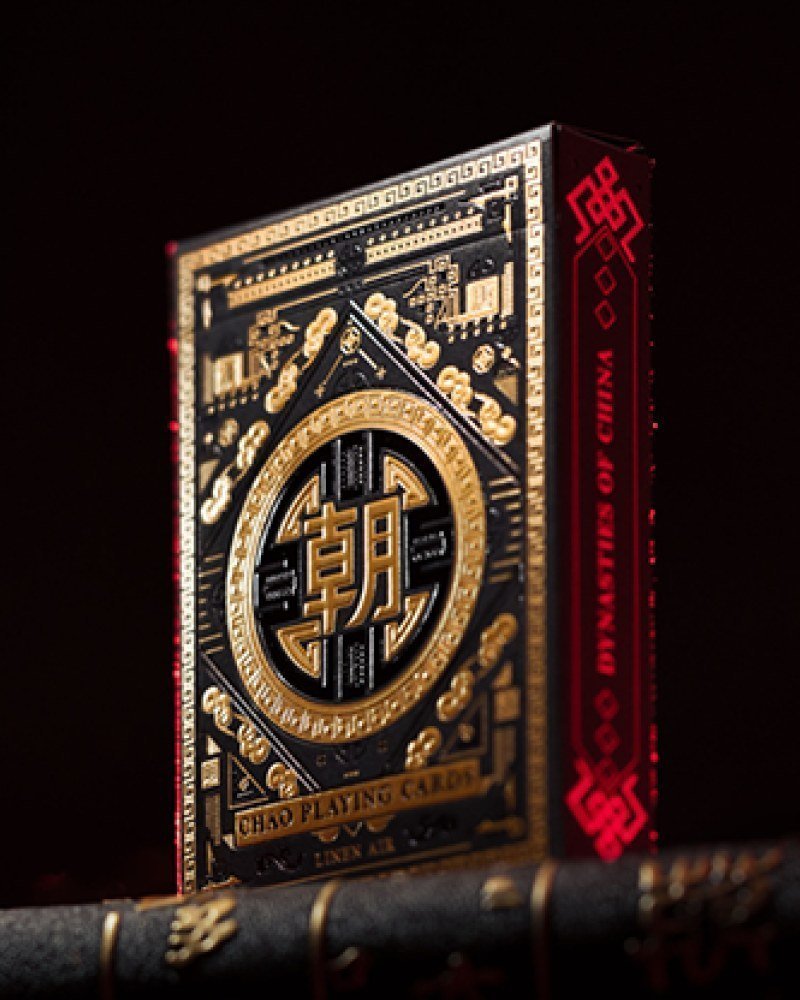
Yin Yang Chao
€18.97
Virtuoso P1 Limited Edition
€18.97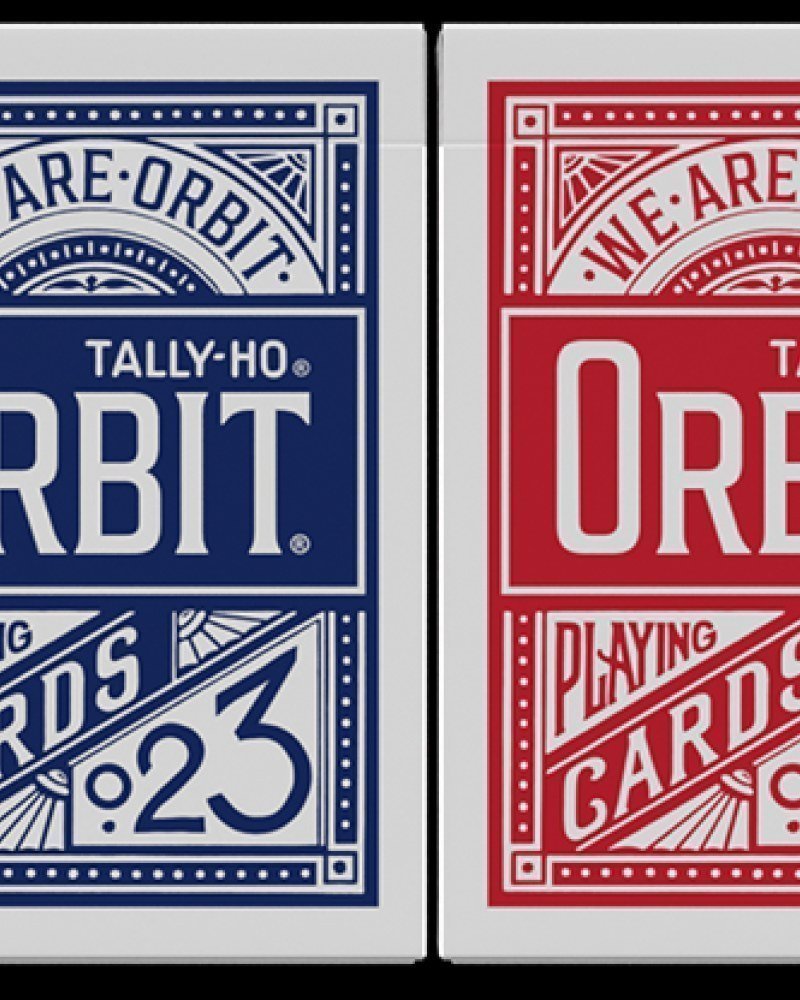
Orbit Tally-Ho Circle Back Blue
€14.01
Orbit Chroma Key
€14.01
Orbit Squintz
€11.53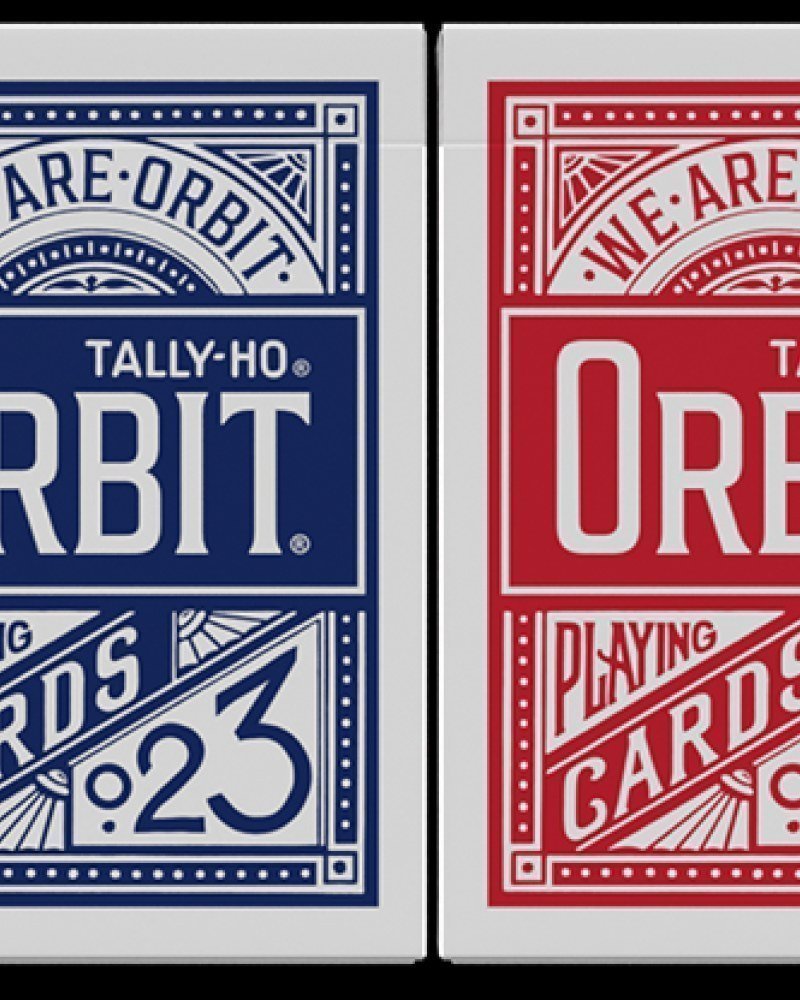
Orbit Tally-Ho Circle Back Red
€14.01
Orbit Black Hole
€14.01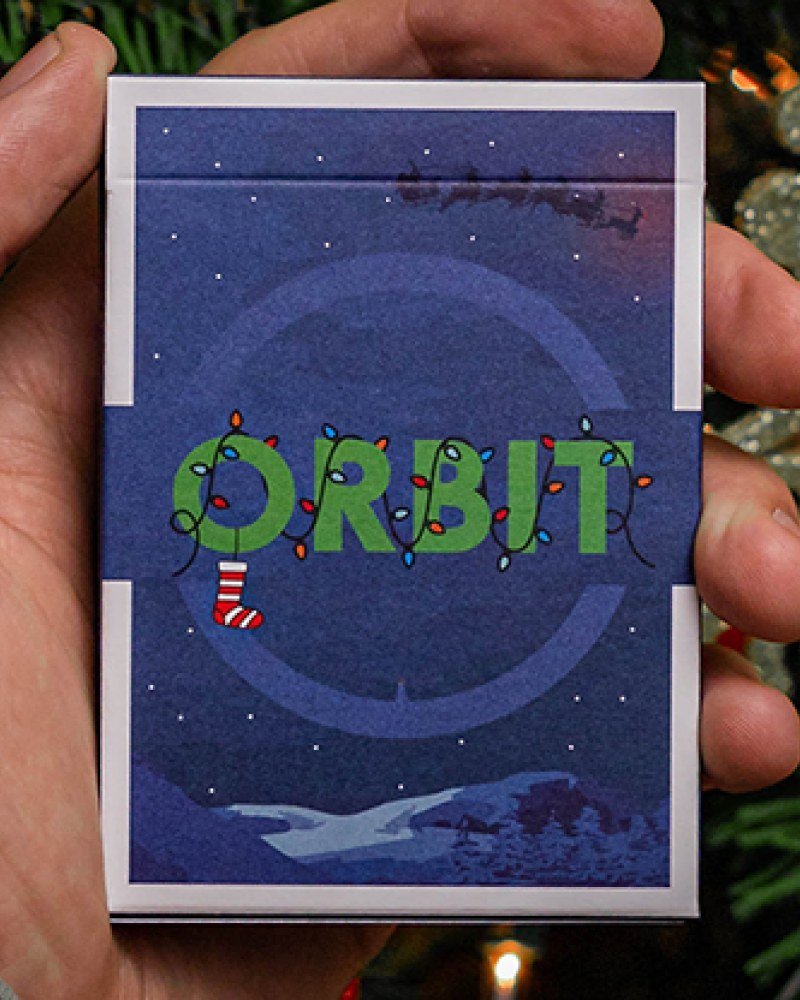
Orbit Christmas
€14.01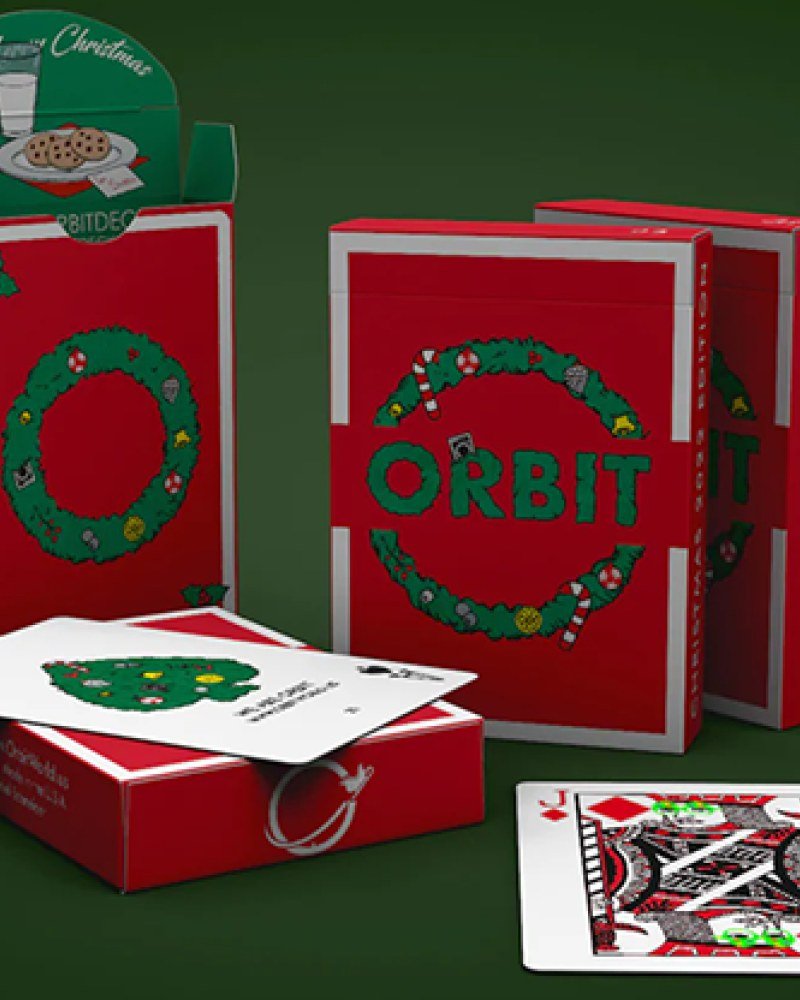
Orbit Christmas V2
€12.36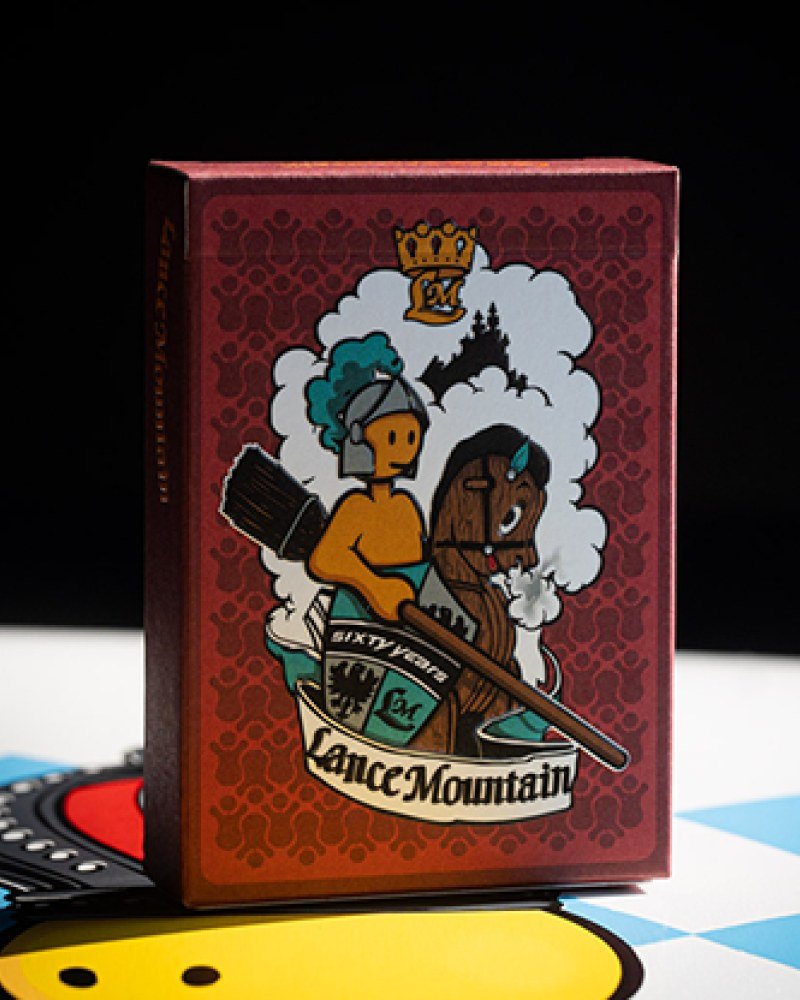
Fultons Lance Mountain Doughboy
€13.18You can see all of them in our cardistry decks section.
Deck size: poker vs bridgeWorld cardistry uses poker size (63x88mm). Bridge cards are narrower (56x88mm) and make some cuts harder, especially one-handed cuts that require covering the deck width well with the palm. If you have the option, always poker. The vast majority of tutorials assume this size and movements are choreographed for it.
Where to start: realistic plan for the first month
The typical mistake is wanting to do a Sybil Cut on day one. It does not work. The cardistry curve is strict: basic movements are foundations that will appear inside more complex movements. Without those foundations automated, the next levels get stuck.
Realistic plan for the first month:
- Week 1: Basic Grips (the two ways of holding the deck) + Charlier Cut. Just that. Until the Charlier comes out without thinking.
- Week 2: Swing Cut + Revolution Cut. Transition cuts that add vocabulary and build the sense of two-handed cutting.
- Week 3: Spring + Dribble. The "spectacle" movements that make you feel like you know something.
- Week 4: Thumb Fan + Ribbon Spread. Start with displays.
Twenty minutes a day. Yes, 20. More does not help at the start and gets frustrating. Less does not build enough muscle memory. Consistency matters more than volume.
When you have these 8 movements consolidated, you can dive into our dictionary of 30 tricks and start with the intermediate level.
Which hand to practice with?
Whichever feels comfortable. Most tutorials assume right-handed and show the position with the deck in the left hand, but there is no fixed rule. Some cardists practice with both hands to have more vocabulary; others only with the dominant one. The only thing that matters is that the starting position does not generate tension.
Practical tips for the first month
- Practice on top of a bed or sofa the first days. You will drop a lot of cards.
- Start slow. Speed is built on top of control, not the other way around.
- If your hand hurts, stop. It is not a strength sport, it is a precision one.
- Film your own practice from time to time. You will see mistakes you do not notice while executing.
- Do not alternate ten tricks at once. Master one before moving to the next.
How to care for your cards (and when to retire them)
Cards are consumables. A deck of intensive practice lasts between 1 and 3 months depending on use. These are the points where it is time to think about a new one:
- When they stick ("clumping"): two or more cards move as if they were one. Goodbye clean spreads.
- When they accumulate dirt: the finish blackens in the areas of most finger contact.
- When they lose the "spring": the spring comes out weak and faros no longer interleave clean.
To extend the life of a deck: clean hands (washing before practicing helps more than it seems), avoid humid or very dry environments, and rotate between several decks instead of burning one alone. "Card clips" (plastic clips) protect the deck when you do not use it, keeping cards flat. They are not essential but extend useful life.
Creating your own movements
The fun of cardistry is not just reproducing existing movements. Once you have basic vocabulary, many people start to improvise and create their own combinations. New movements often come from happy accidents or from mixing two known movements. Do not rush: creativity comes after mastering the fundamentals, not before.
Community and where to learn
Where to find content to keep progressing:
- YouTube — The main resource. Recommended channels: Lotus in Hand, School of Cardistry, Fontaine, Dealersgrip Tips, Cardistry Touch.
- Cardistry Hub — Community site with tricks lists classified by level and extensive FAQ.
- r/cardistry — Very active subreddit where videos, questions and news are shared.
- Instagram — Where most cardists post short clips. Search the #cardistry hashtag or accounts like @bestcardistalive.
- Cardistry Discord — Active community with channels by level.
- Cardistry-Con — Annual in-person convention. If you get seriously hooked, you should go at least once.
Quick glossary
Vocabulary that constantly appears in tutorials:
- Cut — Any movement that separates the deck into two or more packets and reassembles them.
- Display — Static pose showing several packets at once (e.g. Five Faces of Sybil).
- Spread — Extension of cards in a line or arc.
- Fan — Fan of cards.
- Spring — Controlled cascade of cards from hand to hand.
- Dribble — Drip of cards one by one from hand to hand.
- Aerial — Movement that involves throwing one or several cards in the air.
- Flourish — Generic term for "flourish". Almost synonymous with cardistry, although some purists distinguish between flourish (closer to magic) and cardistry (more modern and sporty).
- Packet — Each of the packets into which the deck is divided during a trick.
Frequently asked questions
How long does it take to see progress?
With 20 minutes a day, in a week you already have the Charlier Cut. In a month the Spring comes out fluid. The full Sybil Cut usually falls in an additional 2-4 weeks. The curve is slower from there: advanced movements can take months.
Do I need "long fingers" or big hands?
No. There are elite cardists with small hands. What matters is coordination, not size. Some specific movements may be more comfortable with longer fingers, but there are adapted versions of practically everything.
Is cardistry good for anything "practical"?
Honestly, no. It is a creative and meditative discipline, like juggling or yo-yo. Its value is the practice itself, not an external utility. Whoever seeks practical application is probably more interested in magic, where there is a concrete "use".
Is it expensive to start?
Not at all. A Bicycle deck costs 6-8 €. With that you have enough for the first months. When you want to make the jump to specific decks, a Virtuoso or Fontaine is around 12-15 €. The cost curve is very flat compared to almost any other creative discipline.
Are there cardistry competitions?
Yes, although they are not the center of the community. There are "battles" between cardists (one-on-one format with judges), and events like Cardistry-Con include competitive showcases. But unlike skateboarding or yo-yo, the scene is more collaborative than competitive.
My hand hurts while practicing, what do I do?
Stop immediately. Slight discomfort when adapting is normal the first days, but real pain means you are forcing something. It usually comes from gripping the deck too tight, bad thumb position or sessions that are too long. If it persists after resting, consult a doctor.
Next steps
When you finish this guide:
- Visit the dictionary of 30 tricks with video tutorial sorted by level.
- Explore our cardistry decks: Virtuoso, Fontaine, NOC and more.
- To start cheap, look at Bicycle Standard or Tally-Ho.
- If you come from magic, you may also be interested in magic decks or the Theory11 section.
Cardistry Decks

Lounge Edition Terminal Turquoise – Playing Cards

Lounge Edition Taxiway Yellow – Playing Cards

Cardistry Fanning Yellow Edition – Playing Cards

Bicycle MetalLuxe Orange – Playing Cards

Bicycle Neon Cardistry Orange Bump – Playing Cards

Bicycle Brown Back – Playing Cards
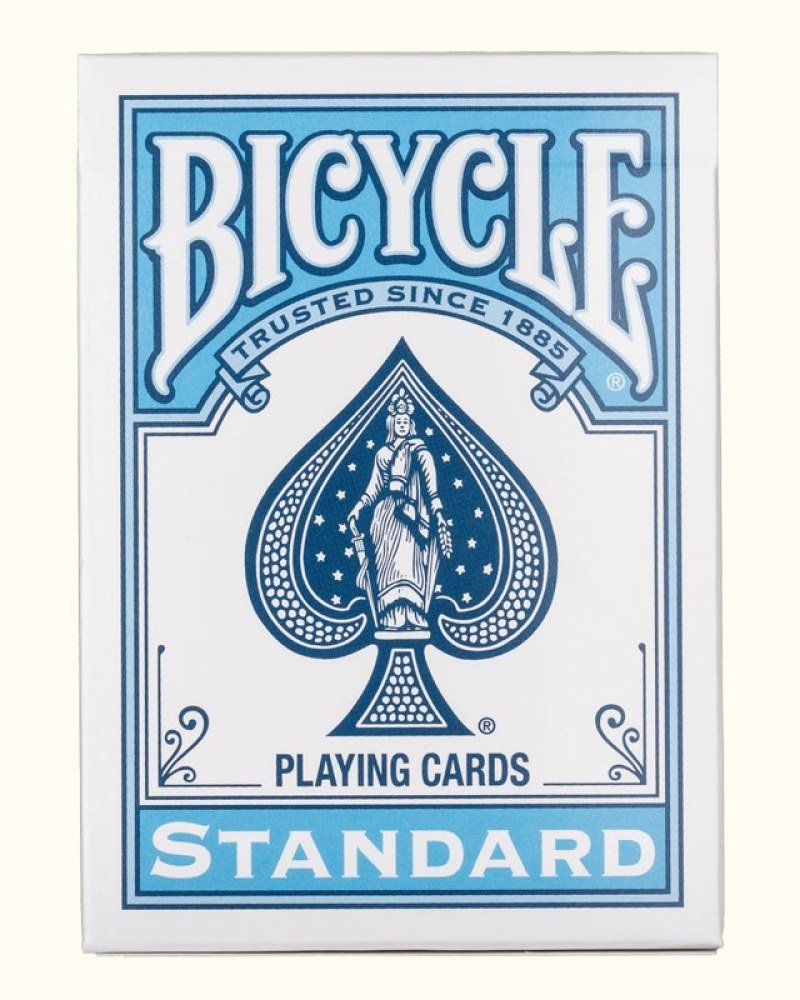
Bicycle Breeze – Playing Cards

Broken Borders – Playing Cards
Contact our team for any clarification about this document. Contact us


