
Cheat card game rules: how to play and how to catch the bluffs
How to play Cheat (I Doubt It): cards face down, call the next rank whether it's true or not, when to challenge and the psychology of a good liar.
On this page
Cheat is card gaming reduced to its most human ingredient: a straight face. The rules fit in a paragraph (put cards down face down, say whatever suits you, hope nobody doubts you) and yet it's one of the card games that gets the most laughs. The winner here isn't whoever has the best cards but whoever lies best and, above all, whoever catches best: calling well matters as much as getting your bluffs through. It's played all over the world under names that range from the diplomatic ("I doubt it") to the frankly unprintable in American English, it's the first bluffing game children learn, and it's a good way to get to know your family better. Here you'll find the history, the full rules, the Spanish version of the game and the psychology of a good liar.
What you need to play Cheat
- A standard 52-card deck (it doesn't matter if it's old: nobody looks at the backs here... in theory).
- 3 to 8 players: the more, the more chaos and the better. With more than 8, add a second deck.
- No extra equipment and no setup: that's why it's the after-dinner game par excellence.
History: the universal bluff
Cheat belongs to a family so simple that it sprang up everywhere and nobody can claim to have invented it. English rule books record it as Cheat in Britain and I Doubt It in the United States, where it has appeared in games manuals since the 19th century; the modern American version is famous for its rude name, so widespread that even serious books print it with asterisks. Russians have their verish' ne verish' ("do you believe me or not?"), Asia has branches of its own, and in Spain the game settled under the name that describes it best: el mentiroso, "the liar". The fact that an identical game was named in every language after lying, doubting or cheating says a lot about what is really at stake at the table, and it was never the cards.
The objective
Be the first to get rid of all your cards. Since cards are played face down and you announce out loud what you're putting down, the short way is to lie; the problem is that everyone knows it.
How to play, step by step
1 · The deal
The whole deck is dealt out among the players (it doesn't matter if it doesn't divide exactly). There is no stock: every card is in someone's hand.
2 · Your turn: call and play
The first player announces a rank and puts face down in the centre the cards they claim to have of that rank: "two aces". The next player must play the next rank up ("three twos", even if it's a lie... especially if it's a lie), and so on, climbing the ladder of ranks (after the king, back to the ace). On each turn you can put down one to four cards, of the rank you called or of anything else, since they're face down anyway.
3 · The challenge
Any player who hears a suspicious call can say the magic word: "Cheat!" (or "I doubt it", depending on the house). The cards from the last play are turned over:
- If there was a lie (a single card that isn't the rank called is enough): the liar picks up the whole central pile and adds it to their hand.
- If it was true: the challenger pays for their suspicion; the whole pile goes to them.
Under the most common rule, whoever picks up the pile starts a new round with any rank they like. And the ladder carries on.
4 · Winning
The first player to run out of cards wins... with the cruel twist that your last play will almost always be challenged (what do they lose by checking?). Saving for the end some cards you can play truthfully is the only dignified way out.
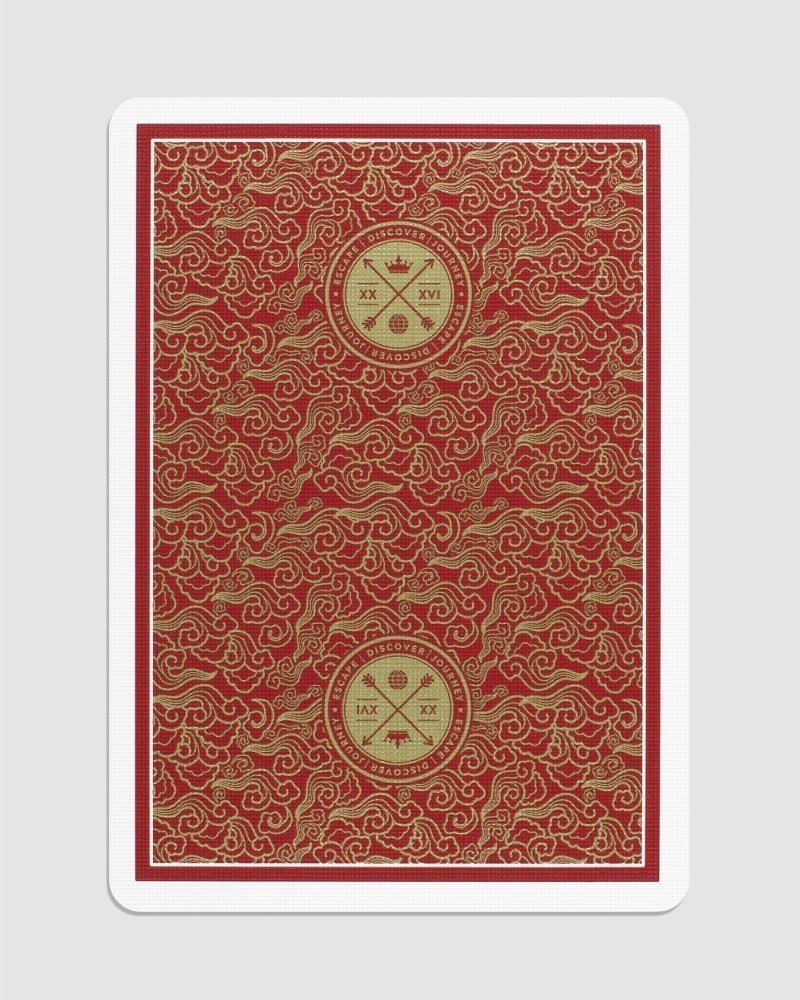
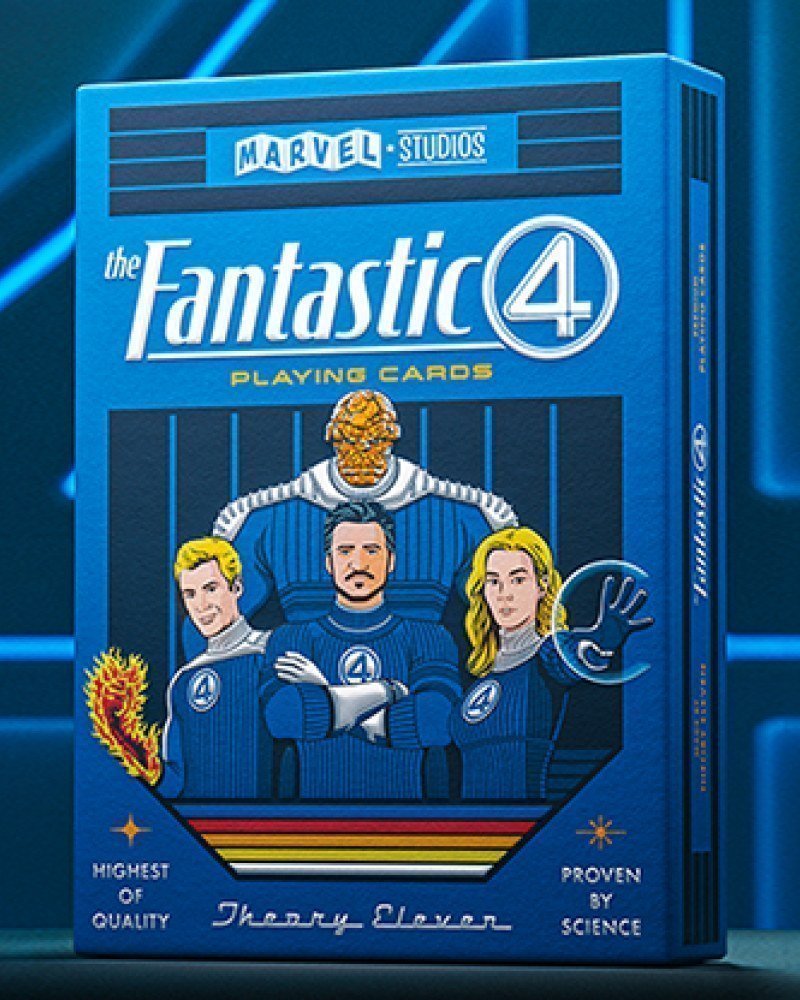
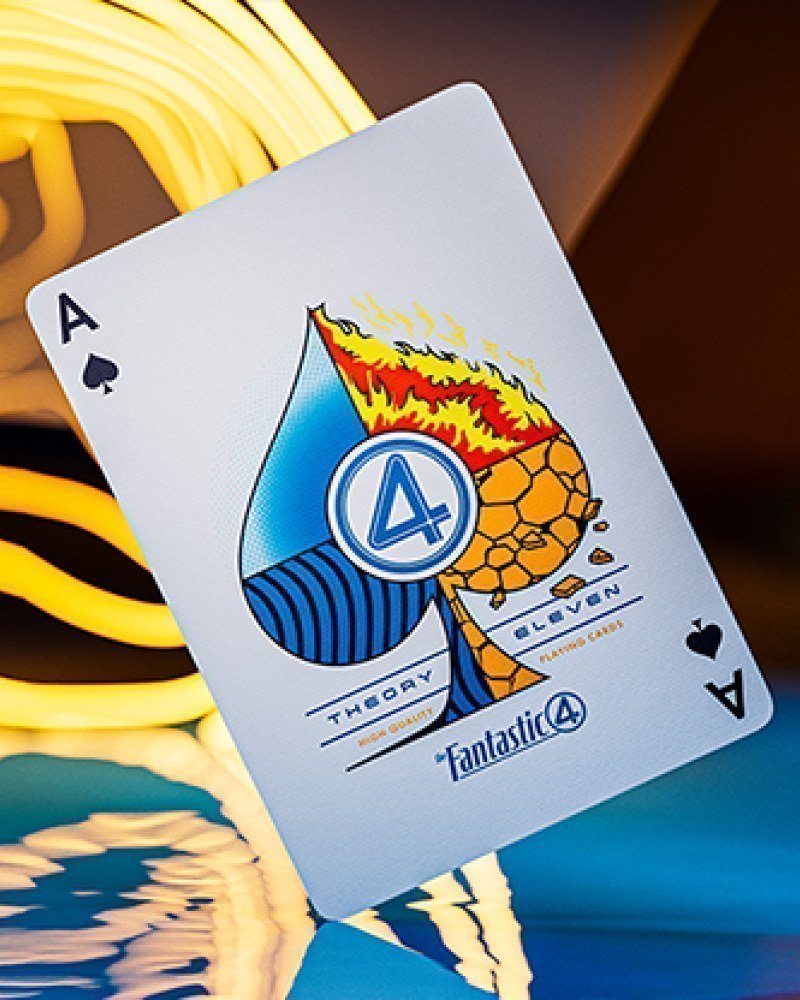
Did you know decks like these exist?
At heart, every deck has the same cards. What changes is everything else: the design, the finish, metallic inks or gilded edges. Take a look at our catalogue and bring your own style to the card table.
Browse our playing cards →




The psychology: a good liar's handbook
- Lie small, and often. Slipping one false card in between two true ones ("three sevens": two sevens and a four) is everyday bread and butter. Total four-card lies are for emergencies.
- Challenge with maths, not hunches. If you have three kings in your hand and someone calls "two kings", arithmetic rules: there's only one king left in the world. Counting your own cards is the most reliable lie detector at the table.
- Faces give less away than rhythm. Players take different amounts of time to put down the truth and a lie. Watch the timing, not the eyes, and work on your own: same gesture, same pace, whether you're lying or not.
- Offload when the ladder passes through your strong ranks and lie when it passes through your gaps, but not always: a player who only lies in their gaps is an open book to anyone keeping count.
- A big pile changes the incentives: with twenty cards in the middle, challenging is expensive and lying is tempting. That's exactly when people lie the most, and get caught the most.
Variants
- Classic ascending Cheat (the one described): each player calls the next rank up. The standard in Spain.
- Free repeated rank (the "I Doubt It" of some households): everyone calls the same rank until someone doubts; then it changes. More bluffing, less control.
- Cheat with discarding of fours: when you genuinely collect four cards of the same rank in your hand, you show them and discard them; it speeds up the ending.
- Verish' ne verish' (Russian): played with face-down cards that the next player can accept or check; a close cousin with more one-on-one tension.
- Commercial versions: from Coup to Skull, half the modern board game industry lives off refining the mechanics of Cheat. The original still only costs a deck of cards.
Fun facts
- It's one of the few games where cheating is the actual mechanic, but with a social contract: the only legal cheating is the announced kind. Slipping extra cards into a play, on the other hand, really is cheating... and in some British households even that counts if nobody catches you, living up to the name Cheat.
- Psychologists use it as an example of "theory of mind" in action: to play well you have to model what the other person thinks you think. Small children are adorably bad at it; grandparents with decades of practice are lethal.
- In American English the game is so well known by its rude name that "to call BS" (calling someone out on their lies) jumped from the game into everyday language.
How much does a deck of cards cost?
From €5 to over €100. The 52 cards and the rules stay the same; this is what changes.
 To play€5.95 |  Designer€12.95 |  Premium€17.99 |  Collectible€34.94 | |
|---|---|---|---|---|
| Typical price | €5-9 | €9-15 | €15-30 | €30 or more |
| What sets it apart | Classic casino design | Artist illustration on back and faces | Special inks, embossing and foil on the box | Limited print runs and gilded edges |
| Who it is for | Games at home | Playing with something beautiful | Gifts or cardistry | Collecting and display |
| Example | Tally-Ho Fan Azul | theory11 Medallion | The Sandwich Series (Luncheon Meat) | Kings Wild LOTR Two Towers Gilded |
| See decks | See decks | See decks | See decks |
Frequently asked questions
How many cards do you play on each turn?
From one to four, face down, calling the rank that comes next on the ladder (whether it's true or not).
What happens when someone calls "Cheat"?
The last play is turned over: if there was a lie, the liar takes the whole pile; if it was true, the challenger takes it.
Do you have to follow an order of ranks?
In the classic version, yes: each player calls the rank after the previous one (ace, two, three... king, and back to ace). There are free-rank variants; agree on it beforehand.
Can you pass without playing?
Under the classic rule, no: when it's your turn, you call and put something down; that's what lying is for. Some households allow passing; it takes some of the fun out.
What's the best strategy to win?
Count cards (yours disprove other people's calls), lie a little and mix it up, and save for the end ranks you can play truthfully, because your last play is almost certain to be challenged.
Cheat is played looking people in the eye, not at the backs of the cards, but a worn, marked deck spoils the mystery: replace yours from our poker playing cards collection.
Would you like these rules as a PDF, plus our guides to other games? Sign up for the newsletter.
Keep exploring
- Card games you can play with a standard deck: the full index
- President card game rules: the natural companion for a group games night.
- Truco card game rules: where lying is also a virtue, but in verse.
- Mus rules: Spain's doctorate in bluffing.
- Card games for kids
Keep learning
- Klondike solitaire rules Learn to play classic solitaire (Klondike patience): setting up the seven columns, the moves, draw one or draw three…
- Continental Rummy Rules Continental rummy rules: the seven contracts, decks and jokers, buying out of turn, scoring with examples, and how it…
- Canasta rules Canasta rules explained: natural and mixed canastas, red threes, how to freeze the discard pile, the full scoring and…
- Gin rummy rules Gin rummy rules: the two-player game invented in 1909, how knocking, going gin and the undercut work, plus scoring…
- Hearts card game rules How to play Hearts: the trick-taking game where winning means losing, the three-card pass, the 13-point queen of…
- President card game rules How to play President (Scum, Asshole, Capitalism): card ranking, legal plays, ranks, the card exchange, revolution…
- Blackjack rules Learn how to play blackjack: card values, hit, stand, double down and split, the dealer's turn, basic strategy…
Decks to play with: from our shop


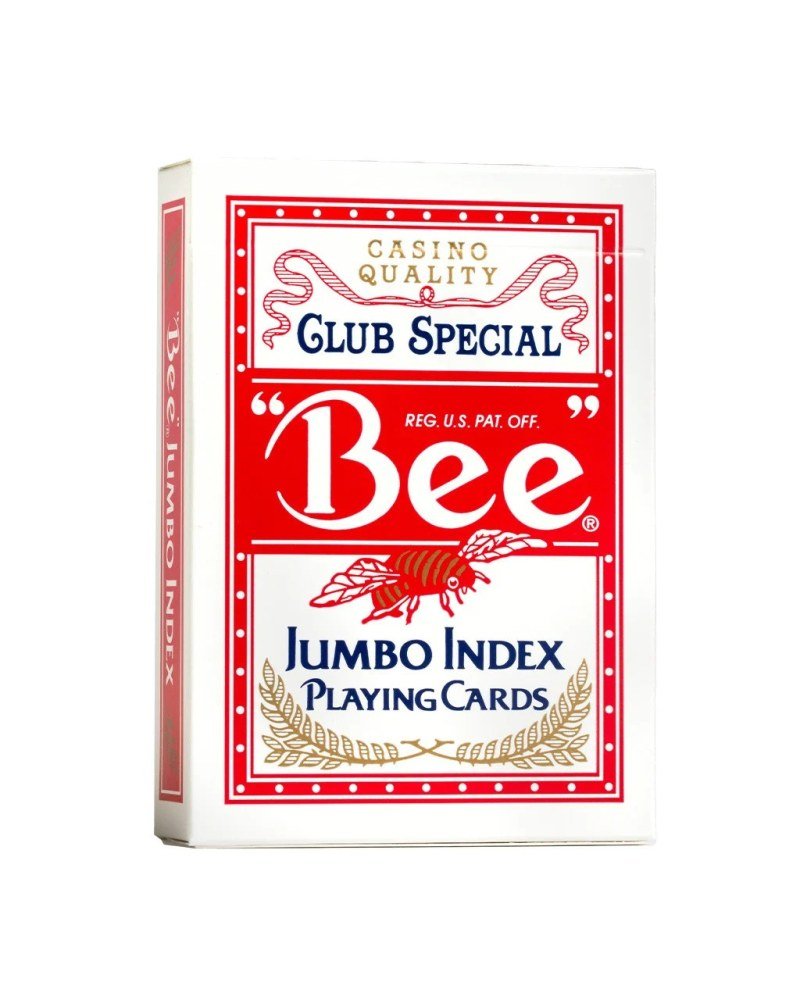
Spanish, French, poker and collector decks, in stock in Madrid.
Poker decks in stock →Buy playing cards →