
Canasta rules: complete guide with scoring and strategy
Canasta rules explained: natural and mixed canastas, red threes, how to freeze the discard pile, the full scoring and strategy for partnership play.
On this page
Few stories in the world of cards are as neat as that of canasta: in 1939 two friends from Montevideo (a lawyer and an architect) sit down at the Jockey Club to invent a game that is shorter than bridge and less fickle than rummy, and ten years later their invention is all the rage across the United States, with clubs, tournaments, books and even shortages of playing cards in the shops. Canasta is rummy raised to a team strategy: the winner is not whoever gets rid of their cards fastest, but whoever builds canastas (sets of seven cards of the same rank) and controls the juiciest prize in the game, a discard pile that can swell to twenty cards and turn the game around in one move. Here you have the documented history, the complete rules and the art of freezing the pile.
What you need to play canasta
- Two standard 52-card decks with their four jokers (108 cards in total).
- Four players in two partnerships, partners sitting opposite each other, which is the standard form. There are versions for two and three players, but at heart canasta is a team game.
- Pen and paper: the scores come with plenty of zeros.
History: from Montevideo to the world in ten years
Canasta was born in Montevideo (Uruguay) in 1939, and for once we know the names of its inventors: the lawyer Segundo Santos and the architect Alberto Serrato, regular card partners at the Jockey Club, wanted a game that combined the best of their two worlds: the partnership depth of bridge without the hours, and the pace of rummy without so much luck. The result took its name from the basket ("canasta" in Spanish) where, according to tradition, they kept the cards. The game crossed the River Plate to Argentina, where it was refined and took off, and from there it reached the United States in the late 1940s, where it became the biggest card game craze of the 20th century: around 1950 it overtook contract bridge in sales of rule books, swept through living rooms and forced card manufacturers to double their output. The craze passed, as they all do, but the game stayed: today it is still alive across much of Europe and the Americas, with federations that run regular tournaments.
Card values
- Jokers: 50 points · Aces and twos: 20 · Eight to king: 10 · Four to seven: 5.
- Twos and jokers are wild cards: they can stand for any card in a meld, within limits.
- Threes are special and are dealt with separately, as we will see.
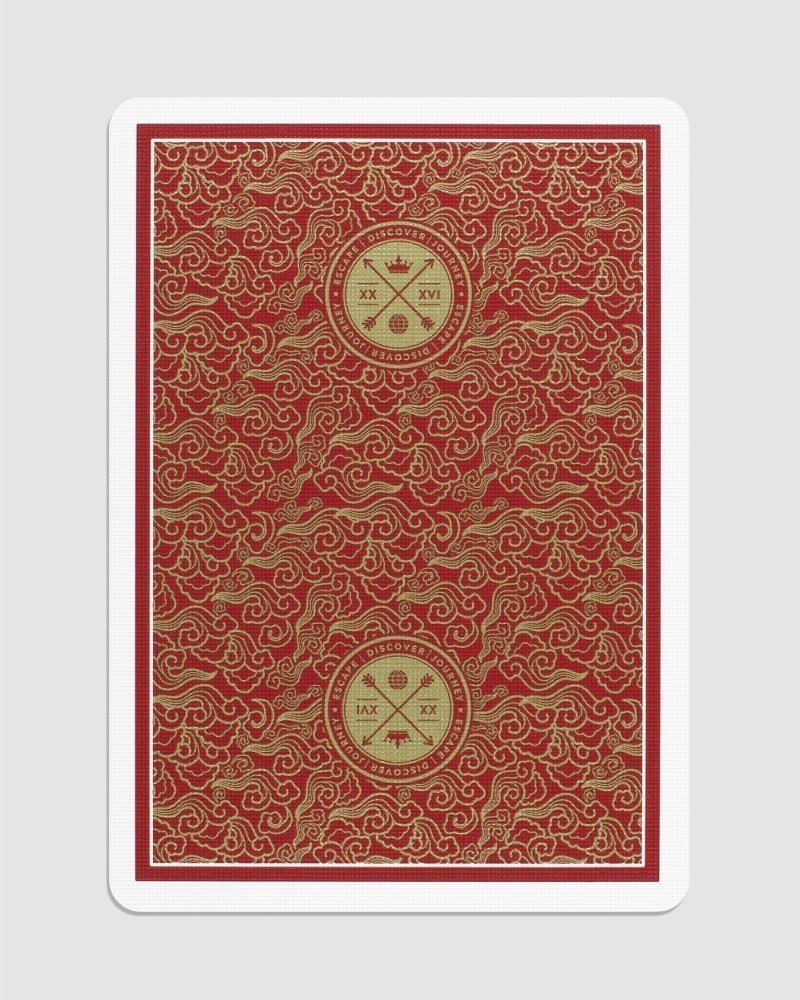
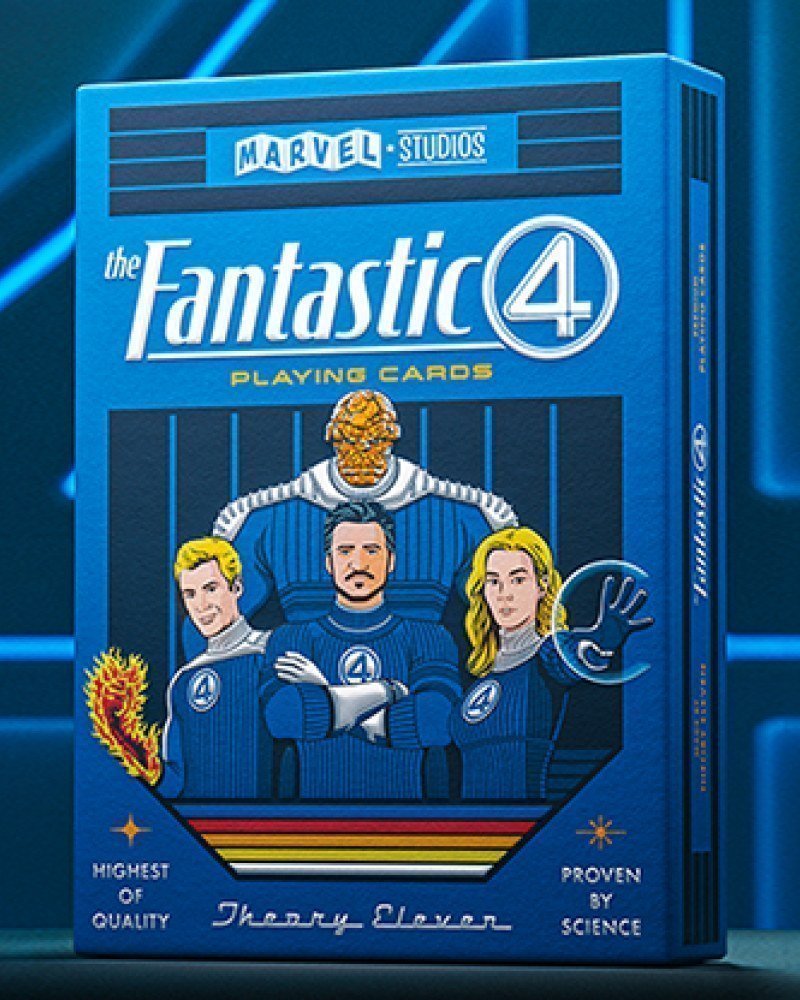
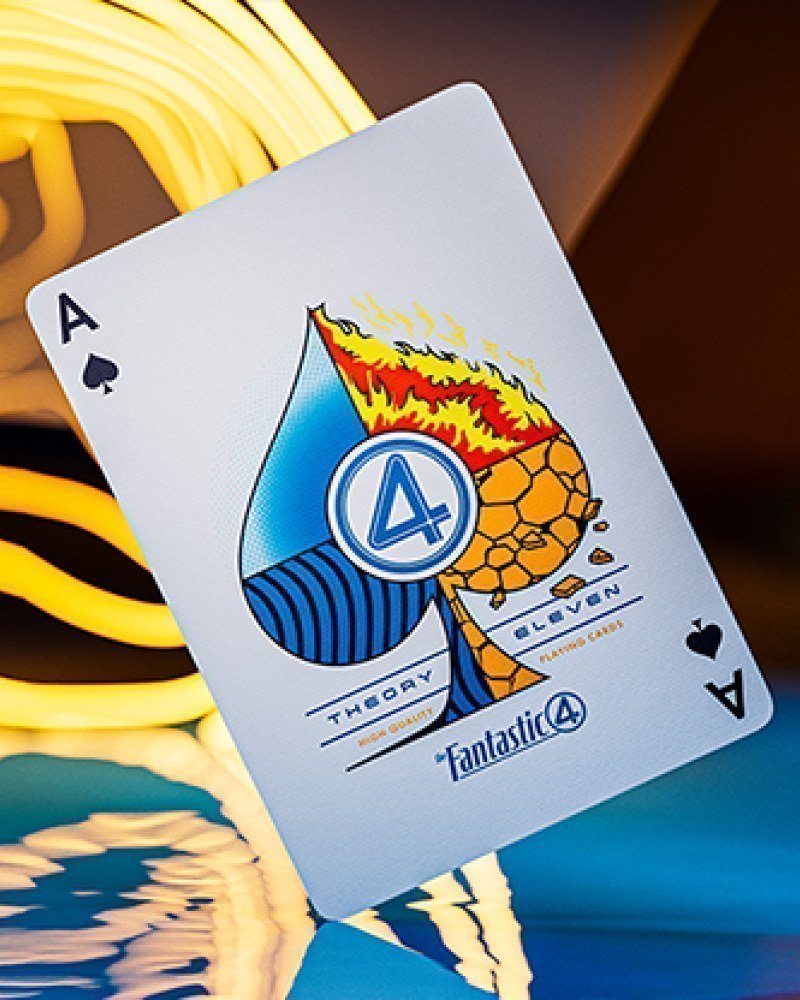
Did you know decks like these exist?
At heart, every deck has the same cards. What changes is everything else: the design, the finish, metallic inks or gilded edges. Take a look at our catalogue and bring your own style to the card table.
Browse our playing cards →




How to play, step by step
1 · The deal
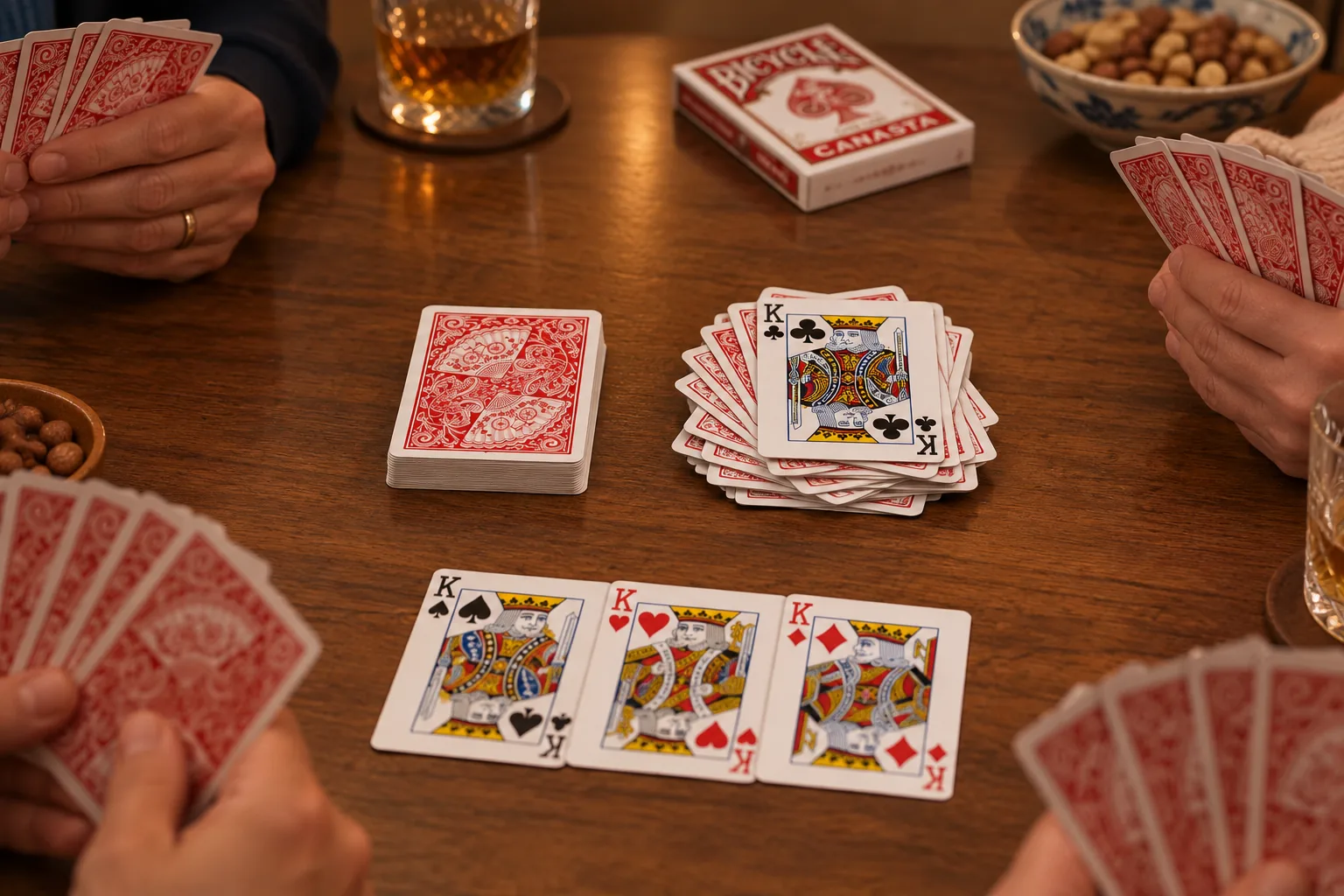
Each player gets eleven cards. The rest form the stock; one card is turned face up to start the discard pile. Any red threes dealt are placed face up on the table straight away and replaced: they are an automatic bonus, not playable cards.
2 · Your turn
You draw (from the stock... or the whole discard pile, more on that shortly), meld if you can and want to, and discard one card onto the pile. Melds are sets of three or more cards of the same rank: there are no runs in canasta, which is the first surprise for anyone coming from rummy or continental. Sets can include wild cards (twos and jokers) on two conditions: at least two natural cards, and never more wild cards than natural ones.
3 · The first meld has a price
Your partnership cannot start melding with just anything: the initial meld must reach a minimum count that depends on your cumulative score: 50 points at the start of the game, 90 from 1,500 and 120 from 3,000. It is the game's built-in brake on runaway leaders: the more you win, the harder it is to get going.
4 · The discard pile: the heart of the game
This is where many games are decided. On your turn, instead of drawing from the stock, you can take the entire discard pile (whether it holds four cards or twenty) if you can use the top card straight away in a meld (with two natural cards from your hand, or on a set your partnership has already laid down). A big pile brings a lot of material.
And that is why the counter-measure exists: freezing the pile. When someone discards a wild card (a two or a joker) onto the pile, it becomes "frozen": from then on it can only be taken by a player who matches the top card with two natural cards from their own hand, even if they already have melds on the table. Discarding a joker to freeze 18 cards just as your opponents were going for them is the great psychological move in canasta.
5 · Canastas and going out
A canasta is a meld of seven cards: if they are all natural, it is a "natural" or "clean" canasta (500 points); if it includes wild cards, it is a "mixed" or "dirty" one (300). To go out (get rid of all your cards), your partnership needs at least one complete canasta. Going out earns 100 extra points, and the player about to go out may ask their partner the traditional question, "Partner, may I go out?": the answer is binding.
6 · Scoring
Add up: the bonuses (500 per natural canasta, 300 per mixed one, 100 for going out, 100 for each red three, 800 if one side holds all four), plus the value of all the cards melded, minus the value of the cards left in hand. Note one detail about red threes: if your partnership has not made its initial meld, they count against you instead of for you. The game is played to 5,000 points.
Essential strategy
- The discard pile rules everything. The question with every discard is not "which card don't I need?" but "what can my opponents pick up with this?". A safe discard is worth more than a pretty meld.
- Freeze when you are losing the race. If the pile is growing and your opponents have melded while you have not, a wild card on the pile levels the field: now they also find it hard to take.
- Don't spoil a natural canasta without good reason. Putting a joker into a set of six natural cards to close it sooner costs you 200 points. Sometimes it pays off; just do it knowing the price.
- Don't go out just for the sake of it. Going out when your opponents are loaded with cards is very profitable; going out when your own partner is holding half a hand of aces and jokers that have not been melded usually costs you. That is why the "may I go out?" exists.
- Count the threes. There are eight in the pack (four red ones as bonuses, four black ones that block the pile when discarded). Knowing how many are left saves you nasty surprises.
Variants
- Uruguayan canasta (the original): what is described here, with club-level differences.
- Classic American canasta (1950): the version standardised by the rule books of the craze; almost identical.
- Samba: three decks and runs allowed; the 1950s answer to rummy purists.
- Two-player canasta: you draw two cards per turn and discard one; surprisingly tactical.
- Hand and Foot: the modern American branch with two hands per player (the "hand" and the "foot"); relaxed and good for large groups.
Did you know?
- Around 1950 canasta was such a craze in the USA that the press wrote about "canasta widowers": husbands "widowed" by wives hooked on the game (and vice versa). Millions of rule books and special card trays were sold.
- It is probably the most successful card game ever invented by people we can name: nearly all its rivals (poker, bridge, rummy) evolved anonymously over centuries; canasta has a birth certificate.
- The name comes straight from River Plate Spanish: canasta means basket. English speakers never bothered to translate it.
How much does a deck of cards cost?
From €5 to over €100. The 52 cards and the rules stay the same; this is what changes.
 To play€5.95 |  Designer€12.95 |  Premium€17.99 |  Collectible€34.94 | |
|---|---|---|---|---|
| Typical price | €5-9 | €9-15 | €15-30 | €30 or more |
| What sets it apart | Classic casino design | Artist illustration on back and faces | Special inks, embossing and foil on the box | Limited print runs and gilded edges |
| Who it is for | Games at home | Playing with something beautiful | Gifts or cardistry | Collecting and display |
| Example | Tally-Ho Fan Azul | theory11 Medallion | The Sandwich Series (Luncheon Meat) | Kings Wild LOTR Two Towers Gilded |
| See decks | See decks | See decks | See decks |
Frequently asked questions
How many cards are dealt in canasta?
Eleven per player, using two 52-card decks plus jokers (108 cards). Four players in two partnerships.
What is a natural canasta and a mixed canasta?
A meld of seven cards of the same rank: natural (or clean) if they are all natural cards (500 points), mixed (or dirty) if it contains twos or jokers (300).
When can you take the discard pile?
When you can use its top card straight away in a meld. If the pile has been frozen by a wild card, only by matching it with two natural cards from your hand.
What are the threes for?
Red threes are an automatic bonus (100 each, 800 for all four, but they count against you if your partnership has not melded). Black threes block the pile for one turn when discarded.
How many points do you need for your first meld?
It depends on your score: 50 at the start, 90 from 1,500 points and 120 from 3,000.
Canasta needs 108 cards and plenty of afternoons: two matching poker decks from our collection of poker playing cards will keep you playing for years.
Would you like these rules as a PDF, along with the guides to the other games? Sign up for the newsletter.
Keep exploring
- Card games with a poker deck: the complete index
- Continental rummy rules: the family that canasta knocked off its perch in 1950.
- Gin rummy rules: the two-player relative.
- History of the poker deck
- Burraco and scala 40 rules
- History of the joker
Keep learning
- Klondike solitaire rules Learn to play classic solitaire (Klondike patience): setting up the seven columns, the moves, draw one or draw three…
- Continental Rummy Rules Continental rummy rules: the seven contracts, decks and jokers, buying out of turn, scoring with examples, and how it…
- Gin rummy rules Gin rummy rules: the two-player game invented in 1909, how knocking, going gin and the undercut work, plus scoring…
- Hearts card game rules How to play Hearts: the trick-taking game where winning means losing, the three-card pass, the 13-point queen of…
- President card game rules How to play President (Scum, Asshole, Capitalism): card ranking, legal plays, ranks, the card exchange, revolution…
- Cheat card game rules How to play Cheat (I Doubt It): cards face down, call the next rank whether it's true or not, when to challenge and…
- Blackjack rules Learn how to play blackjack: card values, hit, stand, double down and split, the dealer's turn, basic strategy…
Decks to play with: from our shop
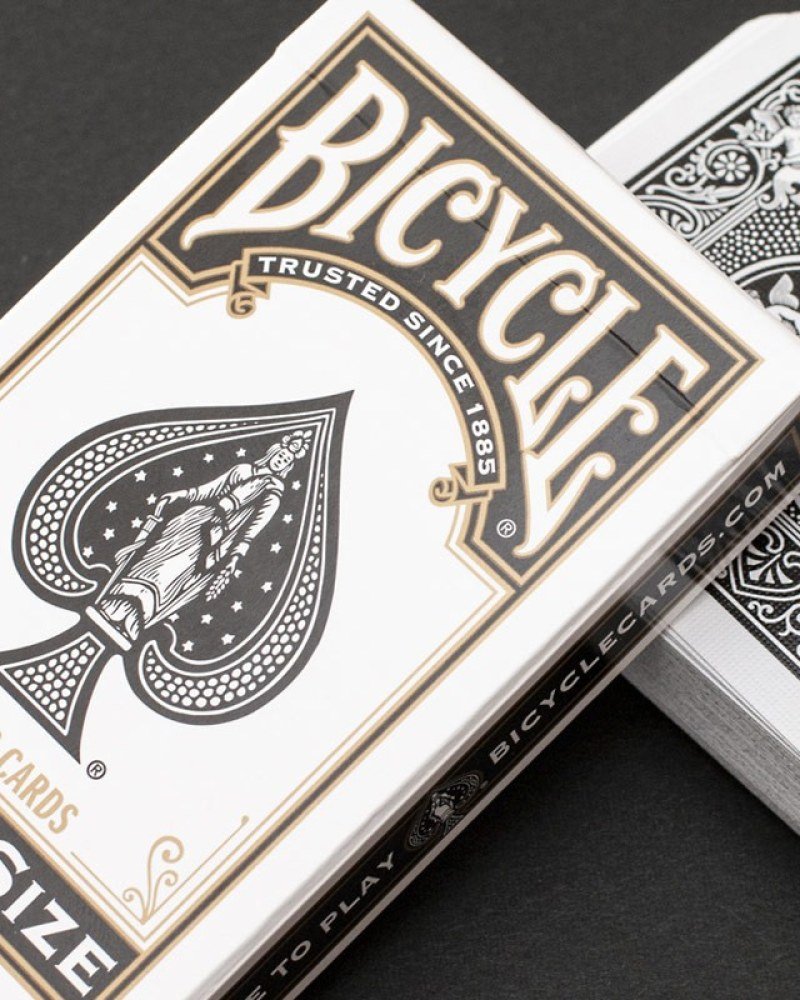


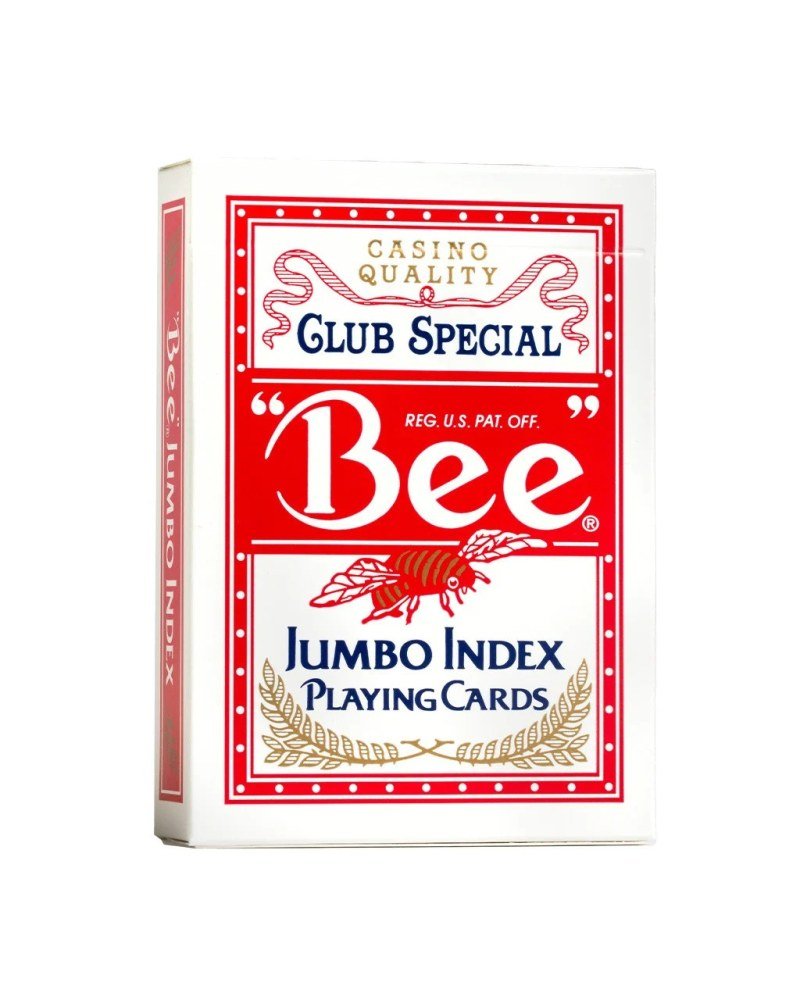
Spanish, French, poker and collector decks, in stock in Madrid.
Poker decks in stock →All our decks →