

List of Card Games: 97 Games Sorted by Type
List of card games sorted by type: trick-taking, rummy, shedding, fishing, betting and kids games, with players, deck and difficulty for each of the 97.
In short
There are thousands of card games, but almost all of them fit into a few families based on how they are played, which is the most useful way to sort any list of card games: trick-taking games (bridge, spades, euchre, belote, skat), rummy games (gin rummy, canasta, rummy, chinchón), shedding games (president, cheat, crazy eights, sevens), fishing games (cassino, scopa, escoba, cuarenta), betting and banking games (poker, blackjack, mus, siete y media), adding games (cribbage), solitaire and card games for kids (war, snap, go fish). Below you will find 97 games sorted by family, with their origin, how many players they take and which deck they need.
- With the Spanish deck (40 or 48 cards) you play mus, tute, brisca, guiñote, chinchón, escoba, truco and siete y media.
- With a standard 52-card deck you play bridge, poker, hearts, gin rummy, president and almost every solitaire game.
- Where to start: snap or crazy eights with the family, gin rummy or cribbage for two, president or cheat with a group.
This list of card games is not sorted by fame or alphabetical order, but by what happens at the table. Two games from countries that have never been in contact, such as Spanish escoba and Ecuadorian cuarenta, are far more alike than mus and tute, even though those two use the same deck. Knowing a game's family helps you learn it faster: anyone who plays whist will understand spades in five minutes, and anyone who knows rummy is halfway to gin rummy. When a game has a full guide on our site, we link to it in the table.
Types of card games: how they are classified
Card games can be sorted in many ways: by country, by the deck they use, by the number of players or by the goal. The classification that has prevailed among scholars groups them by mechanics, that is, by what a player does on their turn. It is the one used by the British games historian David Parlett in his books and by John McLeod on Pagat.com, the largest archive of card game rules there is. Their scheme has five main blocks:
- Games of playing cards out (outplay): each player holds a hand and plays cards from it to the table. This covers trick-taking, shedding, fishing and adding games.
- Card exchange games: cards are drawn and discarded to improve the hand. This is the territory of rummy and its relatives.
- Hand comparison games: hardly any cards are played; hands are compared or bet on. Poker, mus, blackjack.
- Games of laying cards out (layout): cards are placed on the table following rules. This includes solitaire games and games such as sevens.
- Others: combat games, compendium games made up of several contracts, racing games and guessing games.
For a practical list, that scheme is too thin in some places and too detailed in others, so here we have turned it into eight families that anyone will recognize at the table. Some games belong to two: truco is played in tricks but decided by betting, and escoba is a fishing game in which you capture by adding up to fifteen. In those cases we place the game where it is easiest to understand and explain why.
| Family | What you do | Examples |
|---|---|---|
| Trick-taking | Each player plays one card per round and the highest card takes the pile (the trick) | Bridge, spades, euchre, belote, skat |
| Rummy | You draw and discard to form sets and runs | Gin rummy, canasta, chinchón, burraco |
| Shedding | The first player to get rid of all their cards wins | President, cheat, crazy eights, sevens |
| Fishing | A card from your hand captures face-up cards on the table | Cassino, scopa, escoba, cuarenta |
| Betting and banking | You compare your hand with your opponents' or the bank's, placing bets | Poker, blackjack, mus, siete y media |
| Adding | Card values are added up toward a target number | Cribbage, blackjack, siete y media |
| Solitaire | Sort the deck according to set rules, alone or against an opponent | Klondike, FreeCell, spider, Russian bank |
| Kids | Minimal rules, luck or reflexes | War, snap, go fish, old maid |
Trick-taking games
This is the largest family and the most widespread in Europe. They all work the same way at heart: each player plays one card in turn, and whoever plays the highest card takes the cards played. You almost always have to follow suit (play a card of the suit led) if you can, and many games have trumps, a suit that beats all the others. From there they split into two main branches:
- Plain-trick games: what counts is how many tricks you win, not which cards are in them. Bridge, whist, spades, pocha, euchre.
- Point-trick games: what counts is the value of the cards you capture. This is where almost all of Europe's national games belong: tute and brisca in Spain, skat in Germany, belote in France, briscola in Italy, sueca in Portugal, jass in Switzerland. They share a striking quirk: the ace and the three (or the ten) are the cards worth the most points.
In American spades, spades are always trumps: in this trick hearts were led, the fourth player has no hearts, and the humble three of spades takes the king.
Spanish card games and other trick-taking games with Spanish, Italian or Portuguese decks
| Game | Where it is from | Players | Deck | Difficulty | Our guide |
|---|---|---|---|---|---|
| Tute Popular | Spain and parts of Latin America | 2-6 (classic: 4 in pairs) | Spanish 40 | Medium | Tute rules |
| Brisca Popular | Spain | 2-6 (usually 2 or 4) | Spanish 40 | Easy | Brisca rules |
| Guiñote | Aragon, Navarre and nearby regions | 2-4 (usually 4 in pairs) | Spanish 40 | Medium | Guiñote rules |
| Julepe | Spain; very widespread in Latin America | 5-7 (ideally 6) | Spanish 40 | Medium | |
| Pocha or podrida (similar to Oh Hell!) | Spain and Latin America | 3-7 (ideally 4-5) | Spanish 40 | Medium | |
| Tresillo | Spain (17th century, as "el hombre") | 3 active (table of 4) | Spanish 40 | Hard | |
| Botifarra | Catalonia | 4 in pairs | Spanish 48 | Medium | |
| Manilla (manille) | Catalonia and southern France | 4 in pairs | Spanish 48 (in France, 32 French-suited cards) | Medium | |
| Truc | Valencia region | 2-8 (usually 4) | Spanish, only 22 cards | Medium | |
| Truco Popular | Argentina, Uruguay, Brazil, Chile | 2, 4 or 6 | Spanish 40 | Medium | Truco rules |
| Briscola | Italy | 2-6 | Italian 40 | Easy | |
| Briscola chiamata | Italy | 5 | Italian 40 | Medium | |
| Tressette | Italy | 4 in pairs | Italian 40 | Medium | |
| Sueca | Portugal, Brazil, Angola | 4 in pairs | 40 (French-suited, without 8s, 9s or 10s) | Medium | |
| Bisca | Portugal | 2 or 4 | 40 (French-suited) | Easy |
Tute and brisca, the two best-known Spanish card games of this family, are close cousins and share the same card ranking: ace, three, king, knight (caballo), jack (sota) and then seven down to two. The ace is worth 11 points, the three 10, the king 4, the knight 3 and the jack 2, making 120 points in the deck. Brisca is the light version: you draw after each trick and, in its usual form, there are no declarations. Tute adds declarations (a king and knight of the same suit are worth 20, or 40 in trumps) and the move that gives it its name: collecting all four kings or all four knights wins the game outright. Aragonese guiñote is a form of tute in which the jack ranks above the knight; it has its own vocabulary and a following in Aragon that is almost a regional sport. Italian briscola and Portuguese bisca are the same idea with other decks: if you can play one, you can play all three.
Tresillo deserves a separate line for its history. It was born in Spain in the early 17th century under the name el hombre ("the man"), and it was the first European game in which players bid to decide who would choose trumps and play alone against the others. It spread across Europe as l'hombre or ombre with a prestige similar to that of bridge today, and skat, bridge and many of the serious games that came later descend from its idea of an auction. In Spain it survives in small circles.
Truco is another curious case: it comes from the truc played in Valencia and the Balearic Islands, crossed the Atlantic and is now almost a national emblem in Argentina and Uruguay. It is played over three tricks, but what really matters are the challenges ("truco", "envido", "flor"), the signals between partners and the bluffing, so in practice it sits halfway between trick-taking and betting games.
Trick-taking games with French, German or tarot decks
| Game | Where it is from | Players | Deck | Difficulty | Our guide |
|---|---|---|---|---|---|
| Bridge Popular | UK and US, now worldwide | 4 in pairs | Standard 52 | Hard | |
| Whist | England | 4 in pairs | Standard 52 | Medium | |
| Spades | US | 4 in pairs (2-6) | Standard 52 | Medium | |
| Hearts (copas in Portugal) | US, late 19th century | 3-6 (ideally 4) | Standard 52 | Easy | Hearts rules |
| Oh Hell! | UK and US | 3-7 | Standard 52 | Medium | |
| Euchre | US, Canada, Cornwall | 4 in pairs | 24 to 32 standard cards | Medium | |
| Pinochle | US (of European origin) | 3 or 4 | 48 (two sets of 24) | Hard | |
| Belote Popular | France | 4 in pairs (2-4) | 32 French-suited | Medium | |
| Coinche (belote coinchée) | France | 4 in pairs | 32 French-suited | Hard | |
| Tarot Popular | France | 3-5 (ideally 4) | Tarot 78 | Medium | |
| Barbu | France | 4 | Standard 52 (formerly 32) | Hard | |
| Piquet | France | 2 | 32 French-suited | Hard | |
| Bezique | France (19th century) | 2 | Two 32-card decks | Medium | |
| Skat Popular | Germany (Altenburg, around 1810) | 3 (4 with one dealer sitting out) | 32 French- or German-suited | Hard | |
| Doppelkopf | Northern Germany | 4 | 48 (two sets of 24) | Hard | |
| Schafkopf | Bavaria | 4 | German 32 (or 24) | Medium | |
| Watten | Bavaria, Austria, South Tyrol | 4 (also 2-3) | German 32-36 | Medium | |
| Sechsundsechzig (66) | Germany | 2 | 24 cards | Medium | |
| Schnapsen | Austria and Hungary | 2 | 20 cards | Medium | |
| Jass | Switzerland | 4 in pairs | 36 cards | Medium | |
| Klaverjas | Netherlands | 4 in pairs | 32 French-suited | Medium | |
| Mariáš | Czech Republic and Slovakia | 3 | 32 cards | Hard | |
| Preferans | Russia and Eastern Europe | 3 (or 4) | 32 French-suited | Hard | |
| Tarock (Königrufen) | Austria | 4 | Tarock 54 | Hard |
Bridge is the great international trick-taking game: four players in two partnerships, an auction in which each side commits to winning a number of tricks and names trumps, and thirteen tricks to make the contract. It descends from whist, has federations all over the world and tournaments with repeated deals (duplicate bridge) so that the luck of the deal counts as little as possible. Its home version without an auction is whist, and its simpler American cousin is spades. Euchre has a curious claim to fame: according to Parlett, the joker was added to decks in the 1850s precisely for this game, as the highest trump.
In France the household trick-taking game is belote, played with 32 cards and with a feature that links it to Swiss jass and Dutch klaverjas: in the trump suit the highest card is the jack, followed by the nine. Its bidding version, coinche, is the one played in tournaments. French tarot uses its own 78-card deck: four suits with king, queen, knight and jack, 21 numbered trumps and a special card, the excuse. It has an official federation and its own rulebook, and it is mostly played by four, with one player who "takes" and plays against the other three.
In Germany the king of games is skat, born in Altenburg around 1810: three players, 32 cards, an auction to decide who plays alone against the other two, and two face-down cards (the skat) that go to the winner of the bidding. The jacks are always the highest trumps. In the north the most popular game is doppelkopf, played with a double deck, in which the two players holding the queens of clubs are partners without knowing it at first; in the south, in Bavaria, it is schafkopf. For two players, the Central European classic is 66, along with its tighter Austrian version, schnapsen.
Rummy games: draw and discard
The mechanic is always the same: on your turn you draw a card (from the stock or the discard pile) and discard another, with the aim of forming combinations, called melds. There are two kinds: sets (three or four cards of the same rank) and runs (three or more consecutive cards of the same suit). The winner is the player who lays down their whole hand or ends up with the fewest points in unmatched cards.
A run in diamonds and a set of kings: the two basic melds in any game of the rummy family.
| Game | Where it is from | Players | Deck | Difficulty | Our guide |
|---|---|---|---|---|---|
| Chinchón Popular | Spain, Uruguay, Argentina | 2-8 (up to 4 with one deck) | Spanish 40 or 48 | Easy | Chinchón rules |
| Continental | Spain and Latin America | 2-8 | 2-3 standard decks with jokers | Medium | Continental rules |
| Remigio | Spain | 2-10 | 2-3 standard decks with jokers | Easy | |
| Conquián | Mexico (mentioned in 1857) | 2-3 | Spanish 40 | Medium | |
| Rummy (rami, basic rummy) | US, now international | 2-6 | Standard 52 | Easy | |
| Gin rummy Popular | US | 2 | Standard 52 | Medium | Gin rummy rules |
| Canasta Popular | Uruguay (Montevideo, 1939) | 4 in pairs (2-6) | 2 decks of 52 + 4 jokers | Medium | Canasta rules |
| Burraco | South America; now very popular in Italy | 4 in pairs (2-5) | 2 decks of 52 + 4 jokers | Medium | |
| Scala 40 | Italy | 2-6 | 2 decks of 52 + 4 jokers | Medium | |
| Rommé | Germany | 2-6 | 2 decks of 52 + 6 jokers (110) | Easy | |
| Carioca | Chile, Argentina, Uruguay | 2-5 | 2 decks of 52 with jokers | Medium | |
| 500 Rum | US | 2-8 | Standard 52 | Medium | |
| Golf | US | 2-8 | Standard 52 | Easy | |
| 31 (Schwimmen, Scat) | Germany and other countries | 2-8 | 32 cards (in the US, 52) | Easy |
This family has a fairly clear family tree. Its recognized ancestor is Mexican conquián, already mentioned in Mexico City in 1857 and played with the 40-card Spanish deck. From it came rummy in the United States, and from rummy, in the early 20th century, gin rummy, the two-player game par excellence: ten cards each and the option to end the hand ("knock") when your unmatched cards add up to very little. Spanish chinchón is, in practice, gin rummy with a Spanish deck, with its signature move, the chinchón: laying down all seven cards in your hand at once. Fournier's rules reward it with 10 points; at many tables, if all seven form a run in the same suit, it wins the whole game.
The two-deck branch was born in the River Plate region. Canasta was created in Montevideo in 1939 and in the 1950s became a worldwide craze that even overshadowed bridge for a while. Its descendants are burraco, which is hugely popular in Italy today, and carioca. Continental goes its own way: each hand requires you to lay down a fixed set of melds (the "contracts") that get harder round by round. Finally, 31 and golf are not about sets and runs but about adding or reducing points, but they share the draw-and-discard action, which is why we include them here.
Did you know decks like these exist?
At heart, every deck has the same cards. What changes is everything else: the design, the finish, metallic inks or gilded edges. Take a look at our catalogue and bring your own style to the card table.
Browse our playing cards →




Shedding games: getting rid of your cards
In English they are called shedding games: the first player to get rid of their hand wins. What changes is the rule for playing cards. There are four main ways:
- Beat the previous play or pass ("climbing" games): president, daifugō, big two, tiến lên, dou dizhu.
- Match the rank or suit of the top card of the pile: crazy eights, mau-mau, Uno.
- Build on the table from a fixed starting card: cinquillo, sevens, kings corner.
- Beat the attack or pick up the cards: durak, burro, cheat.
| Game | Where it is from | Players | Deck | Difficulty | Our guide |
|---|---|---|---|---|---|
| President (scum, el culo) Popular | Probably Chinese in origin; now played across the West | 4-7 (3-8) | Standard 52 | Easy | President rules |
| Cheat (I doubt it, mentiroso) | International | 3-10 | Standard 52 or Spanish 40 | Easy | Cheat rules |
| Cinquillo (Spanish sevens, built from the fives) | Spain | 3-6 | Spanish | Easy | |
| Sevens (domino, fan tan) | UK and US | 3-8 | Standard 52 | Easy | |
| Crazy eights (ocho loco, 8 américain) | US; in France, 8 américain | 2-8 | Standard 52 | Easy | |
| Mau-Mau | Germany | 2+ | 32 French- or German-suited | Easy | |
| Uno | US (1971) | 2-10 | Its own deck | Easy | |
| Burro (follow-suit version) | Spain, Portugal | up to 8 | Spanish 48 or 40 | Easy | |
| Durak | Russia | 2-6 | 36 cards | Medium | |
| Daifugō | Japan | 3-6 | Standard 52 + 1 joker | Easy | |
| Tiến lên | Vietnam | 4 (2-8 with two decks) | Standard 52 | Medium | |
| Big two (pusoy dos) | Hong Kong and southern China | 2-4 (ideally 4) | Standard 52 | Medium | |
| Dou dizhu | China | 3 (or 4) | Standard 52 + 2 jokers | Medium | |
| Kings corner | US | 2-4 | Standard 52 | Easy | |
| Nain jaune | France | 3-8 | Standard 52 + board | Easy |
President is the Western representative of an Asian family: the climbing games such as Japanese daifugō or Vietnamese tiến lên, in which each play must beat the one before. It spread through Europe and the Americas among young people in the late 20th century, and its appeal is social: the winner of a hand becomes president and the last player has to hand over their best cards in the next one. In almost all versions the two is the highest card.
Crazy eights, German mau-mau and French 8 américain are the same game with small differences: you play a card of the same rank or suit as the previous one, and some cards have special effects (changing suit, skipping a turn, making someone draw). In France it is said that American soldiers brought it over in 1944, and Uno, created in Ohio in 1971, is its commercial version with its own deck. Cinquillo is the most widely played building game in Spain: the player holding the five of coins starts, and each suit grows up and down from its five; its equivalent with a standard deck is sevens, which starts from the sevens.
Fishing card games
There are face-up cards on the table. On your turn you play one from your hand and, if it fits, you take the matching cards from the table: the card of equal value or, in other games, a group whose values add up to what the rules require. If you cannot capture, your card stays on the table for someone else to use. It is a very Mediterranean family, with Italian roots, that emigration carried to Latin America.
| Game | Where it is from | Players | Deck | Difficulty | Our guide |
|---|---|---|---|---|---|
| Escoba (escoba de 15) Popular | Spain, Chile, Argentina, Uruguay, Paraguay | 2-4 (or 6) | Spanish 40 | Easy | Escoba rules |
| Scopa | Italy | 2-4 (or 6) | Italian 40 | Easy | |
| Scopone | Italy | 4 in pairs | Italian 40 | Medium | |
| Cuarenta | Ecuador | 2 or 4 | 40 (standard without 8s, 9s or 10s) | Medium | Cuarenta rules |
| Cassino | England | 2-4 (ideally 2) | Standard 52 | Medium | |
| Rubamazzo (stealing bundles, casita robada) | Italy, Argentina, English-speaking countries | 2-4 | Standard 52 | Easy | |
| Koi-koi | Japan | 2 | Hanafuda 48 | Medium |
Spanish escoba and Italian scopa share a name (both mean "broom") and the move that explains it: sweeping the whole table in one go. The difference lies in how you capture. In scopa you take the card of equal value; in escoba de 15 you take the cards that, added to the one you play, make fifteen. The jack is worth 8, the knight 9 and the king 10. At the end of the hand you score for having the most cards, the most coins, the seven of coins and the "setenta", the best combination of one card from each suit, which in practice usually goes to the player with the most sevens.
Cuarenta is the national game of Ecuador, especially in the highlands (Quito, Cuenca), and it is played with a standard deck with the eights, nines and tens removed. You capture by matching pairs and by runs. At the other end of the map, Japanese koi-koi is played with hanafuda, a 48-card deck in twelve suits representing the months of the year with flowers. Nintendo was founded in Kyoto in 1889 precisely to make these cards.
Betting, banking and adding games
Three related mechanics come together here. In betting games (vying games), players raise the stakes on who has the best hand and drop out one by one; bluffing is part of the game. In banking games, each player plays against one who acts as the house. And in adding games, card values build up toward a target: 21 in blackjack, 7.5 in siete y media, 15 and 31 in cribbage. That is why blackjack and siete y media are both banking and adding games.
| Game | Mechanic | Players | Deck | Difficulty | Our guide |
|---|---|---|---|---|---|
| Texas Hold'em poker Popular | Vying | 2-10 | Standard 52 | Medium | How to play Hold'em |
| Other poker variants (Omaha, Stud, Draw, Razz) | Vying | 2-10 depending on variant | Standard 52 | Medium to hard | Poker variants |
| Mus Popular | Vying in pairs | 4 in pairs | Spanish 40 | Hard | Mus rules |
| Teen patti (India) | Vying | up to 10 | Standard 52 | Easy | |
| Blackjack (21) | Banking and adding | 2-8 (against the dealer) | Standard 52 (several in casinos) | Easy | Blackjack rules |
| Siete y media (sette e mezzo, "seven and a half") | Banking and adding | 2 or more | Spanish or Italian 40 | Easy | Siete y media rules |
| Baccarat (punto banco) | Banking | 2+ (against the bank) | Several 52-card decks | Easy | |
| Cribbage | Adding and combinations | 2 (variants for 3-4) | Standard 52 + board | Medium |
Mus is unique in the world: a game of betting and bluffing played in partnerships and without money, with signals between partners allowed. It was born in the Basque Country and is played with the 40-card deck, in which threes count as kings and twos as aces. Each hand is bet over four fixed rounds: grande (the highest hand), chica (the lowest), pares (pairs) and juego (adding up to 31 or more; if nobody gets there, "punto" is played instead). Poker, on the other hand, is the great individual betting game, and its most widely played form today is Texas Hold'em: two private cards, five community cards and four betting rounds. If you are setting up a game at home, we have a guide with everything you need for a poker night.
Siete y media is the Spanish deck's answer to blackjack: number cards are worth their face value and court cards half a point, and you have to get as close to 7.5 as possible without going over. In Italy (sette e mezzo) and in Spain it is a Christmas tradition. Cribbage, English and dating from the 17th century, is the great adding game: during play you score for reaching exactly 15 or 31, and then for the combinations in your hand. The score is kept on a pegboard.
Solitaire and competitive solitaire
A solitaire game (patience, in British English) consists of sorting the deck onto foundation piles (usually from ace to king by suit) by moving cards according to set rules. There are hundreds; these are the ones almost everyone knows, plus three that turn solitaire into a duel.
| Game | Type | Players | Deck | Difficulty | Our guide |
|---|---|---|---|---|---|
| Klondike (classic solitaire) Popular | Solitaire | 1 | Standard 52 | Easy | Solitaire rules |
| FreeCell | Solitaire | 1 | Standard 52 | Medium | |
| Spider | Solitaire | 1 | 2 decks of 52 | Medium | |
| Russian bank (crapette) | Competitive solitaire | 2 | 2 decks of 52 | Medium | |
| Spit and speed | Competitive speed solitaire | 2 | Standard 52 | Easy | |
| Nerts (racing demon) | Competitive speed solitaire | 2-8 | One 52-card deck per player | Medium |
Klondike is what most people simply call "solitaire": seven columns with the last card face up, cards alternating red and black in descending order, and four foundation piles. FreeCell was born as a computer game and has the peculiarity that all the cards are visible from the start and almost every deal can be solved, so it is more about calculation than luck. French crapette (Russian bank to English speakers) has been documented for more than a century and is a two-player solitaire with a separate deck for each player, which is why it helps if they have different backs.
Card games for kids and reflex games
These are the games almost everyone learns to handle a deck with. Some involve no decisions at all (war is pure luck), others reward sharp eyes and speed, and others teach memory and deduction. All of them are played with a regular standard deck, which makes them ideal family card games.
| Game | What it trains | Players | Deck | Difficulty |
|---|---|---|---|---|
| War (battle, bataille) | Comparing values | 2 (or 3-4) | Standard 52 | Easy |
| Egyptian ratscrew (bataille corse) | Reflexes | 2+ | Standard 52 | Easy |
| Beggar-my-neighbour | Pure luck | 2+ | Standard 52 | Easy |
| Snap | Observation and speed | 2-6 | Standard 52 | Easy |
| Slapjack | Reflexes | 2+ | Standard 52 | Easy |
| Go fish | Memory | 2-5 | Standard 52 | Easy |
| Old maid (pouilleux, Schwarzer Peter) | Pairs and a little bluffing | 2+ | 51 cards (one queen removed) | Easy |
| Burro, card-passing version (spoons) | Speed and a poker face | 4-8 | Spanish or standard | Easy |
War (bataille in France, war in the United States, battle in the UK) is played across half the world with the same rules: each player turns over a card and the higher one takes both; if they tie, there is a "war". French bataille corse and its American version, egyptian ratscrew, add something that makes it fun at any age: when two cards of the same rank come up in a row, the first player to slap the pile takes it. In old maid one queen is removed from the deck; the rest are paired off and whoever is left holding the unpaired queen loses. In Germany the cursed card is the Schwarzer Peter, and in France the pouilleux is the jack of spades.
Card games by number of players: card games for 2, 3, 4 and large groups
This is the question that most often decides what gets played on a given night. This table sorts the games on the list by the number of players they work best with, not the maximum they allow.
| Players | With a Spanish deck | With a standard deck or others |
|---|---|---|
| 1 | Adapted solitaire games | Klondike, FreeCell, spider |
| 2 | Brisca, tute habanero, chinchón, escoba, conquián | Gin rummy, cribbage, piquet, bezique, 66, schnapsen, Russian bank, spit, cassino, koi-koi |
| 3 | Tresillo, chinchón, escoba | Skat, preferans, mariáš, dou dizhu, hearts |
| 4 in pairs | Mus, tute, guiñote, brisca, truco, botifarra, manilla, tressette, sueca | Bridge, whist, spades, euchre, belote, coinche, canasta, burraco, jass, klaverjas |
| 4 individually | Pocha, chinchón, cinquillo | Hearts, tarot, barbu, doppelkopf, schafkopf, president, big two, tiến lên |
| 5-6 | Julepe, pocha, burro, siete y media | Briscola chiamata, president, crazy eights, poker, continental, Oh Hell! |
| 7 or more | Siete y media, cheat, chinchón with two decks | Poker, blackjack, cheat, Uno, continental, 31, nerts |
Card games by type of deck
Before choosing a game it is worth checking which deck you have at home, because not every deck works for everything. We cover the differences between card systems in depth in our guide to types of playing card decks; here is the practical side.
Spanish deck: 40 or 48 cards
The full Spanish deck has 48 cards: 1 to 9 plus jack (sota, 10), knight (caballo, 11) and king (rey, 12) in each of the suits of coins, cups, swords and clubs. Most Spanish card games use the 40-card version, which is the same deck without the eights and nines. If your deck has 48, just set them aside.
- With 40 cards: mus, tute, brisca, guiñote, escoba, truco, julepe, pocha, tresillo, siete y media, conquián, chinchón, cheat.
- With 48 cards: botifarra, manilla, burro, chinchón (which also works with 40), cinquillo.
- With 22 cards: Valencian truc, which uses only part of the deck.
We have a roundup of the most popular Spanish deck games and a complete guide to the Spanish deck covering its history and regional patterns.
Standard deck (French-suited): 52 cards
It is the most versatile deck in the world. With a single one you can play bridge, whist, spades, hearts, gin rummy, rummy, president, cheat, crazy eights, poker, blackjack, cribbage, cassino, every kids game on this list and almost every solitaire game. By stripping it down it also works for games that need fewer cards: 32 cards (7 to ace) for belote, piquet, klaverjas or 31; 40 (without 8s, 9s or 10s) for cuarenta, sueca or siete y media; and 24 (9 to ace) for euchre or 66. Our hub of card games with a poker deck covers the most popular ones.
Two or more decks, with jokers
Canasta, burraco, scala 40, rommé, continental, carioca and remigio need two (sometimes three) standard decks shuffled together with their jokers. Spider and Russian bank also use two decks, and for Russian bank it helps if they have different backs so you can separate them at the end.
Regional and special decks
- Italian 40-card: scopa, scopone, briscola, tressette, sette e mezzo. A Spanish 40-card deck works perfectly well.
- German 32-card (acorns, leaves, hearts and bells): skat, schafkopf, watten, mau-mau. They work just as well with 32 French-suited cards.
- Double 24-card (48 cards): doppelkopf and pinochle. You can make one from two standard decks using the 9s to the aces.
- 78-card tarot: French tarot. It cannot be replaced.
- 48-card hanafuda: koi-koi. A Japanese deck of its own.
- Proprietary decks: Uno and similar commercial games.
Where to start: what to play in each situation
With almost a hundred games to choose from, it is normal not to know which to pick. These suggestions come from thinking about who is at the table, how much time you have and which deck is at hand.
- Families with young children (ages 5 to 8): war, go fish, old maid and snap. They teach kids to recognize numbers and suits and can be explained in a minute. Once children can count confidently, escoba is the natural next step: it gets them adding up to fifteen without feeling like homework.
- Families with older children or teenagers: brisca, crazy eights, cinquillo and president. They involve real decisions and short games.
- A couple, at home or traveling: chinchón or gin rummy to start with; if you like to think, cribbage or piquet; if you like speed, spit.
- Four friends around a table: mus if someone knows it and can teach it; if not, tute or guiñote in pairs. With a standard deck, spades or hearts can be learned in a single hand.
- A large group at a holiday cottage: cheat, president or siete y media work with lots of players and lots of noise. Poker with chips can last all night.
- Anyone looking for a game to play for years: bridge, skat, tarot or mus. These are the ones with federations, tournaments and a depth that never runs out.
- Playing on your own: Klondike to relax and FreeCell if you feel like thinking through every move.
A good deck lasts for hundreds of games
If you are going to try several games from this list, start with a 52-card deck with a good finish.
See playing cardsHow much does a deck of cards cost?
From €5 to over €100. The 52 cards and the rules stay the same; this is what changes.
 To play€5.95 |  Designer€12.95 |  Premium€17.99 |  Collectible€34.94 | |
|---|---|---|---|---|
| Typical price | €5-9 | €9-15 | €15-30 | €30 or more |
| What sets it apart | Classic casino design | Artist illustration on back and faces | Special inks, embossing and foil on the box | Limited print runs and gilded edges |
| Who it is for | Games at home | Playing with something beautiful | Gifts or cardistry | Collecting and display |
| Example | Tally-Ho Fan Azul | theory11 Medallion | The Sandwich Series (Luncheon Meat) | Kings Wild LOTR Two Towers Gilded |
| See decks | See decks | See decks | See decks |
Frequently asked questions
How many card games are there?
There is no fixed number: every region has its own variants and many games are only passed on by word of mouth. The major rule archives list several thousand, and even so they acknowledge that they only document part of them. What is useful to know is that almost all of them belong to a few families (trick-taking, rummy, shedding, fishing, betting, adding, solitaire and kids games).
What are the most popular Spanish card games?
Mus, tute, chinchón, brisca, escoba, guiñote, cinquillo, pocha, julepe and siete y media. Botifarra is widely played in Catalonia and truc in the Valencia region. In Latin America the standouts are truco, chinchón, escoba, cuarenta (Ecuador) and conquián (Mexico).
What are the best two-player card games?
With a Spanish deck: brisca, escoba, chinchón and tute habanero. With a standard deck: gin rummy, cribbage, piquet, bezique, 66, cassino, Russian bank and spit. Almost all fishing and rummy games work well with two.
What is the difference between the 40-card and 48-card Spanish deck?
The 48-card deck has 1 to 9 plus jack, knight and king in each suit; the 40-card deck is the same without the eights and nines. Most Spanish games (mus, tute, brisca, escoba) use 40 cards, while botifarra, manilla and burro use all 48.
What is the easiest card game for kids?
War, because it requires no decisions at all: you only need to know which card is higher. After that come go fish, old maid and snap. For practicing addition, escoba de 15 is one of the most useful.
What is the hardest card game?
The most demanding are usually considered to be bridge, skat, French tarot, doppelkopf and mus, because of the bidding, card counting and partnership play. They are also the ones with the most tournaments and technical literature.
Can you play Spanish card games with a standard deck?
Some, yes: removing the eights, nines and tens leaves a 40-card deck you can use for siete y media or cuarenta. But in games such as mus or tute part of the point is lost, because their declarations and signals rely on the Spanish court cards (jack, knight and king) and their four suits.
If one of these games has caught your interest, our shop has playing cards for almost all of them, as well as a dedicated poker section with decks and accessories for setting up a game.
Want more guides like this one? Sign up for our newsletter.
Keep exploring
- Spanish deck games: mus, tute, brisca, guiñote and more
- Card games with a poker deck: a guide to nine classics
- Types of playing card decks: a real guide to the systems
- Which deck to give as a gift: a guide by profile, from mus to collecting
- Poker hands: the complete ranking with probabilities
- Two Player Card Games
- Card Games for Kids
- Belote rules
- Skat rules
- Sueca rules
- Burraco rules and scala 40 rules
- Sevens card game rules
- Three Player Card Games
- 4 Player Card Games and Card Games for Large Groups
- Solitaire Card Games
- Jass rules
- French tarot rules
- Doppelkopf Rules
- Scopa rules
- Scala 40 rules
Playing Cards
- New
Buskers Exclusive Edition by Erik Mana
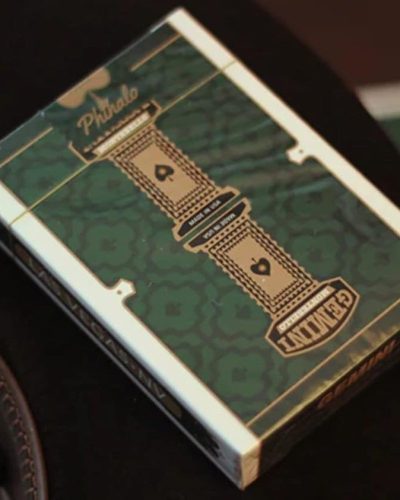
Gemini Casino Phthalo Green – Playing Cards
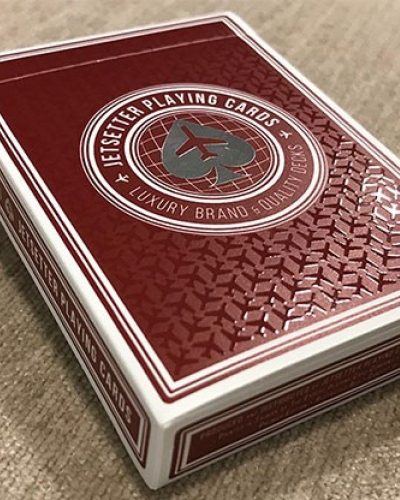
Premier Edition Restricted Red – Playing Cards
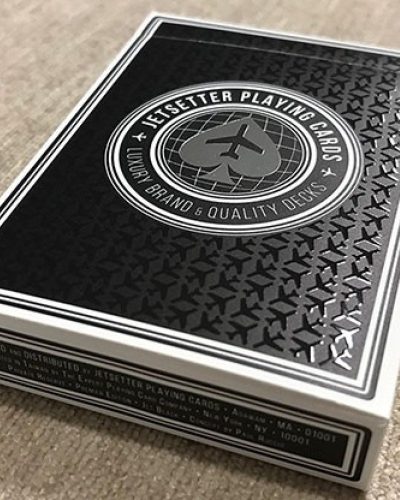
Premier Edition Jet Black Private Reserve – Playing Cards
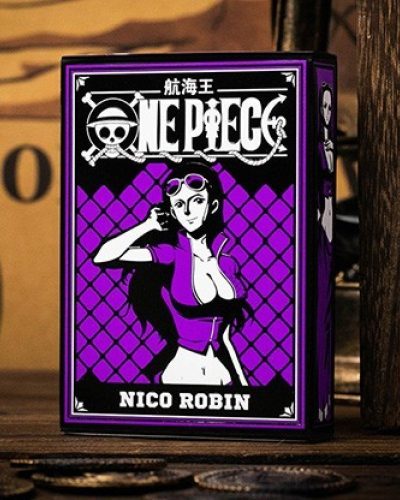
Card Mafia One Piece Robin – Playing Cards
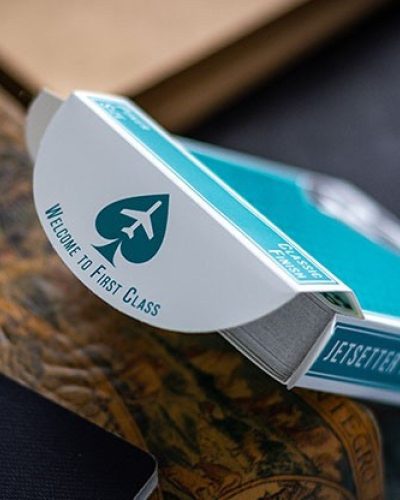
Lounge Edition Terminal Turquoise – Playing Cards
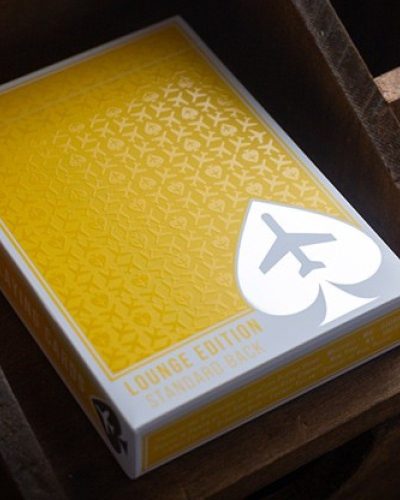
Lounge Edition Taxiway Yellow – Playing Cards
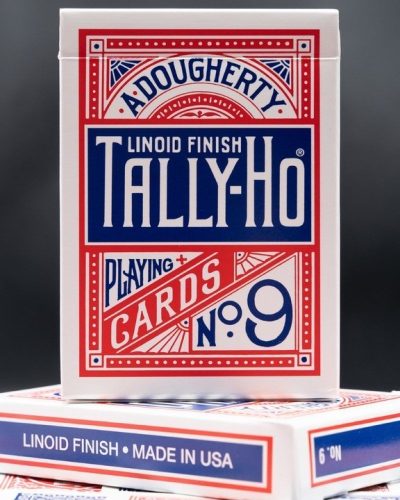
Tally-Ho Gaff – Playing Cards
Contact our team for any clarification about this document. Contact us