

Kendama Europe
Tensei Kiseki Akari GG — Kendama Europe
€72.99


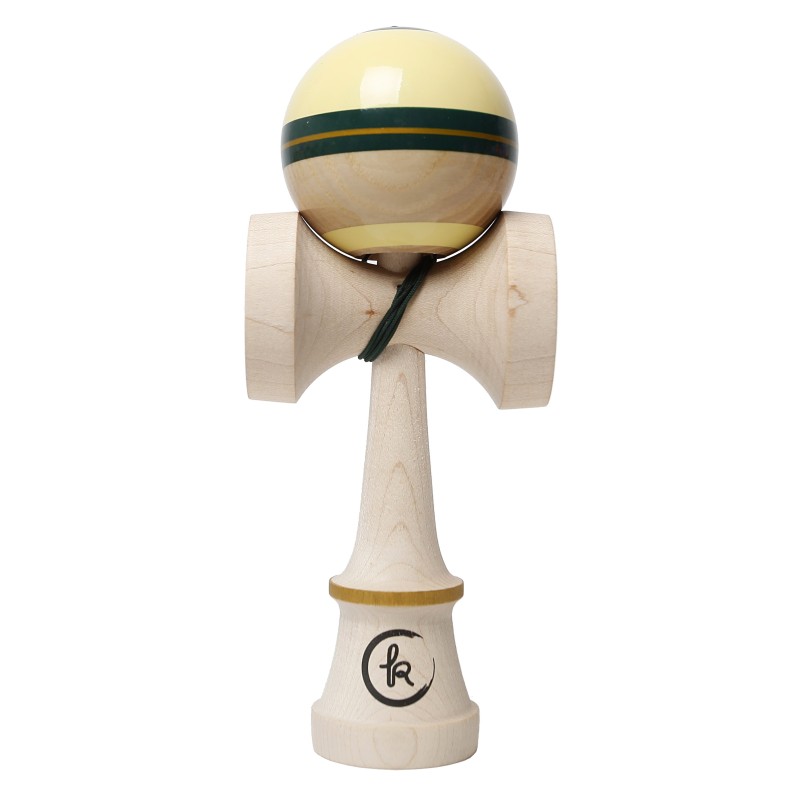
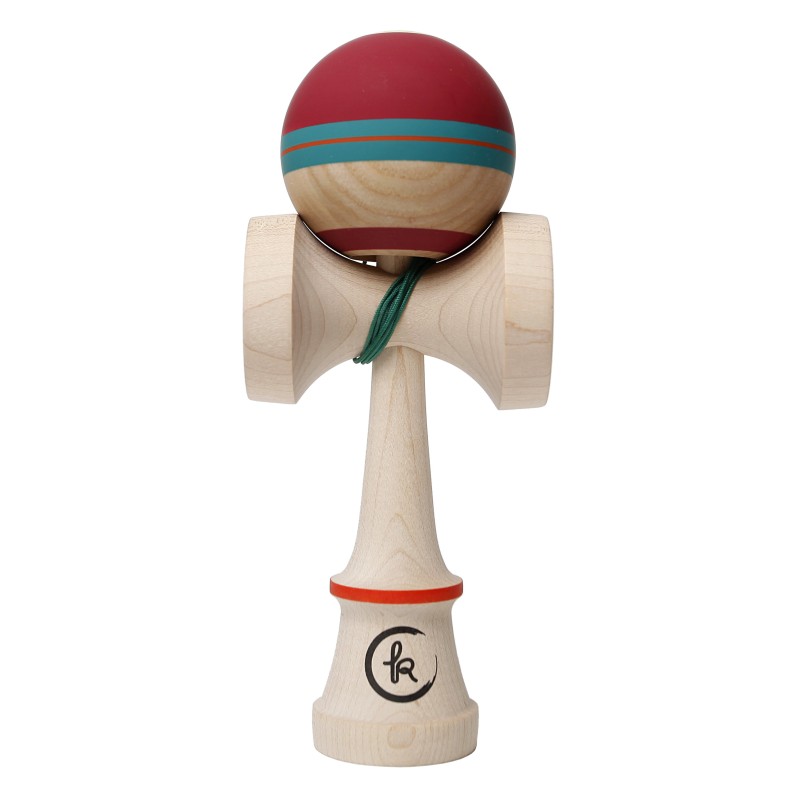
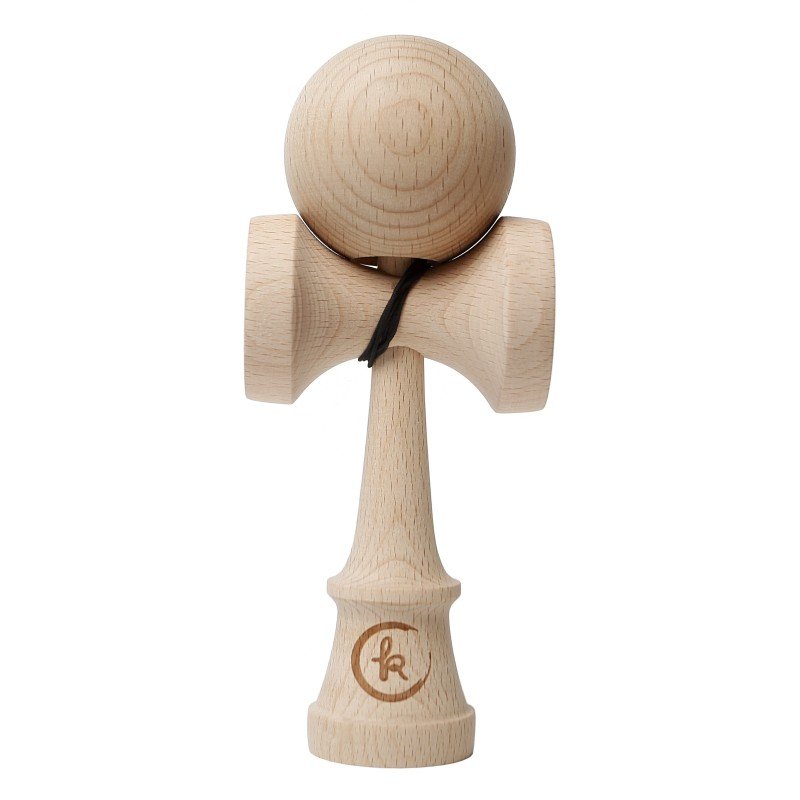
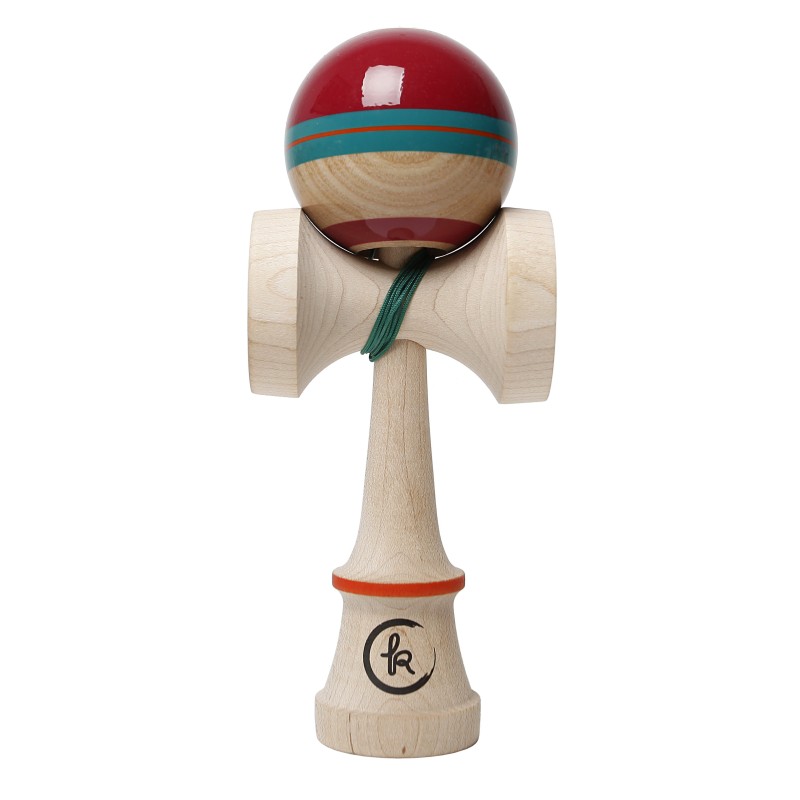
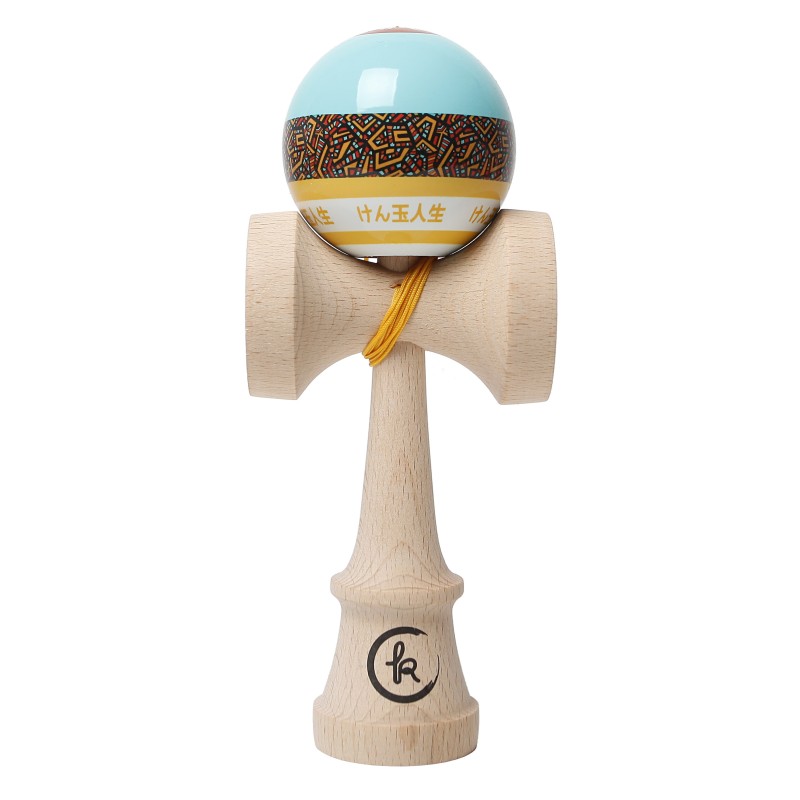
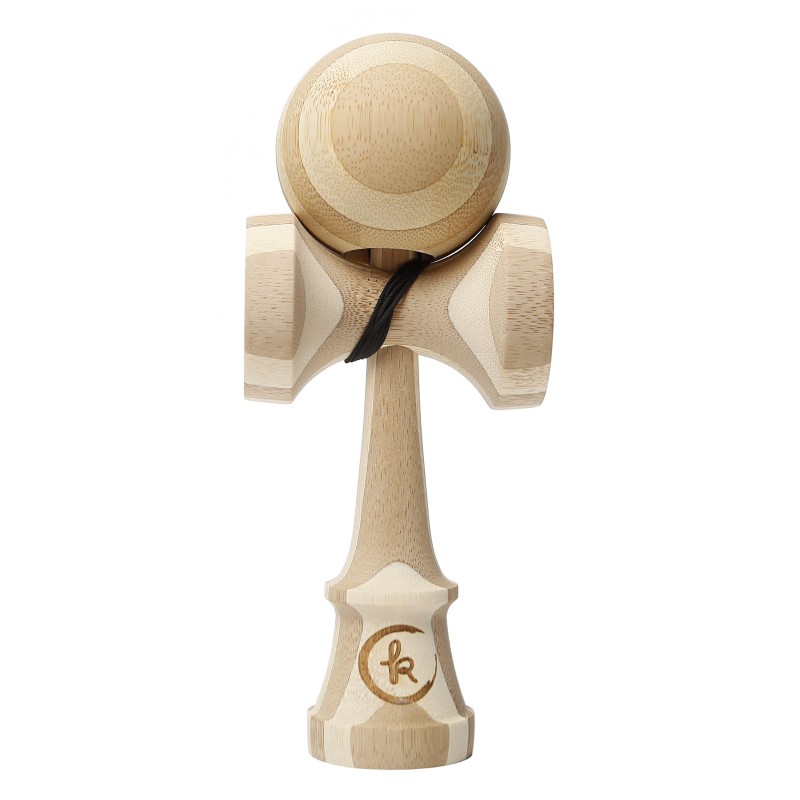
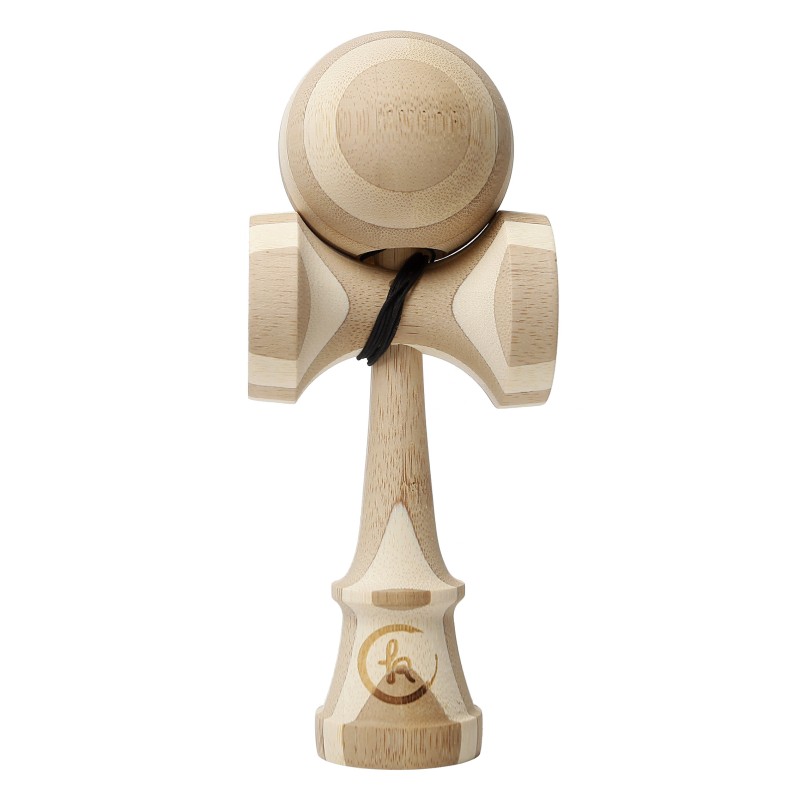
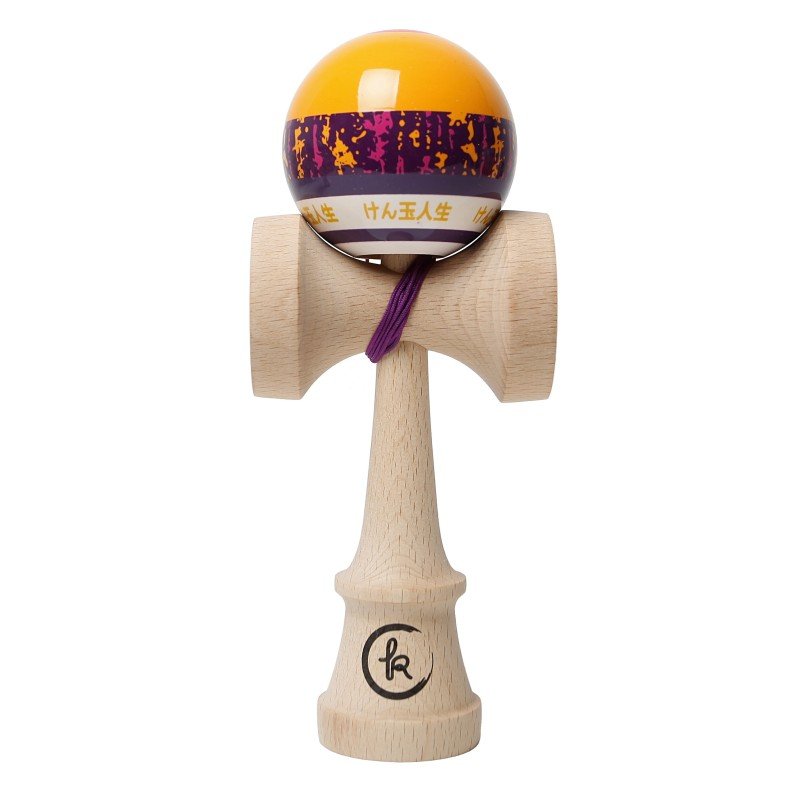
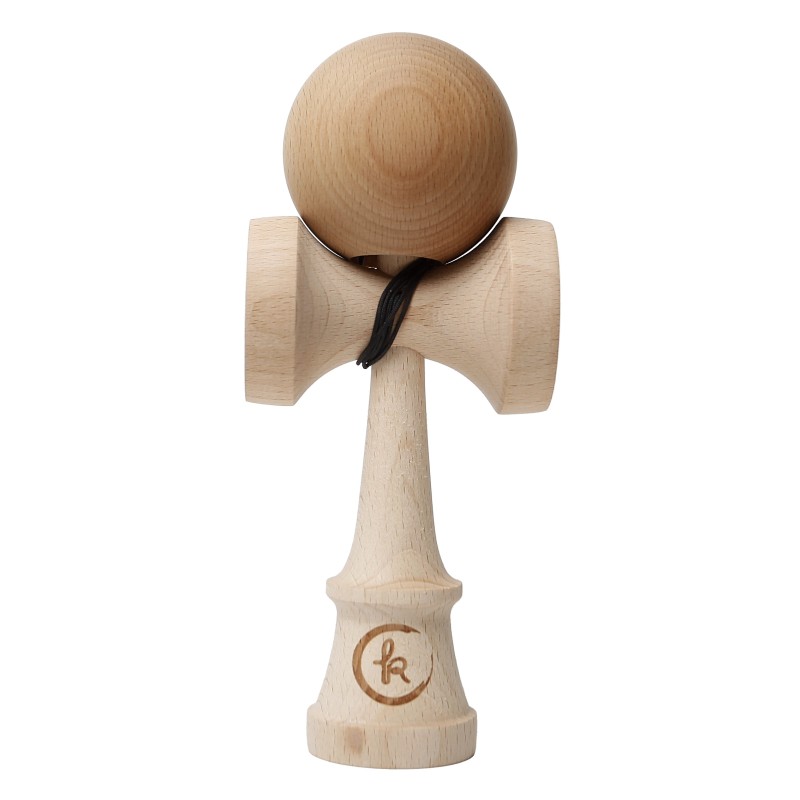

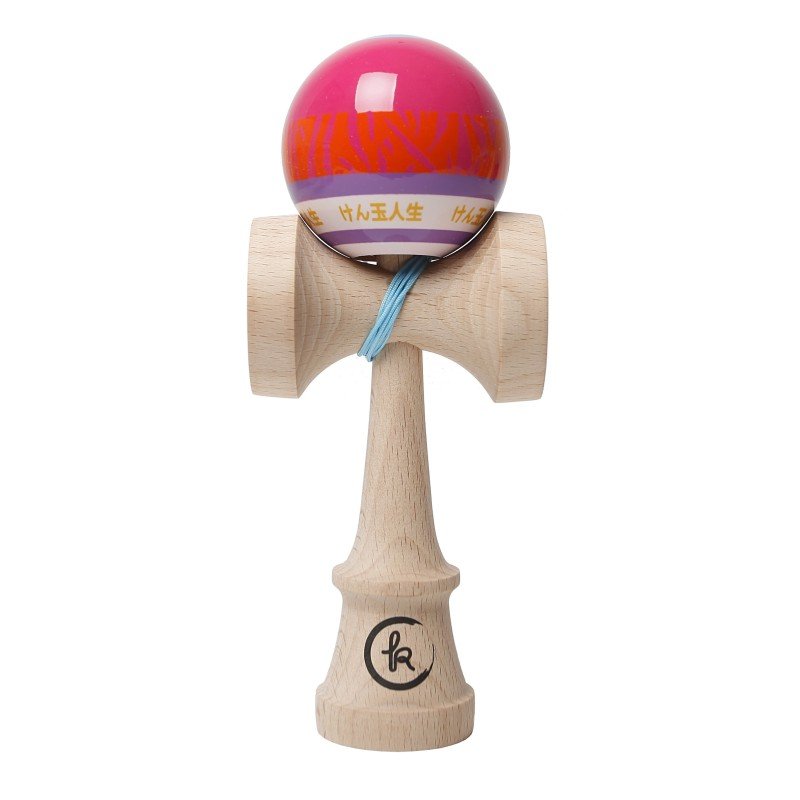
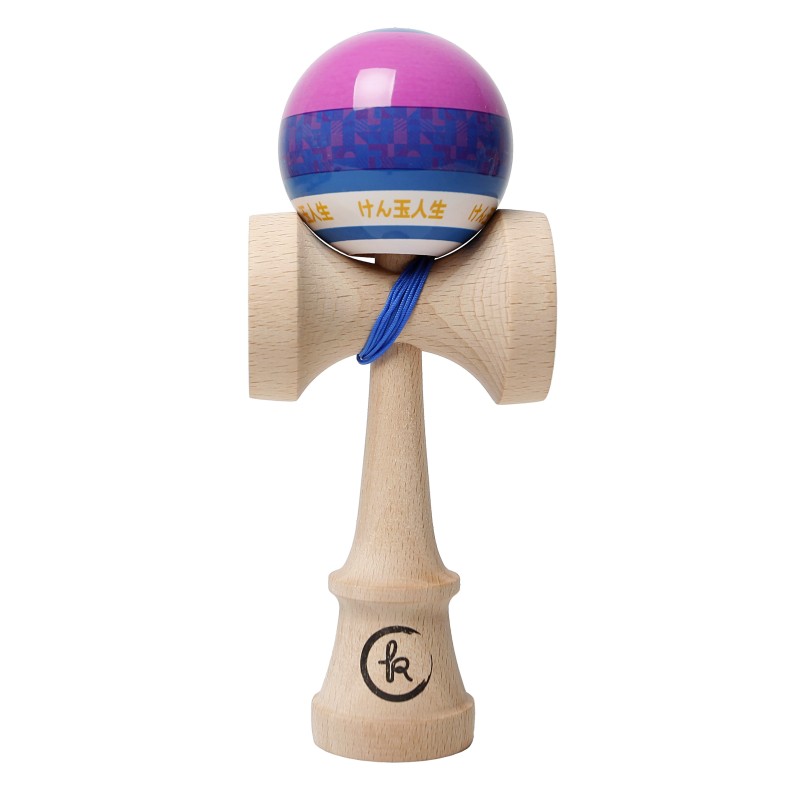
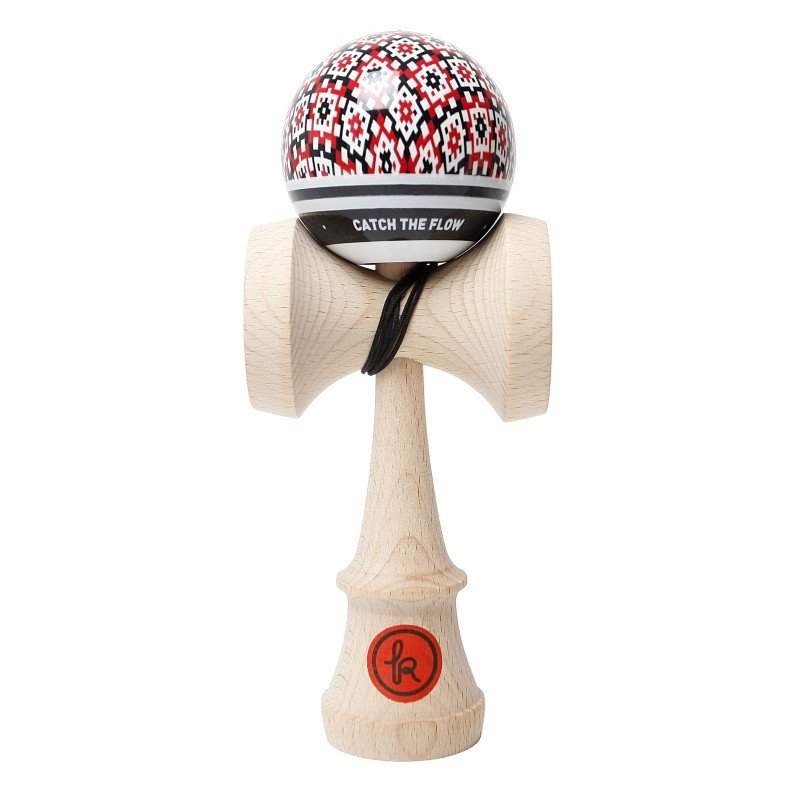
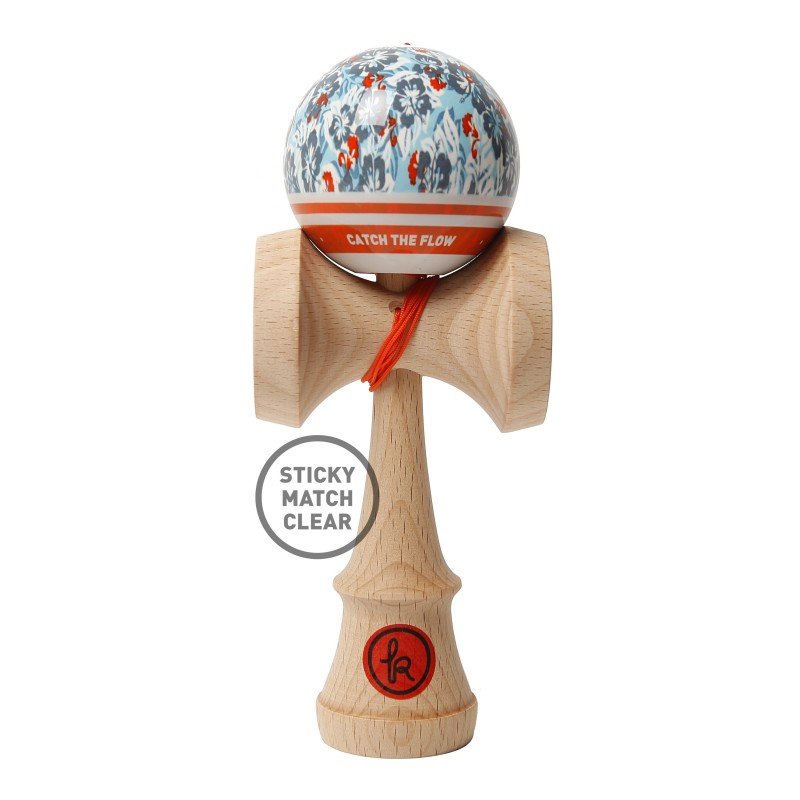
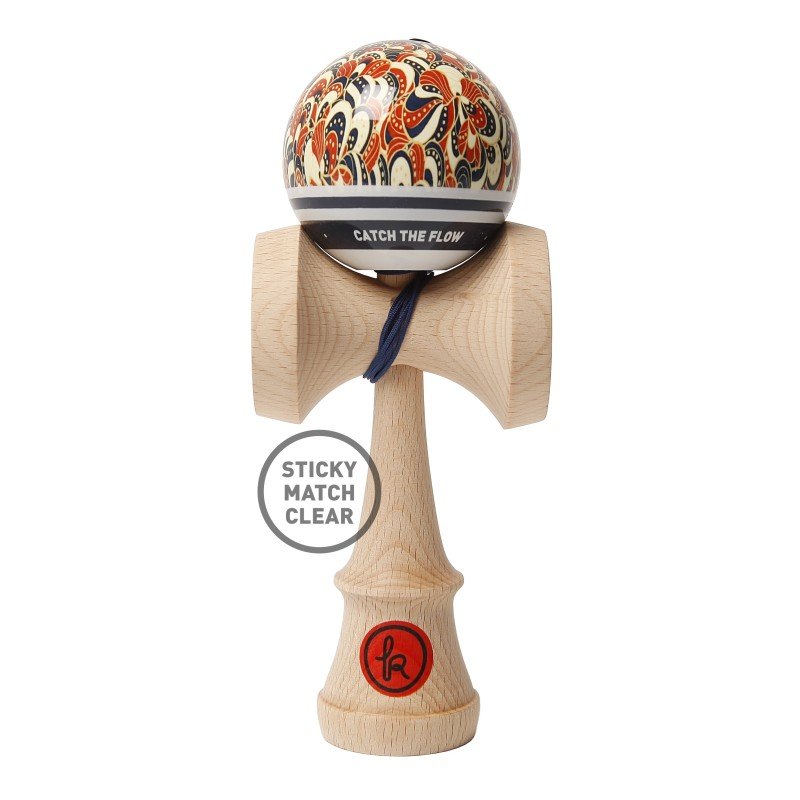
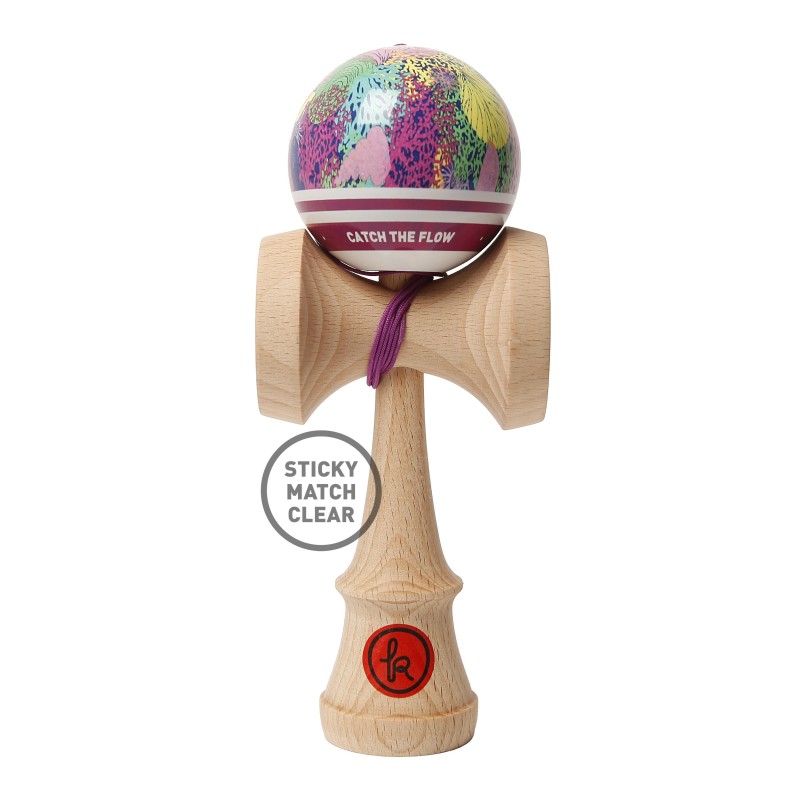
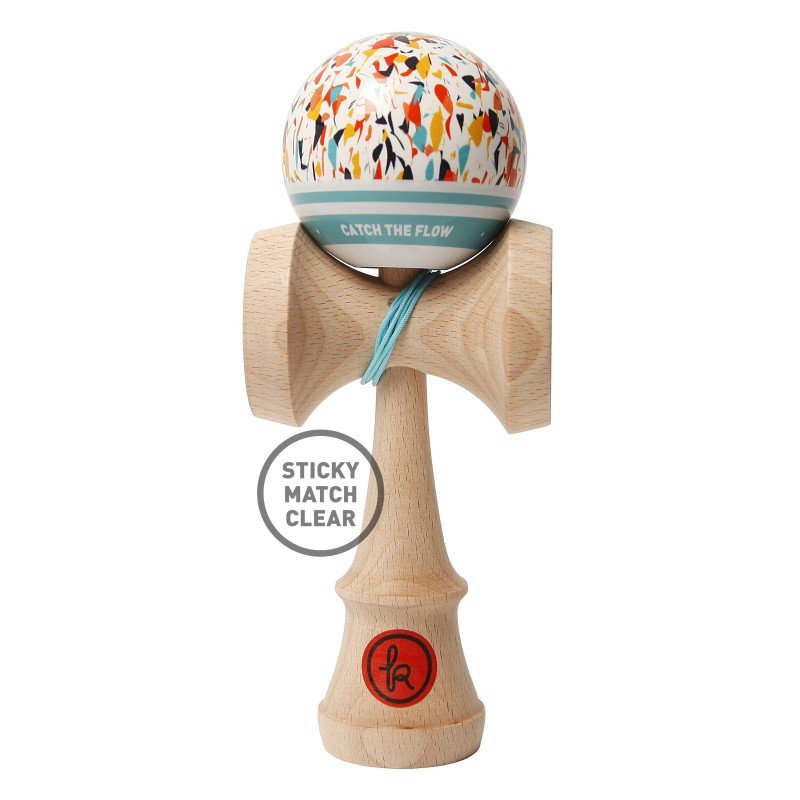
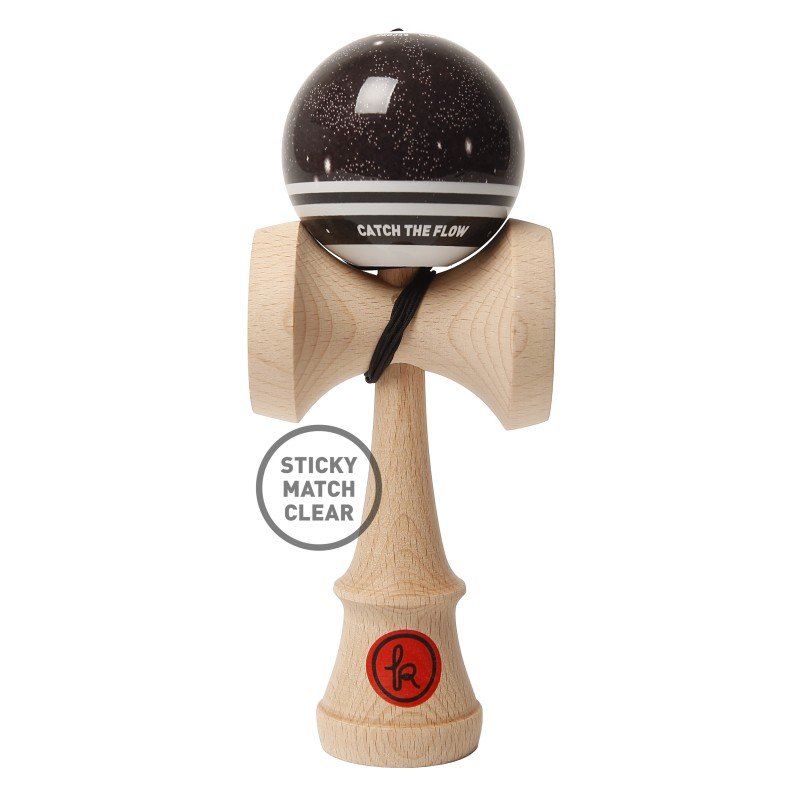
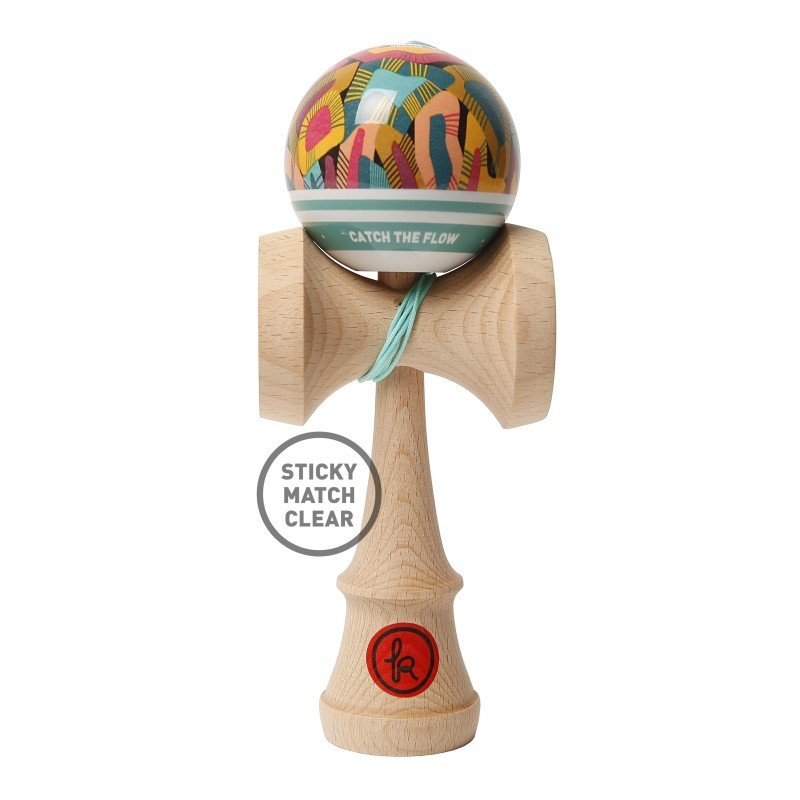
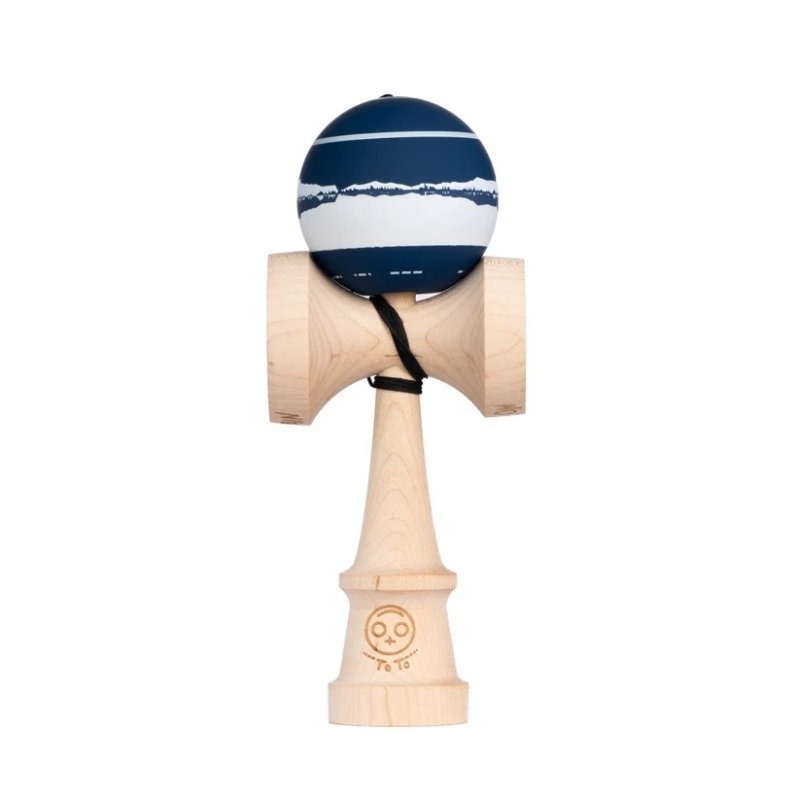
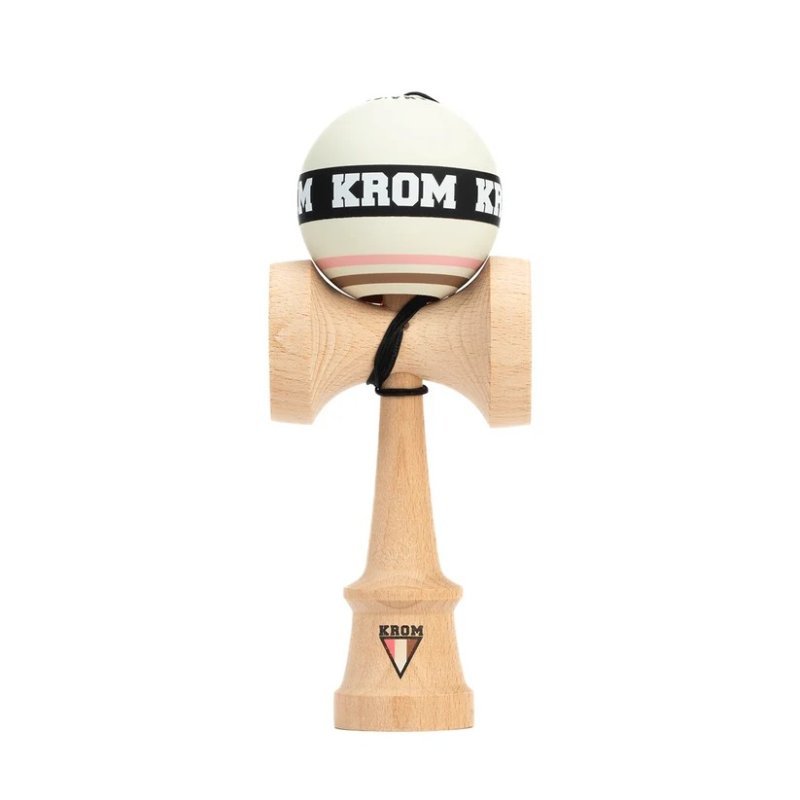
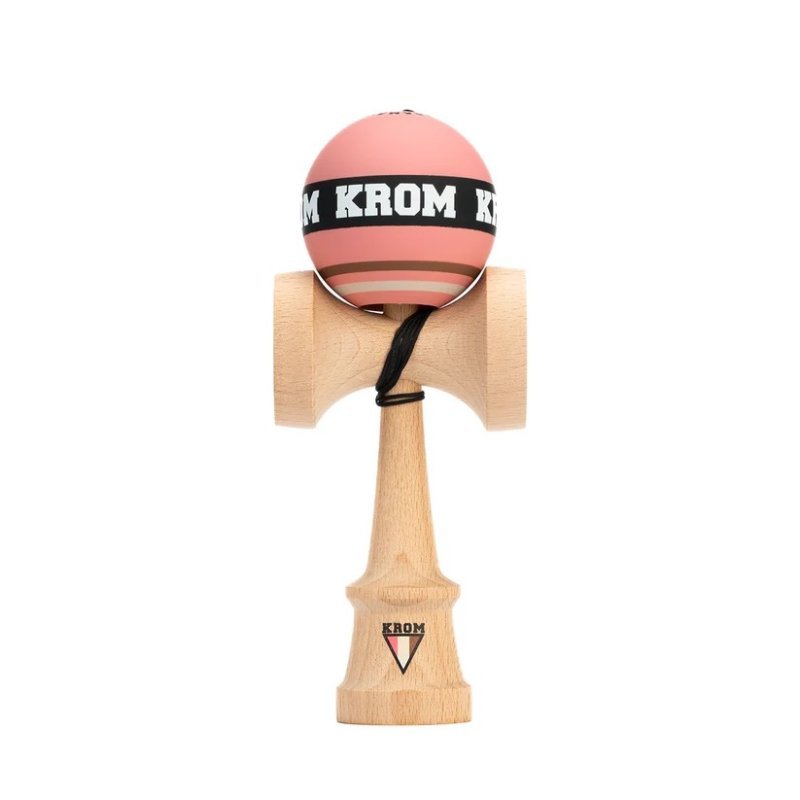
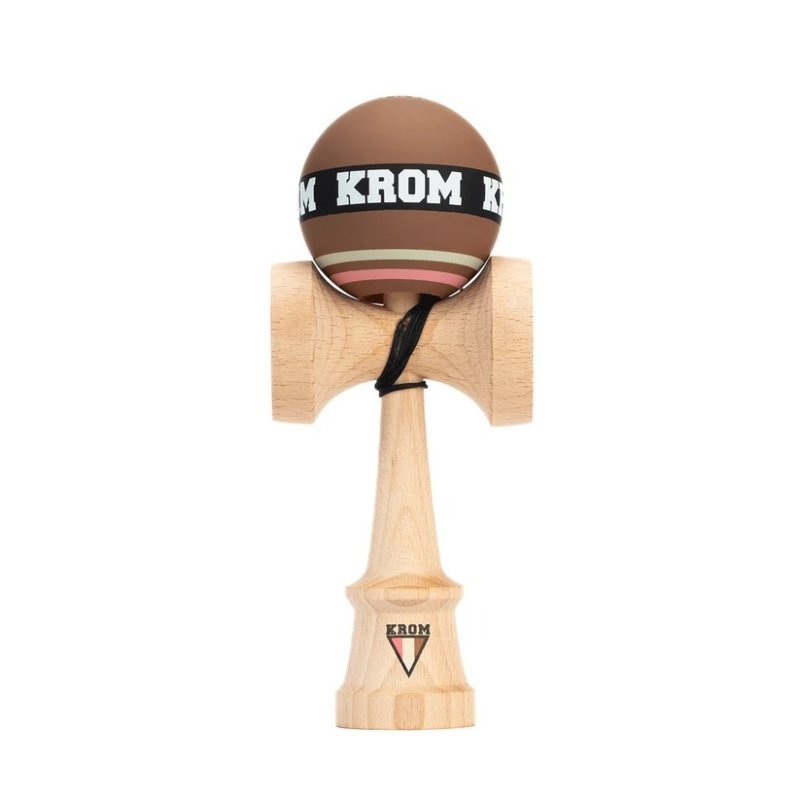
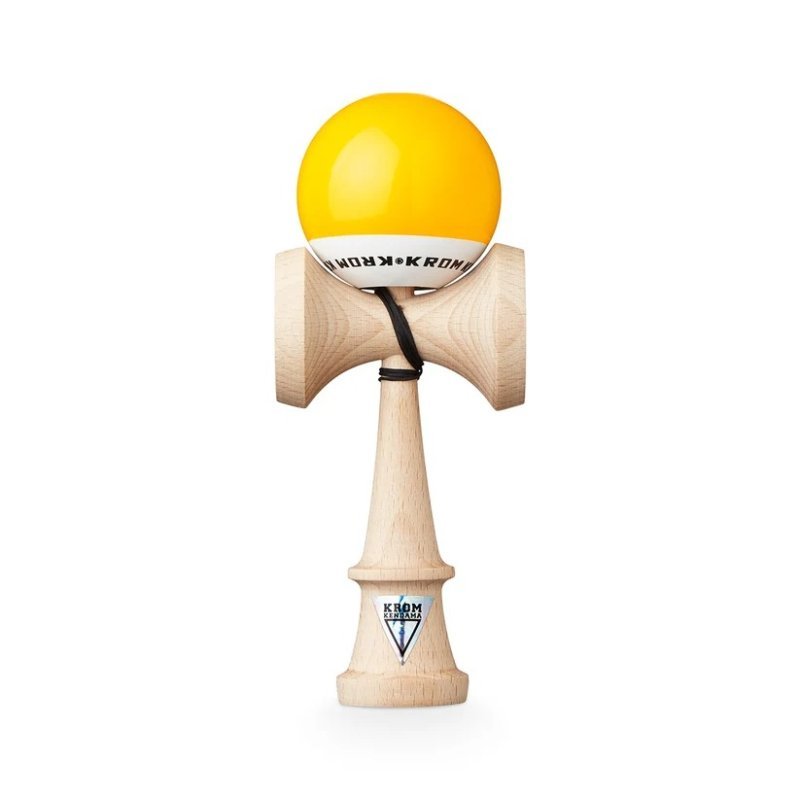
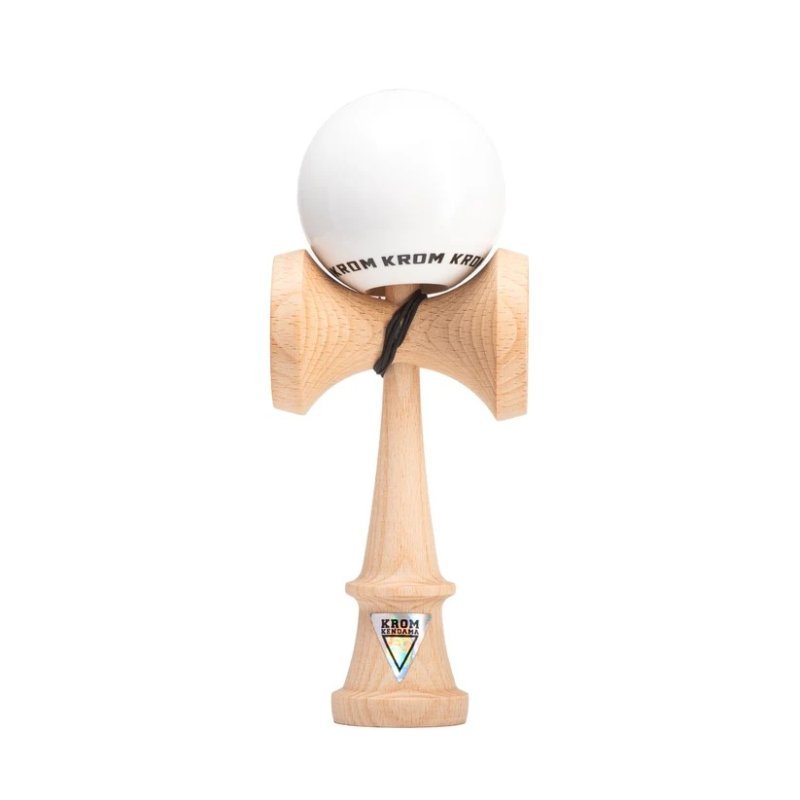
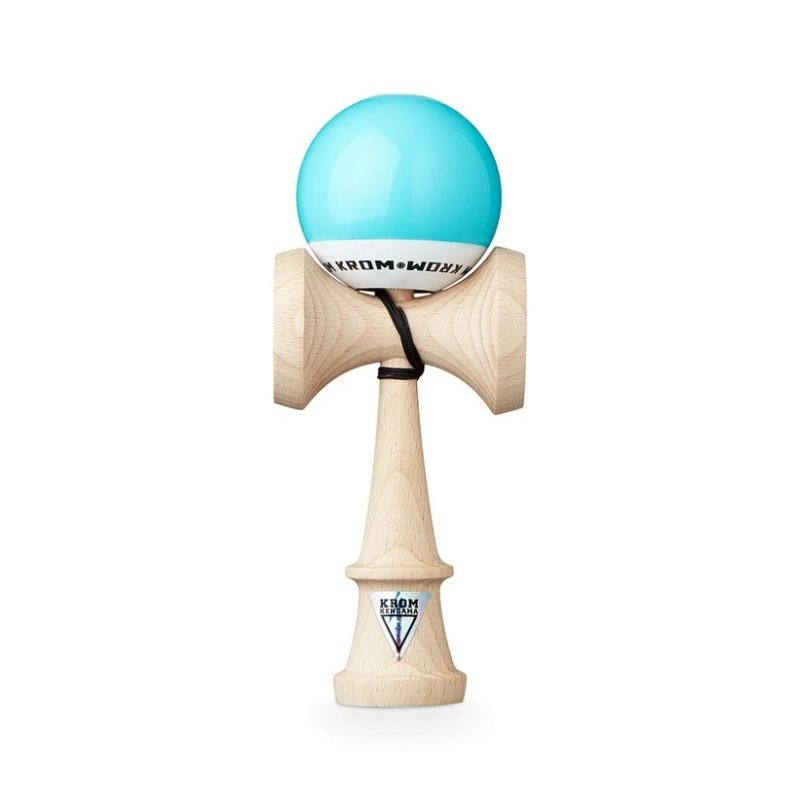

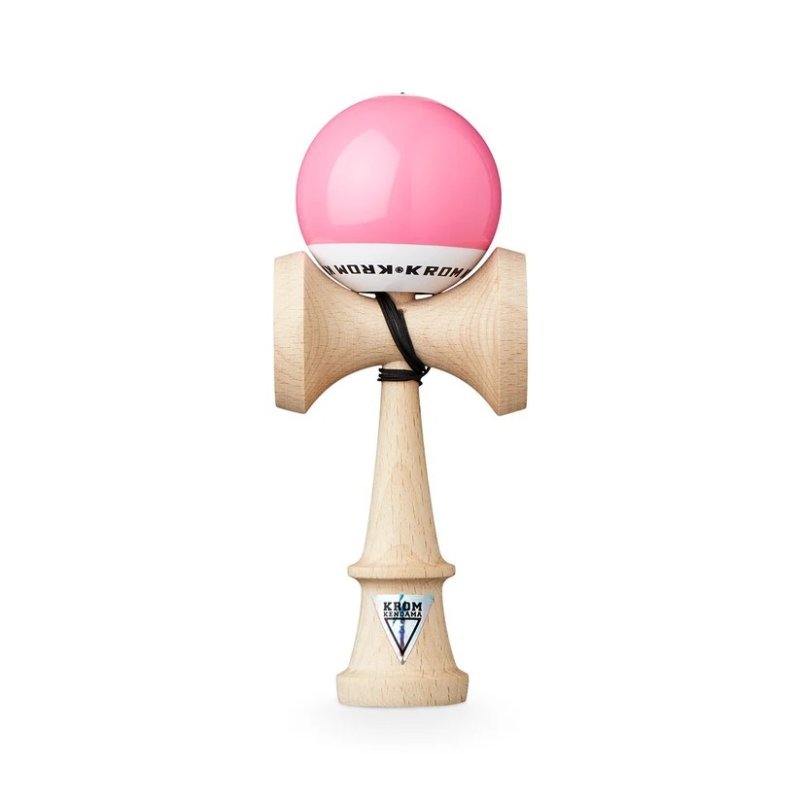
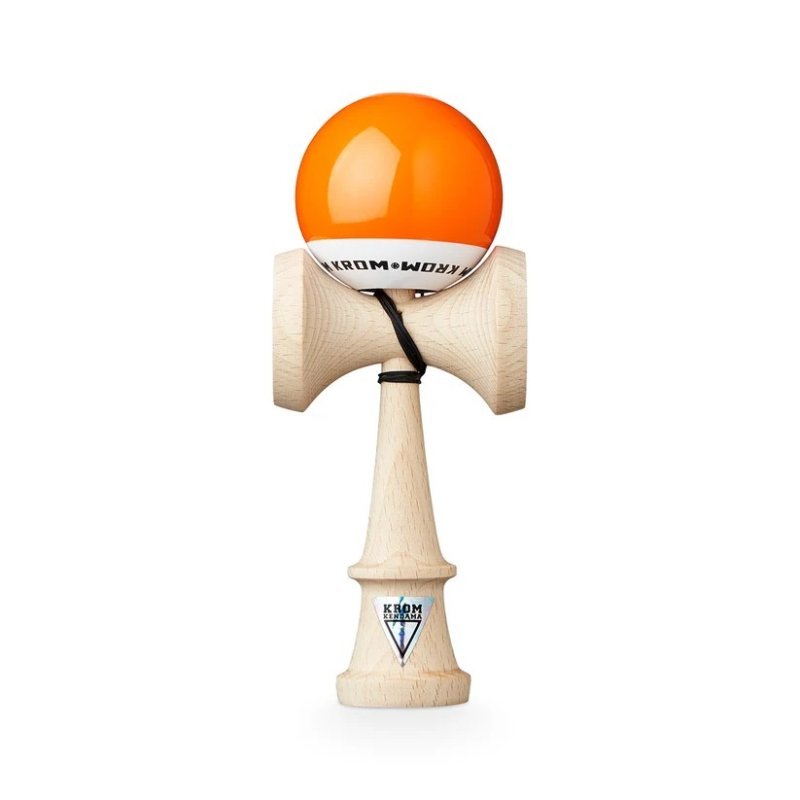

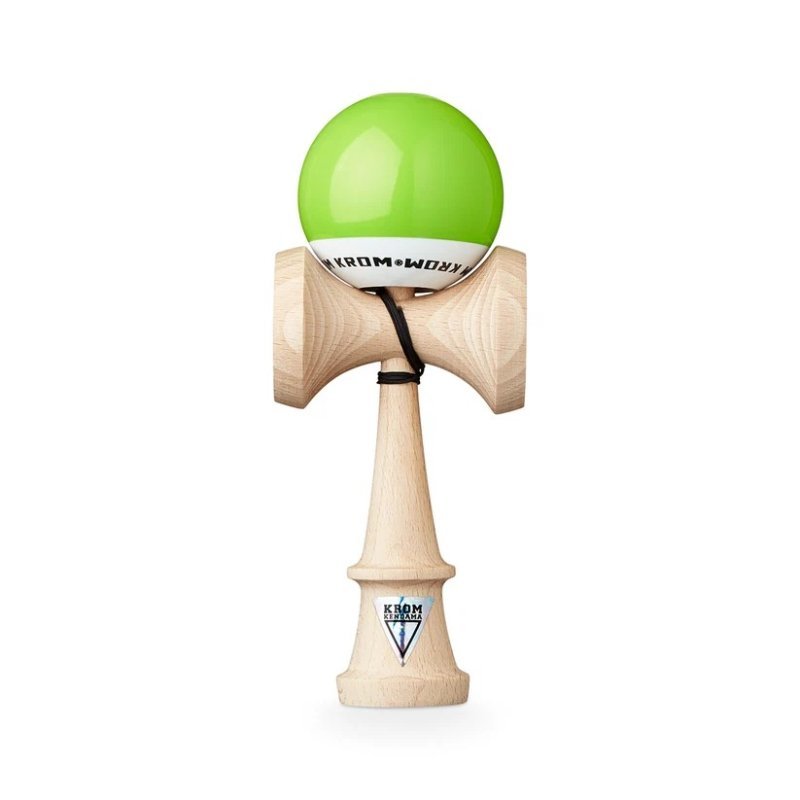
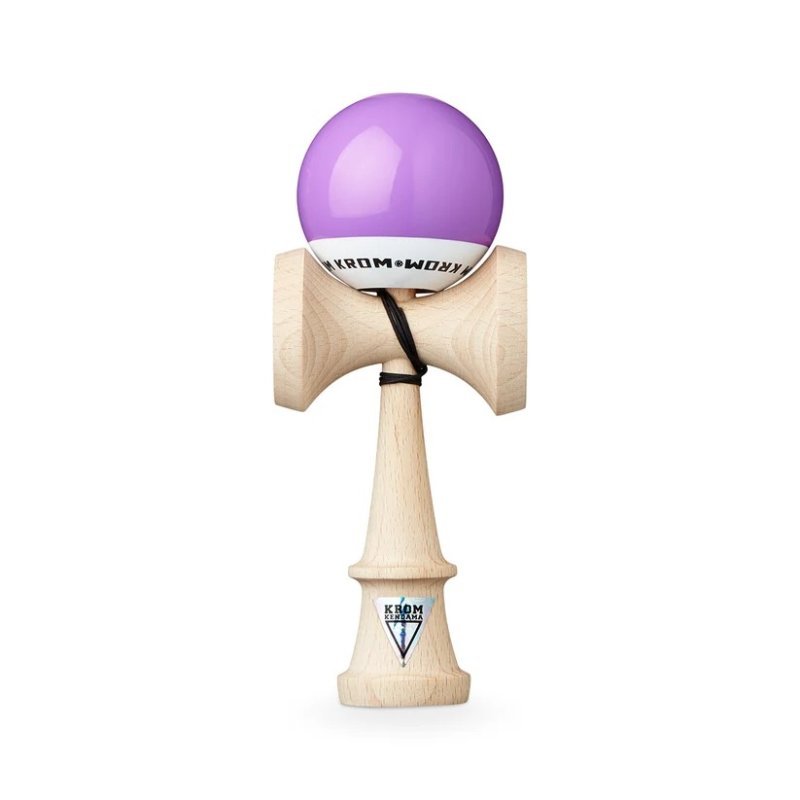
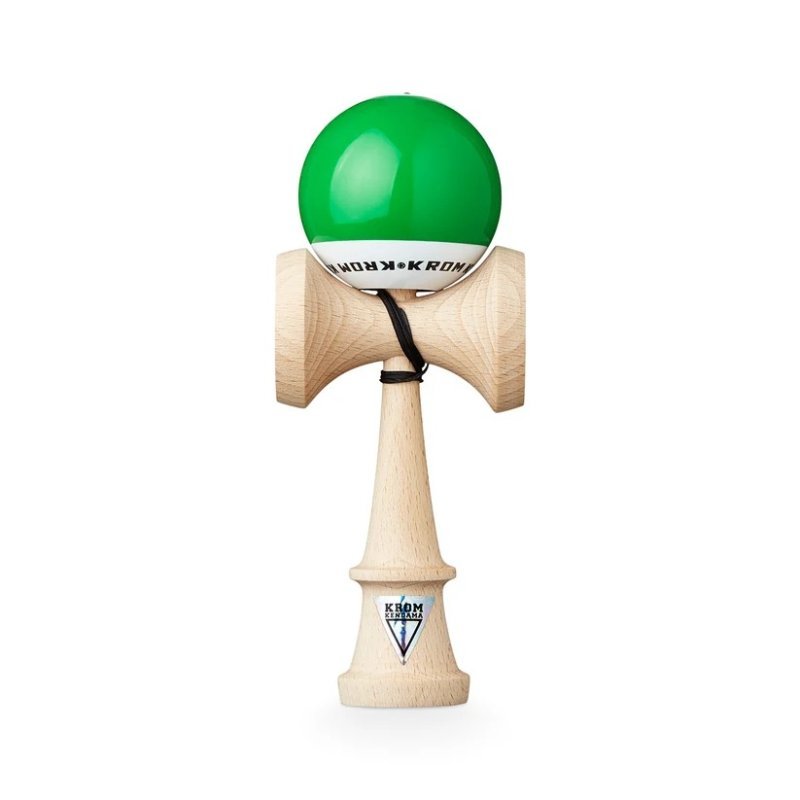
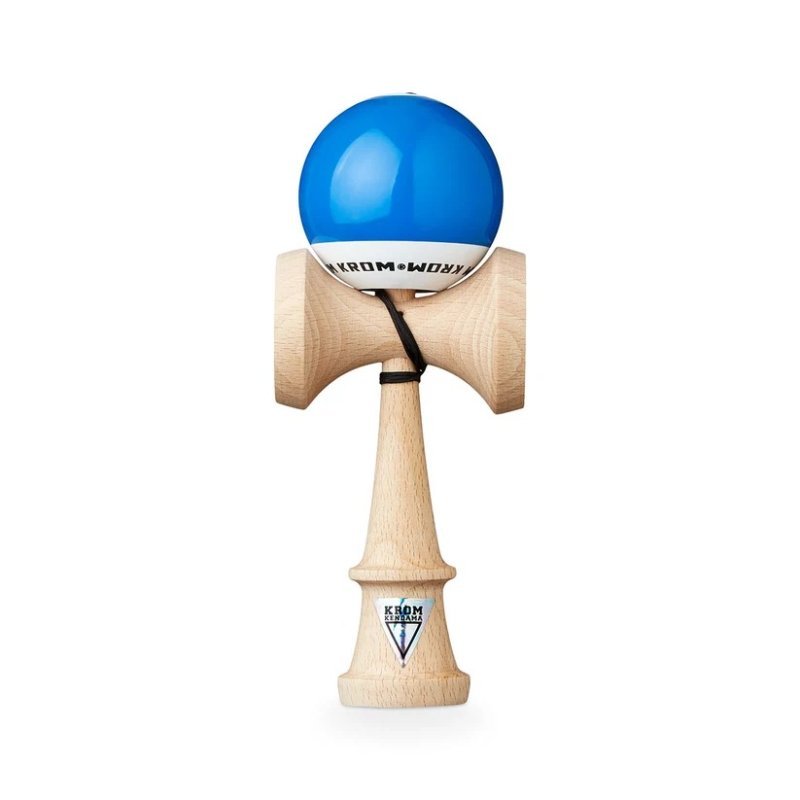
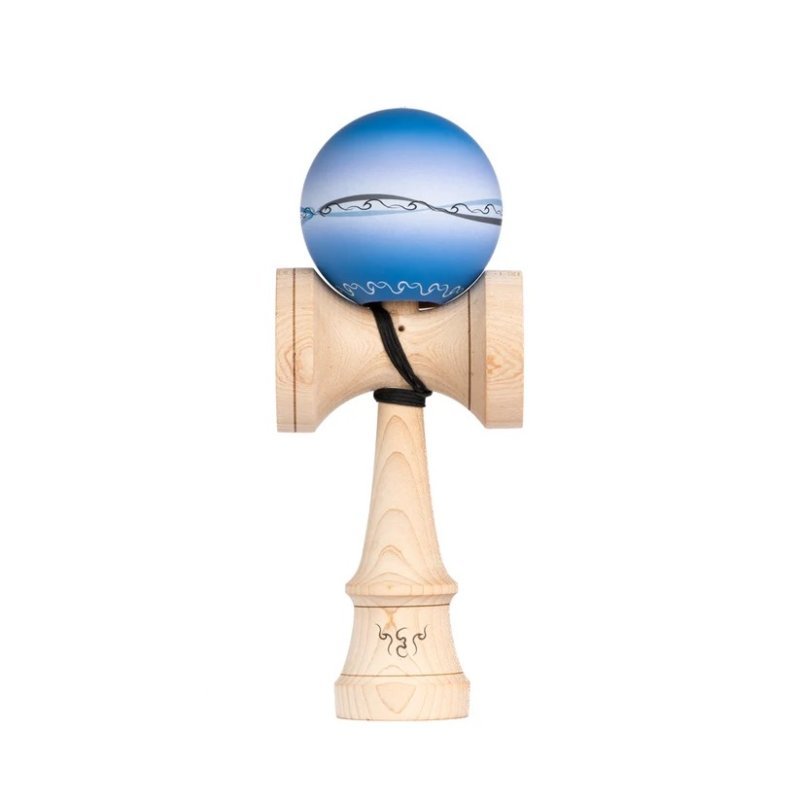
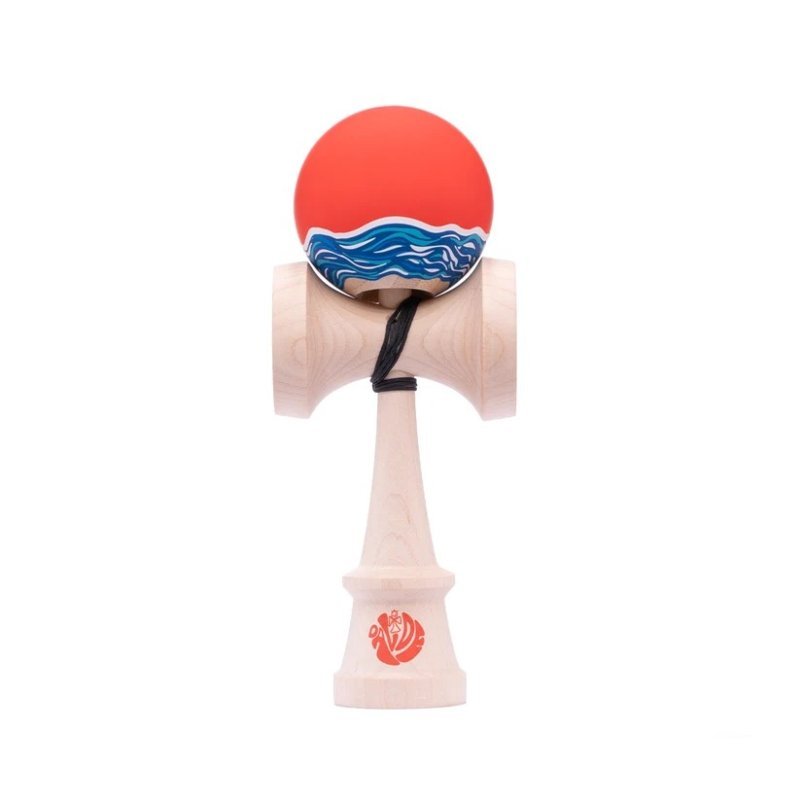
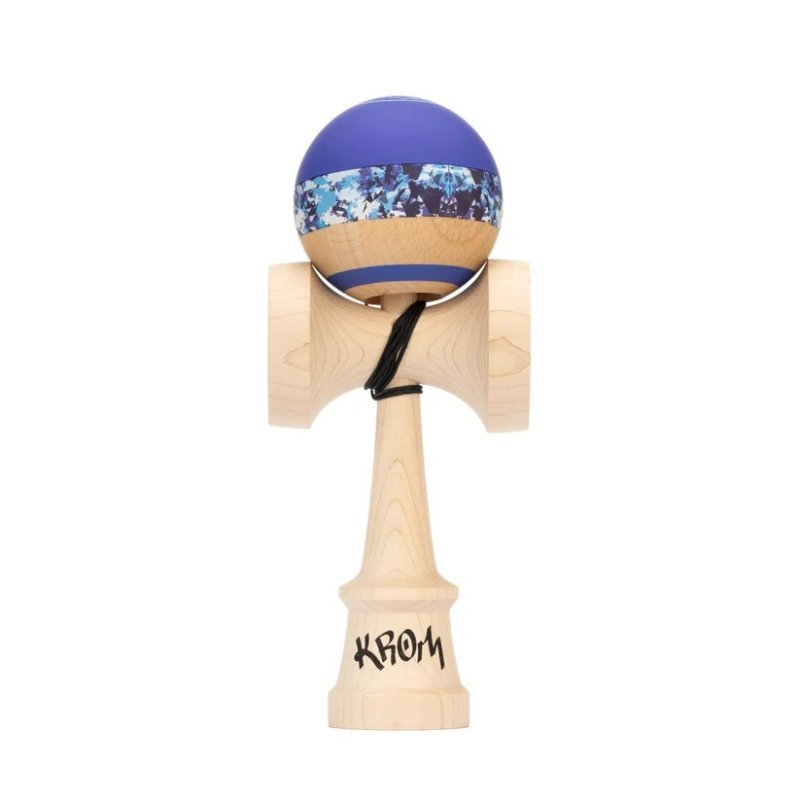
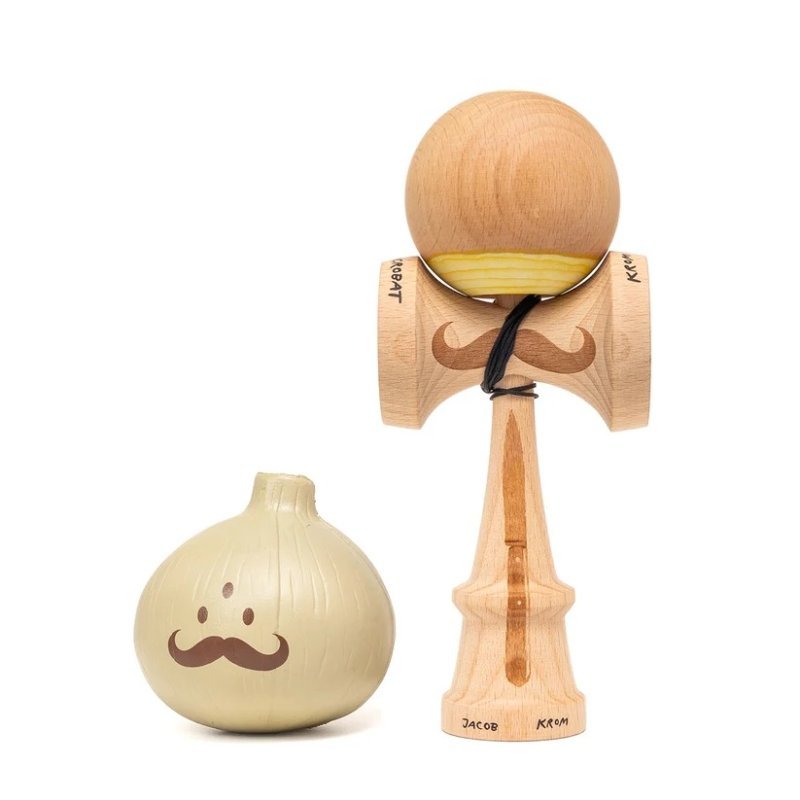


The kendama is a Japanese skill toy made of a wooden handle (ken) and a ball attached with a string (tama). In this category we bring together models from the best-known brands in today's kendama world, from entry-level versions to models built for advanced play.
The traditional kendama comes from Japan and became internationally popular from the 2000s onwards with American and European brands that adapted shapes and finishes to modern play. Today it is practised as a skill toy in many countries, with its own scene of competitions, local meet-ups and a fairly codified trick progression (cups, spike, lighthouses, lunars, juggles, stalls, combos).
There are two main shapes: the classic Japanese and modern versions with slightly modified profiles to make certain tricks easier. The most common wood is beech, though some brands use other woods with different properties.
American brand from Minneapolis, one of the most recognised internationally. Wide catalogue with lines for every level and their own Antiskid 2.0 technology.
All levelsEuropean brand focused on design and performance. A reference for those looking for a refined finish and models built for technical play.
Intermediate-advancedOne of the historic American kendama brands. Classic models with solid finishes and a recognisable catalogue.
All levelsBrand with proposals focused on technical performance. A good option for players who have moved past the beginner stage.
Intermediate-advancedEuropean brand with a more focused catalogue. Worth checking when looking for specific models.
VariedBrand with curated editions. An alternative for those who want something outside the most common brands.
VariedEntry-level models
If you have never tried a kendama, look for an entry-level model from any well-known brand (Sweets Starter, equivalents from KROM or Kendama USA). Standard shape, no technical finishes, enough to learn the essential moves (cups, spike) in the first few weeks.
Intermediate lines with more refined finish
Once you handle the basics and start with lunars, juggles or short combos. This is where the intermediate lines come in (Sweets Prime, mid-range KROM models, etc.), with more refined finishes and still standard shapes.
Advanced models with specific finishes
For balance tricks (lunars, lighthouses, stalls), long combos or competition. High-end models from each brand, usually with non-slip finishes (like Sweets Antiskid) and optimised shapes, make a real difference at this level.
Before choosing, there are three technical aspects worth understanding:
If you want to dig deeper, here are three useful resources:
There is no single answer, but entry-level lines from recognised brands (Sweets Starter, basic models from KROM or Kendama USA) are reasonable options. The important thing is to pick a kendama with standard shape and simple finish, without advanced technologies you will not yet take advantage of.
Basic tricks (cups, spike) are learned in days or weeks of regular practice. Intermediate moves (lunars, juggles) take months. Advanced tricks can take years of practice. Progression is fairly codified in the kendama world and there is always a next level.
The classic Japanese keeps the traditional shape with relatively small cups and a simple finish. Modern Western versions usually have slightly wider cups, controlled-friction finishes and other adaptations to make tricks like lunars or stalls more accessible. For modern competitive play, Western models are more common.
It is a matte finish developed by Sweets Kendamas to add controlled friction to the cups and the base of the ken. It helps with balance tricks where the ball has to stay in place. Other brands have their own finishes with the same idea (sticky, tacky), though the Antiskid name belongs to Sweets.
Yes. Kendama does not need much space: a couple of metres clear around you is enough for most tricks. Just keep in mind that the ball in swing can hit nearby objects until you have more control.