
Three Player Card Games: 26 Card Games for 3
Three player card games by deck: hearts, 500, cribbage, Skat, dou dizhu and more, with how to deal for three and how to adapt four-player games.
In short
Three player card games work best in two forms: games where one plays against two in each hand (500, Skat, French tarot, dou dizhu, ombre and its Spanish form tresillo) and games where it is every player for themselves with a deal that comes out even (hearts, three-handed cribbage, durak, canasta for 3, and the Spanish games brisca and escoba). Below you will find 26 card games for 3 grouped by deck, with how many cards are dealt, how long they last and how hard they are, plus how to adapt a four-player game for three people.
- With a standard 52-card deck: hearts, 8-5-3 (Sergeant Major), 500, dou dizhu, cribbage, canasta and durak.
- With short decks or a tarot deck: Skat, preferans, 1000, three-handed belote, French tarot and calabresella.
- With the Spanish deck: tresillo, tute for three, auction tute, tute cabrero, brisca, escoba and chinchón.
Three is an awkward number for most card games. You cannot form partnerships, and the common decks do not divide well by three: 40 cards leave one over, 52 leave one, 32 leave two. The games that were made for three solve both problems at once. They leave a few cards face down (a talon, a skat, a widow) and in each hand one player takes on the other two, who team up for that hand and go back to being rivals in the next. This is the model behind Spanish tresillo, German Skat, French tarot and Chinese dou dizhu, which is why these games look so alike even though they grew up far apart.
The other solution is for everyone to play on their own and to remove a card or two so that the deal comes out even. That is how three-player hearts works (without the two of diamonds), as well as brisca for three (without one two) and tute for three, where the spare card sets the trump suit. We have grouped the games by the deck they need, because that is usually what decides things at home, and at the end there is a practical section on turning a four-player game you already know into a game for three. If there are two of you, see our two player card games; if there are more, see card games for 4 or more players.
Card games for 3 with the Spanish deck
The Spanish deck of 40 cards (suits of coins, cups, swords and clubs) has a three-player game with more than four centuries of history, tresillo, and a whole family of tute variants designed for three. Add brisca and escoba, which take three players with very few changes, and chinchón, a Spanish rummy that plays the same with three as with four. Most of them have a full guide on our site; here is what changes when there are three of you.
Tresillo (ombre)
9cardsOmbre (in Spanish, el hombre), born in Spain around 1600, was one of the fashionable games all over Europe in the 17th and 18th centuries. Tresillo is its modern Spanish form: one player chooses trumps and has to take more tricks than each of the two opponents separately.
- Spain
- 40-card Spanish deck
- 9 cards and 13 in the stock
- Hard
How to play
Each player is dealt nine cards and the remaining thirteen stay face down as the stock. There is an auction with three contracts, from lowest to highest: entrada (the winner names trumps and exchanges cards with the stock), vuelta (trumps are set by the top card of the stock, which is turned over) and solo (the winner names trumps but cannot exchange). Whoever wins the auction is the hombre; the other two play together against them for that hand.
The card ranking is the hardest part to learn. The three highest trumps are always the ace of swords, the mala (the two of trumps if trumps are swords or clubs, the seven if they are cups or coins) and the ace of clubs; together they are called the estuche. On top of that, in cups and coins the number cards run in reverse, so the two beats the seven. If the hombre takes five tricks, or four with the others split three and two, the game is made. If they tie with an opponent it is a puesta and they pay into the pool; if an opponent beats them, it is codillo and they also pay that opponent.
Ombre left descendants across half of Europe and is still alive as l'hombre in Denmark and as rocambor in Peru and Bolivia.
Tute for three
13cardsTute is a classic Spanish trick-taking game, and this is the simplest way to play it with three: the whole deck is dealt, thirteen cards each, and the spare card is placed face up to set trumps. With no stock to draw from, everything depends on counting well from the first trick.
- Spain
- 40-card Spanish deck
- 20-30 min
- Medium
How to play
With 40 cards and three players there is one card left over, which is turned face up (the pinte) and decides the trump suit. Before the first trick, depending on the table, whoever holds the seven or the two of trumps may swap it for that card. The rules are those of partnership tute: you must follow suit, play higher if you can, and trump if you cannot follow. You declare a king and knight of the same suit for 20, or 40 in trumps. Collecting all four kings or all four knights is tute and wins the hand.
Scoring varies: some tables add up each player's points and others only count who loses each hand, up to an agreed number of losses. All the basics are in our tute rules.
Auction tute (tute subastado)
36cardsTute with bidding: whoever promises the most points chooses trumps and plays alone against the other two. With three it is especially well balanced, because the twos are removed and each player gets twelve cards.
- Spain
- Spanish deck without the twos
- Bidding from 60
- Medium
How to play
The four twos are taken out, leaving 36 cards, twelve per player. The player to the dealer's right bids first: either pass or call a number of at least 60, and each following player must go up in fives or drop out. The winner of the auction names the trump suit and has to reach the points promised with tricks and declarations; the other two join forces to stop them. If they succeed they score the bid; if not, they lose it.
It is a good step between tute for three and tresillo, because it brings in bidding and one-against-two play with the usual deck and card values.
Tute cabrero
3-6playersA tute variant in which the loser is not the lowest scorer but the player in the middle. With three players it calls for careful thinking: sometimes it pays to let someone else win so you are not left in the middle.
- Tute variant
- 40-card Spanish deck
- 30-45 min
- Medium
How to play
With three players each gets thirteen cards and the spare goes in the centre. In the first hand coins are trumps and whoever has the two of coins swaps it for the centre card; in later hands the centre card is turned face up and its suit is trumps. At the end the scores are compared: if all three have taken tricks, the player with the middle score loses; if only two have taken tricks, the lower of the two loses. Each loss is recorded, and whoever reaches the agreed number is out.
Brisca for three
39cardsBrisca is the Spanish cousin of Italian briscola: a light trick-taking game where you hold only three cards. For three, the only change is removing one two so the deck deals out evenly. Everyone plays for themselves, drawing after each trick.
- Spain and Italy
- Spanish deck without one two
- 10-15 min per hand
- Easy
How to play
One two is removed (twos score nothing, so the total stays at 120) and 39 cards remain. Each player gets three cards, a card is turned up to set trumps, and play is the same as for two: there is no need to follow suit, the trick goes to the highest trump or the highest card of the suit led, and the winner draws first. Ace 11, three 10, king 4, knight 3 and jack 2. With three players and no partnerships, the highest score wins. Italian briscola for three is played in exactly the same way. Full rules in brisca rules.
Escoba for three
15the sumEscoba is a Spanish fishing game where you capture cards that add up to fifteen. It takes three players without any changes: three cards each, four on the table. With three there are more cards in play each round and sweeps are a bit harder.
- Spain and Latin America
- 40-card Spanish deck
- 20-30 min to 21
- Easy
How to play
Each player gets three cards and four are placed face up. That leaves 36 cards, exactly enough for four deals of three cards each. The jack counts 8, the knight 9 and the king 10. With a card from your hand you take the table cards that make fifteen with it, and clearing the table is an escoba (a sweep). After each full deal every player counts their pile: most cards, most coins, the seven of coins, the sevens and the sweeps. Play to 21. Full details in escoba de 15 rules.
Chinchón for three
7cardsChinchón, the Spanish version of rummy, needs no changes for three: seven cards each and a single deck. With three players the draw pile lasts a good while, and the discards of the player just before you are the most useful information at the table.
- Spain
- 40 or 48-card Spanish deck
- 30-45 min
- Easy
How to play
Seven cards are dealt and you draw from the stock or the discard pile to form sets of three or four of a kind and runs of three or more in the same suit. You go out when your loose cards are worth little, and everyone adds up what they have not melded. Anyone who goes over 100 (or 70) is out, and play continues until only one player is left. Rules in chinchón rules.
Three player card games with short decks and tarot
In Germany, France, Italy and Eastern Europe the great games for three use 32 or 24-card decks, or the 78-card tarot deck. All of them follow the same idea as ombre: bidding, one player alone against two, and a few cards set aside for whoever wins the bid. The clearest example is Skat, whose deal is shown in this bar: ten cards per player and two face down.
Germany and Eastern Europe
Skat
32cardsGermany's national card game, born in Altenburg in the early 19th century. It has international rules, tournaments and a very particular way of bidding, where you do not bid points but the value of the game.
- Germany
- 32 cards (7 to ace)
- 10 cards and 2 in the skat
- Hard
How to play
Each player gets ten cards and two stay face down: the skat. The bidding (Reizen) is not done in points but in the value of the game you think you can win, starting at 18 and going on to 20, 22, 23, 24, 27, 30... Whoever wins the bid may pick up the skat, discard two cards and announce their game: a trump suit, grand (only the jacks are trumps) or null (a promise to take no tricks at all).
The four jacks are always the highest trumps, in the order clubs, spades, hearts and diamonds. Cards are worth ace 11, ten 10, king 4, queen 3 and jack 2, 120 in total, and the declarer only needs 61 to win (the opponents need 60). With four at the table, the dealer sits out each hand. A full explanation, including how to work out the value of each game, is in our Skat rules.
Preferans
32cardsThe Russian version of préférence, a game born in the Austrian Empire in the early 19th century. Widely played in Russia and much of Eastern Europe, it is a contract game where the declarer's opponents decide whether or not to take them on.
- Russia and Eastern Europe
- 32 cards
- 10 cards and 2 in the talon
- Hard
How to play
Each player is dealt ten cards and two go to the talon. You bid a number of tricks (six to ten) and a trump suit, ranked from lowest to highest as spades, clubs, diamonds, hearts and no trumps. The winner of the auction takes the talon and discards two. The other two then decide whether to defend (in the game's own jargon, whether to "whist") or drop out, and every trick a defender takes also scores. The scoring is what takes longest to learn. With four players, the dealer sits out.
1000 (Tysiąc)
24cardsA trick-taking game with marriages, very popular in Russia, Ukraine and Poland, where it is called tysiąc. It works like a three-player version of sixty-six: whoever wins the bid takes three extra cards, and declaring a king and queen changes trumps during the hand.
- Poland, Russia, Ukraine
- 24 cards (9 to ace)
- Game to 1,000
- Medium
How to play
Each player gets seven cards and three go to the talon. Bidding starts at 100 and goes up in fives; the winner takes the talon and passes one card to each opponent, so everyone plays with eight. The ranking is ace, ten, king, queen, jack and nine, worth 11, 10, 4, 3, 2 and 0.
At first there are no trumps. A player holding the king and queen of the same suit can declare them when leading one of them: hearts are worth 100, diamonds 80, clubs 60 and spades 40, and that suit becomes trumps. The first to reach 1,000 wins. On reaching 880 you "get on the barrel", a final phase with special conditions to close out the game.
France
French tarot for three
78cardsIn France tarot is mostly played by four, but the three-player version is almost identical and very well balanced. It uses the 78-card tarot deck: the four suits with a knight as well as the usual court cards, 21 numbered trumps and the Excuse.
- France
- 78-card tarot deck
- 24 cards and 6 in the chien
- Medium
How to play
Each player gets 24 cards, dealt in fours, and six are set aside in the chien. The contracts, from lowest to highest, are petite (or prise), garde, garde sans le chien and garde contre le chien; the higher the contract, the more the taker risks, playing alone against the other two.
What the taker needs depends on the bouts in their tricks: the 1 of trumps (the petit), the 21 and the Excuse. With all three, 36 of the deck's 91 points are enough; with two, 41; with one, 51; and with none, 56. With three players a poignée (showing a large number of trumps) is declared with 13, 15 or 18 trumps. The reference rules are those of the French Tarot Federation.
Three-handed belote
32cardsBelote is a four-player partnership game, but at home it is also played by three. There are no official rules: each table sorts out the deal its own way, and whoever chooses trumps plays against the other two.
- France
- 32 cards or fewer
- Rules vary
- Medium
How it is adapted
Since 32 cards do not divide by three, the usual approach is to remove low cards so the deal comes out even, or to deal so that a few cards are left face down. The belote ranking and values stay the same (the jack of trumps is worth 20 and the nine 14), as does the bidding to choose trumps. Before you start, agree which cards come out and how scoring works. Everything else is in our belote rules.
Italy
Calabresella (terziglio)
12cardsTressette adapted for three: no trumps, you must follow suit, and the three is the highest card. One player plays against the other two and, in the basic contract, calls for the card they are missing.
- Italy
- 40-card Italian deck (or a standard deck without 8s, 9s and 10s)
- 12 cards and 4 in the monte
- Hard
How to play
Each player gets twelve cards and four stay face down in the monte. The ranking in each suit is three, two, ace, king, knight, jack, seven, six, five and four. Aces are worth one point; threes, twos and court cards a third of a point each, and the last trick earns an extra point, so there are 11 points in each hand and the lone player needs at least 6.
Each player speaks once. In the lowest contract, chiamo, the player names a card they do not hold (usually a three) and whoever has it must hand it over. In the higher contracts, solo and solissimo, the player gives up calling a card and part of the help from the monte, and in return collects more. Taking every trick multiplies the payment.
Briscola and scopa for three
40cardsItaly's two great popular card games both take three players. Briscola is played like Spanish brisca for three, removing one two. Scopa can also be played by three, although it works better with two or in partnerships.
- Italy
- 40-card Italian deck
- 15-25 min
- Easy
What changes for three
In briscola one two is removed and each player gets three cards; everyone plays alone and the values stay the same (ace 11, three 10, king 4, knight 3, jack 2). In scopa each player gets three cards and four go on the table, everyone scores their own points and the game is to 11. The difference from Spanish escoba is that you capture a card of equal value or a group that adds up to the same, rather than making fifteen.
Did you know decks like these exist?
At heart, every deck has the same cards. What changes is everything else: the design, the finish, metallic inks or gilded edges. Take a look at our catalogue and bring your own style to the card table.
Browse our playing cards →




Card games for 3 with a standard deck
With a standard 52-card poker deck there are three player card games of every kind: reverse trick-taking like hearts, contract games like 8-5-3 and 500, shedding games like Chinese dou dizhu, and counting or melding games like cribbage and canasta. Several use jokers, and that is no coincidence: the joker was added to the deck in the mid-19th century for euchre, the ancestor of 500, as we explain in our history of the joker card.
Hearts with 3 players
17cardsTrick-taking in reverse: the aim is to avoid taking hearts and the queen of spades. For three, the two of diamonds is removed and each player gets seventeen cards.
- United States
- 52 cards minus the 2♦
- 30-45 min to 100
- Easy
How to play
Removing the two of diamonds leaves 51 cards, seventeen each. Another option is to deal seventeen each and leave the spare card face down for whoever wins the first trick with points in it. Before play each player passes three cards to an opponent, changing direction each hand (left, right, and one hand with no passing). The holder of the two of clubs leads and you must follow suit.
Each heart counts one point against you and the queen of spades thirteen. Taking every penalty card is "shooting the moon": depending on what was agreed, you either subtract 26 or add 26 to each opponent. The game ends when someone reaches 100 and the lowest score wins. Full rules in our hearts card game rules.
8-5-3 (Sergeant Major)
16cardsA trick-taking game from the whist family designed only for three. Each seat has a target number of tricks, 8, 5 or 3, and whatever you are over or under in one hand is settled with cards in the next.
- United Kingdom and India
- 52-card deck
- 16 cards and 4 aside
- Medium
How to play
Each player is dealt sixteen cards and four are set aside. The dealer names trumps, discards four cards and takes the four set aside. The dealer must take eight tricks; the player on their left, five; and the player on their right, three. A player who takes more than their target is "up" and one who takes fewer is "down". In the next hand, each player who was up hands cards they do not want to a player who was down, who gives back a higher card of the same suit. The deal rotates, so everyone plays all three roles. It is also known as 3-5-8, and there are versions with other targets such as 9-5-2.
Three-handed 500
33cardsA relative of euchre created in the United States, which the United States Playing Card Company promoted with its own rules in 1904. Today it is very popular in Australia, and it is played both by four in partnerships and by three.
- United States, Australia
- 7 to ace plus a joker
- Game to 500
- Medium
How to play
The deck is the 32 cards from seven to ace plus one joker: ten for each player and three for the kitty. You bid a number of tricks, from six to ten, and a suit; from lowest to highest, spades, clubs, diamonds, hearts and no trumps. Each combination has a fixed value on a table. The winner of the auction takes the kitty, discards three and plays against the other two, who team up for that hand although each keeps their own score.
The joker is the highest trump; next come the jack of trumps and the other jack of the same colour. You win by reaching 500 while making a contract, and you lose by dropping to minus 500.
Dou dizhu (Fight the Landlord)
54cards"Fight the Landlord" is one of the most popular card games in China, especially online. It is a shedding game: the first to get rid of their cards wins, and the landlord plays alone against the two peasants.
- China
- 52 cards and 2 jokers
- 5-10 min per hand
- Medium
How to play
Each player is dealt seventeen cards and three stay face down. Players bid 1, 2 or 3; the highest bidder becomes the landlord, takes the three cards and plays with twenty. Suits do not matter. The ranking is colour joker, black joker, two, ace, king and so on down to three.
The leader can play a single card, a pair, three of a kind (on its own or with a single or a pair attached), a straight of at least five cards or several consecutive pairs, and the others must beat it with a play of the same type or pass. Bombs (four of a kind) and the rocket (both jokers) beat any other play and double the stakes for that hand.
Three-handed cribbage
121pointsThe English classic of counting to fifteen and thirty-one also works for three, with five cards each and a crib that starts with one card dealt straight into it.
- England
- 52-card deck and board
- 45-60 min
- Medium
How to play
Each player gets five cards and one goes to the crib. Each player discards one card to the crib, so everyone ends up with four and the crib has four too. The player to the dealer's left cuts for the starter card and leads first. During the play to 31, when two players can no longer play, the third carries on as far as they can and scores the point for last card. The crib belongs to the dealer. You need a three-track board and the game is to 121.
Canasta for 3
13cardsCanasta is a partnership game, but with three it works well with thirteen cards per player. In the most common version everyone plays for themselves.
- Uruguay
- 2 decks and 4 jokers
- An afternoon
- Medium
How to play
Each player is dealt thirteen cards, draws two per turn and discards one. The minimum count for your first meld depends on each player's running score, as in normal canasta. Some tables play a variant where the first player to take the discard pile plays alone and the other two become temporary partners who meld together. Full rules in our canasta rules.
Three-handed pinochle
48cardsAmerican pinochle, a relative of French bezique and German Binokel, has a three-player bidding version: fifteen cards per player and three in the widow for whoever wins the bid.
- United States
- 2 × 24 cards (9 to ace)
- 15 cards and 3 in the widow
- Hard
How to play
The deck has two copies of each card from nine to ace, 48 in all, ranked ace, ten, king, queen, jack and nine. Each player gets fifteen cards and three go face down. The winner of the auction turns up the widow, names trumps, shows their melds (for example the pinochle: queen of spades and jack of diamonds), discards three and plays against the other two. You can build the deck from two standard decks by taking the cards from nine to ace.
Durak with 3 players
36cardsOne of the most popular card games in Russia. It takes two to six players, and with three the two players not defending can both add cards to the same attack.
- Russia
- 36 cards (6 to ace)
- 10-15 min
- Medium
How to play
Each player is dealt six cards and a trump card is turned up; eighteen remain in the stock. One player attacks the player on their left with a card, who must beat it with a higher card of the same suit or with a trump. The others can add cards of the same rank as those already on the table. If the defender cannot beat them, they pick up all the cards. After each attack hands are refilled to six. Nobody wins: whoever is left holding cards when everyone else is out is the durak, the fool.
Almost every game in this section fits in one deck
Hearts, 8-5-3, dou dizhu, cribbage and durak are all played with a standard 52-card deck, whole or stripped.
Browse playing cardsGroup games that also work for three
Many party, rummy-style or banking games have no fixed number of players and can be played by three without any changes. They are the easiest choice when one of the three does not know any bidding games, or when the game needs to be able to grow if someone else turns up.
| Game | Deck | Type | How it works with three |
|---|---|---|---|
| Continental | 2 standard decks with jokers | Rummy | Takes 3 to 6 players with no changes |
| Pocha | Spanish without twos (36) | Tricks with bidding | You must predict how many tricks you will take; with three the twos come out |
| Cinquillo | Spanish 40 | Shedding | The whole deck is dealt; with three players someone gets one extra card |
| Burraco for three | 2 standard decks with jokers | Rummy | Pozzetti of 18 and 11 cards; the first to empty their hand plays against the other two |
| Cheat | 52-card deck | Bluffing | Takes 3 to 8 players; with three each gets more cards |
| Siete y media | Spanish 40 | Banking | One player is the bank and the other two play against it |
| Blackjack at home | 52-card deck | Banking | One player is the bank, which can rotate among the three |
How to deal a deck between three players
If you look at the games above, they all do the same thing with the deck: either they remove one or more cards with no value so the division comes out even, or they set a few aside face down for whoever wins the bid. This table sums up how each one does it, and it also helps you invent home adaptations with the same logic. If you need a refresher on how many cards each type of deck has, see how many cards are in a deck.
| Deck | What is done | Deal | Games |
|---|---|---|---|
| 40 Spanish | A large stock is set aside | 3 × 9 + 13 in the stock | Tresillo |
| 40 Spanish | The spare card sets trumps | 3 × 13 + 1 | Tute for three, tute cabrero |
| 40 Spanish or Italian | One two is removed | 39 cards, 3 in hand and draw | Brisca and briscola for three |
| 40 Spanish | All four twos are removed | 3 × 12 | Auction tute, pocha |
| 40 Italian | The monte is set aside | 3 × 12 + 4 | Calabresella |
| 32 7 to ace | The skat or talon is set aside | 3 × 10 + 2 | Skat, preferans |
| 33 32 plus a joker | The kitty is set aside | 3 × 10 + 3 | Three-handed 500 |
| 24 9 to ace | The talon is set aside | 3 × 7 + 3 | 1000 |
| 51 52 minus the 2♦ | One card with no value is removed | 3 × 17 | Hearts |
| 52 standard | Four are set aside for the dealer | 3 × 16 + 4 | 8-5-3 |
| 54 standard with jokers | Three cards for the landlord | 3 × 17 + 3 | Dou dizhu |
| 48 two of 24 | The widow is set aside | 3 × 15 + 3 | Three-handed pinochle |
| 78 tarot | The chien is set aside | 3 × 24 + 6 | French tarot |
You can make the 32 and 24-card decks from a standard deck by removing the twos to sixes and the twos to eights respectively. The 36-card durak deck comes from removing the twos to fives, and a standard deck without eights, nines and tens can stand in for the 40-card Italian deck.
How to adapt a four-player game for three
If you have a favourite four-player game at home and one day there are only three of you, there are four tricks that traditional games themselves have used for centuries. Not all of them suit every game, but one of them will almost always give you something playable.
Remove cards with no value
1ruleTake out just enough cards for the deck to divide by three, always choosing cards that do not score. This is what brisca (one two), hearts (the two of diamonds) and auction tute (all four twos) do.
- Individual games
- The simplest option
Leave a talon
2-6cardsSet the spare cards aside face down and give them to the winner of the auction or to the dealer, who then discards the same number. This is where the skat, the kitty in 500, the chien in tarot and the widow in pinochle come from.
- Bidding games
- Rewards risk-taking
A dummy hand
4handsDeal as if there were four of you and leave one hand face down. In some three-player versions of euchre, each player may swap their hand for the dummy before bidding, as long as nobody has done so already; in other games the dummy hand simply does not play and stops anyone from working out the others' cards.
- Trick-taking games
- No changes to the deck
One against two
2against 1Turn the partnership game into one where, in each hand, whoever chooses trumps or wins the bid plays alone and the other two form a temporary partnership. To balance things out, the lone player usually needs less than the opponents' combined total, or collects from both if they win.
- Partnership games
- The ombre model
Some games are not worth adapting. Those that rely on signals or partnership play (mus, partnership truco, sueca) lose what makes them work, and euchre has several three-player versions, including cutthroat euchre, that differ so much from each other that none can be called the standard. In those cases it is more practical to pick one of the games that were made for three in the first place.
Three player card games at a glance
Durations are a rough guide: they depend on how experienced the table is and on the target score you agree.
| Game | Deck | Format | Length | Difficulty |
|---|---|---|---|---|
| Tresillo | Spanish 40 | One against two | An afternoon session | Hard |
| Tute for three | Spanish 40 | Individual | 20-30 min | Medium |
| Auction tute | Spanish 36 | One against two | 45-60 min | Medium |
| Tute cabrero | Spanish 40 | Individual | 30-45 min | Medium |
| Brisca for three Popular | Spanish 39 | Individual | 10-15 min per hand | Easy |
| Escoba for three Popular | Spanish 40 | Individual | 20-30 min to 21 | Easy |
| Chinchón Popular | Spanish 40 or 48 | Individual | 30-45 min | Easy |
| Skat | 32 cards | One against two | An afternoon session | Hard |
| Preferans | 32 cards | One against two | An afternoon session | Hard |
| 1000 | 24 cards | One against two | 60-90 min | Medium |
| French tarot | Tarot 78 | One against two | 45-60 min | Medium |
| Three-handed belote | 32 or fewer | One against two | 30-45 min | Medium |
| Calabresella | Italian 40 | One against two | 30-45 min | Hard |
| Briscola for three | Italian 39 | Individual | 10-15 min per hand | Easy |
| Scopa for three | Italian 40 | Individual | 15-25 min to 11 | Easy |
| Hearts Popular | Standard 51 | Individual | 30-45 min to 100 | Easy |
| 8-5-3 | Standard 52 | Individual | 30-45 min | Medium |
| 500 | 32 + joker | One against two | 45-60 min | Medium |
| Dou dizhu | Standard 54 | One against two | 5-10 min per hand | Medium |
| Three-handed cribbage | Standard 52 and board | Individual | 45-60 min | Medium |
| Canasta for 3 | 2 × 52 + 4 jokers | Individual | An afternoon | Medium |
| Three-handed pinochle | 2 × 24 | One against two | 45-60 min | Hard |
| Durak | 36 cards | Individual | 10-15 min | Medium |
| Continental | 2 × 52 + jokers | Individual | An afternoon | Easy |
| Pocha | Spanish 36 | Individual | 45-60 min | Easy |
| Cheat | Standard 52 | Individual | 15-30 min | Very easy |
Choose by situation
Three people can be after very different things: a quick game before dinner, something to play with the children, or a whole afternoon of bidding. This table matches the most common situations with the games that suit each one.
| Situation | What works | Games |
|---|---|---|
| Someone has never played | Rules you can explain in two minutes | Hearts, cheat, brisca for three, escoba |
| With children who can add up | Simple sums and short games | Three-handed cribbage, escoba for three, siete y media |
| A quick game | Ten-minute hands and no preparation | Durak, dou dizhu, brisca |
| A long afternoon | Running scores and lots of decisions | Skat, canasta for 3, continental, tresillo |
| You like bidding | One against two and measured risk | 500, French tarot, 1000, auction tute |
| You only have a standard deck | Games with 52 cards or a stripped deck | Hearts, 8-5-3, Skat (with 32), durak (with 36) |
| Experienced players | Games with years of study behind them | Skat, preferans, tresillo, calabresella |
How much does a deck of cards cost?
From €5 to over €100. The 52 cards and the rules stay the same; this is what changes.
 To play€5.95 |  Designer€12.95 |  Premium€17.99 |  Collectible€34.94 | |
|---|---|---|---|---|
| Typical price | €5-9 | €9-15 | €15-30 | €30 or more |
| What sets it apart | Classic casino design | Artist illustration on back and faces | Special inks, embossing and foil on the box | Limited print runs and gilded edges |
| Who it is for | Games at home | Playing with something beautiful | Gifts or cardistry | Collecting and display |
| Example | Tally-Ho Fan Azul | theory11 Medallion | The Sandwich Series (Luncheon Meat) | Kings Wild LOTR Two Towers Gilded |
| See decks | See decks | See decks | See decks |
Frequently asked questions
What card games can three people play?
Games designed for three, such as 500, Skat, 8-5-3, dou dizhu, tresillo or auction tute, and many that take three with a small change: hearts without the two of diamonds, three-handed cribbage, canasta, durak, brisca without one two, escoba or tute for three. Group games such as cheat, continental, pocha or chinchón work for three with no changes.
What card games for 3 can you play with a standard deck?
Hearts (remove the two of diamonds), 8-5-3 or Sergeant Major, three-handed cribbage, dou dizhu (with two jokers), canasta (with two decks) and cheat use a full 52-card deck. With a stripped deck you can play Skat (32 cards), 500 (32 cards plus a joker) and durak (36 cards).
How do you play brisca with three players?
Remove one two from the Spanish deck so that 39 cards remain, deal three cards to each player and play the same as with two, drawing after each trick. As twos score nothing the total is still 120, and the highest score wins.
Can you play hearts with 3 players?
Yes. Remove the two of diamonds and deal each player seventeen cards. Pass three cards before each hand and score as usual: one point per heart and thirteen for the queen of spades, until someone reaches 100.
Which three player card game has the most strategy?
Skat, preferans, tresillo and calabresella are the most demanding: bidding, one player against two and plenty of card counting. Among the more approachable ones, three-handed 500 and auction tute offer a good number of decisions without such long rules.
Can you play mus with three?
There are adaptations where each player plays alone, but mus is designed for two partnerships and with three it loses the signals and the partnership play. For three players with a Spanish deck, tute for three or tresillo give you more of a game.
What card games for 3 use 32 cards?
Skat and preferans (ten cards per player and two set aside), three-handed 500 (with a joker added) and three-handed belote, which is usually played with a few more cards removed. You can make the 32-card deck from a standard deck by removing the twos to sixes.
If one of these games has caught your interest, our shop has playing cards: well-finished 52-card decks that can also be stripped for Skat, durak or 500, and a poker section with decks and accessories.
Want more guides like this? Sign up for the newsletter.
Keep exploring
- Two player card games: 25 classics by deck
- Card games for 4 or more players
- Solitaire card games to play alone
- List of card games by type and number of players
- Spanish deck games: mus, tute, brisca, guiñote and more
Playing Cards
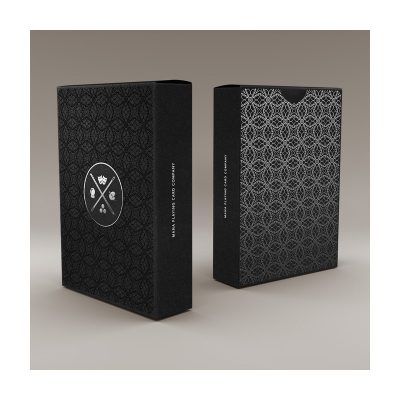
- New
Buskers Exclusive Edition by Erik Mana
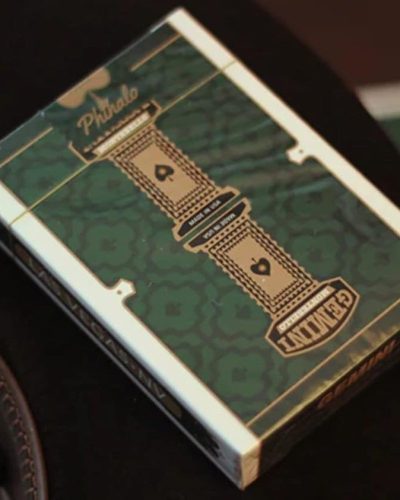
Gemini Casino Phthalo Green – Playing Cards
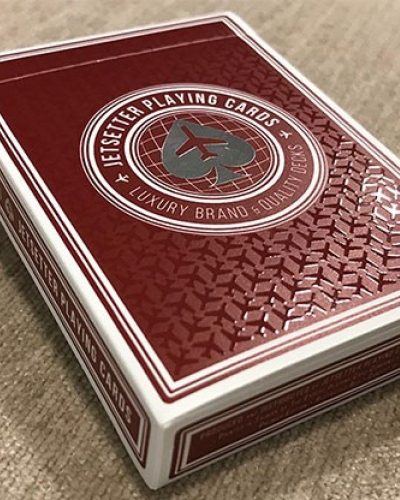
Premier Edition Restricted Red – Playing Cards
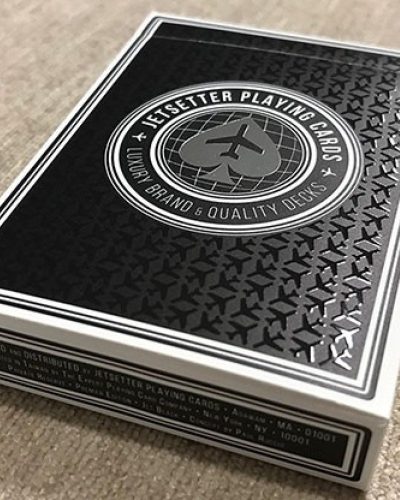
Premier Edition Jet Black Private Reserve – Playing Cards
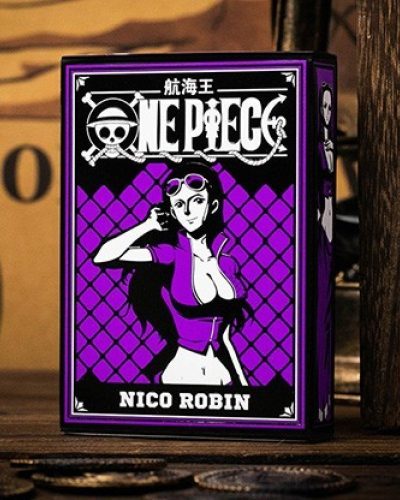
Card Mafia One Piece Robin – Playing Cards
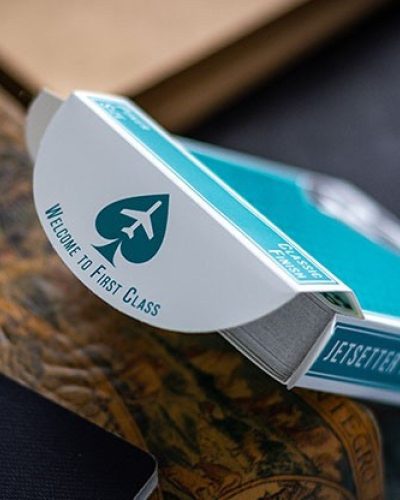
Lounge Edition Terminal Turquoise – Playing Cards
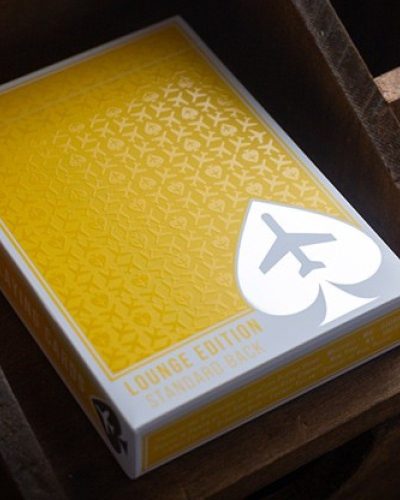
Lounge Edition Taxiway Yellow – Playing Cards
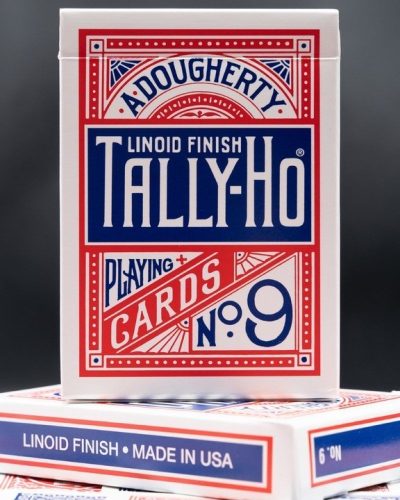
Tally-Ho Gaff – Playing Cards
Contact our team for any clarification about this document. Contact us